The plan1811
Thirteen miles long, twelve avenues wide
An island between two rivers
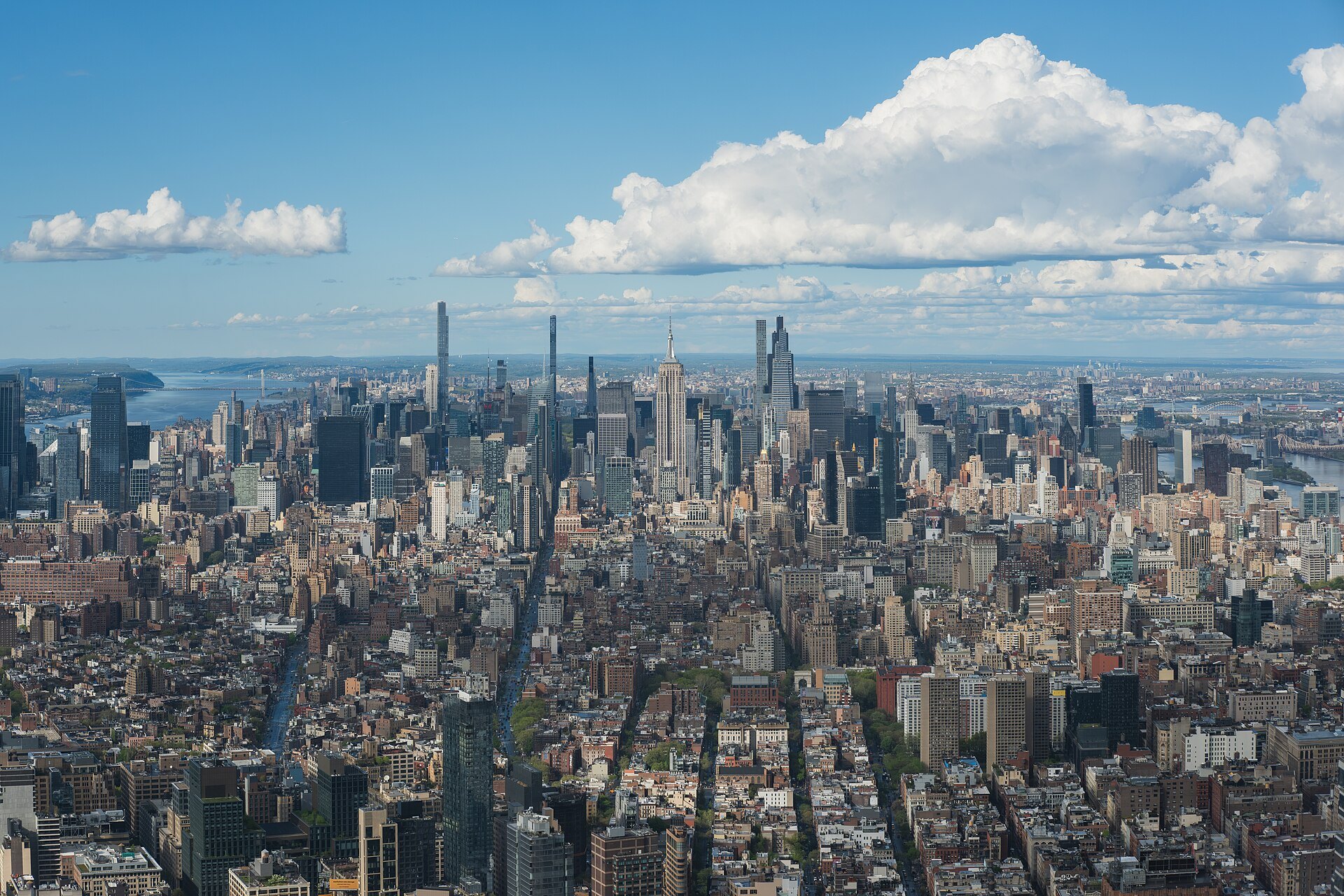
Manhattan is the smallest of New York City's five boroughs and the most densely populated: about 1.7 million people on some 23 square miles. The island runs about 13.4 miles from north to south and is 2.3 miles across at its widest, between the Hudson River and the East River. North of Houston Street almost all of it is laid out on the grid of 1811, which is why the grid gets a page of its own. Two of the city's airports are in Queens and the third is in New Jersey (getting here); on the island you get around on foot and by a subway that runs all day and all night. It is a borough of neighborhoods, which is most of where to stay.
Lenape land, a Dutch post, a plan
Before Europeans came the island was part of Lenapehoking, the land of the Lenape; its name most likely comes from their word for a place to gather wood for bows. A Dutch trading settlement began in 1624, and from 1625 Fort Amsterdam rose at the southern tip, the start of New Amsterdam. In 1811 the Commissioners' Plan drew the streets and avenues all the way north to 155th Street, and it took about sixty years to build them out. Manhattan became one of the five boroughs in 1898. Begin with the sights; the other boroughs are for day trips, and the towers have decks at the top from which you see all five (the views).
The weather, the table and the tickets
Summers are long, hot and humid and winters moderately cold, with snow on occasion (when to come). The ferry to the Statue's pedestal and crown, the observation decks and Broadway are the things to book (booking ahead). The island has its own food, from the bagel to pastrami on rye (eating and drinking), and an itinerary for every length of stay.
- The Statue of Liberty and Ellis Island
- Wall Street and Trinity Church
- The 9/11 Memorial and One World Trade Center
- The Brooklyn Bridge
- Chinatown and the Lower East Side
- Washington Square and Greenwich Village
- The High Line
- The Flatiron Building and Madison Square
- The Empire State Building
- Grand Central Terminal
- The Chrysler Building
- The New York Public Library and Bryant Park
- Times Square
- Rockefeller Center and St. Patrick's Cathedral
- Central Park
- The Metropolitan Museum of Art
- The Guggenheim
- The Cloisters
Along the street42
A walk through the city
West along 42nd Street from Lexington Avenue, then north up Fifth Avenue to the park: six stops, seventeen blocks uptown, and the whole of Midtown on one straight line and one right angle.
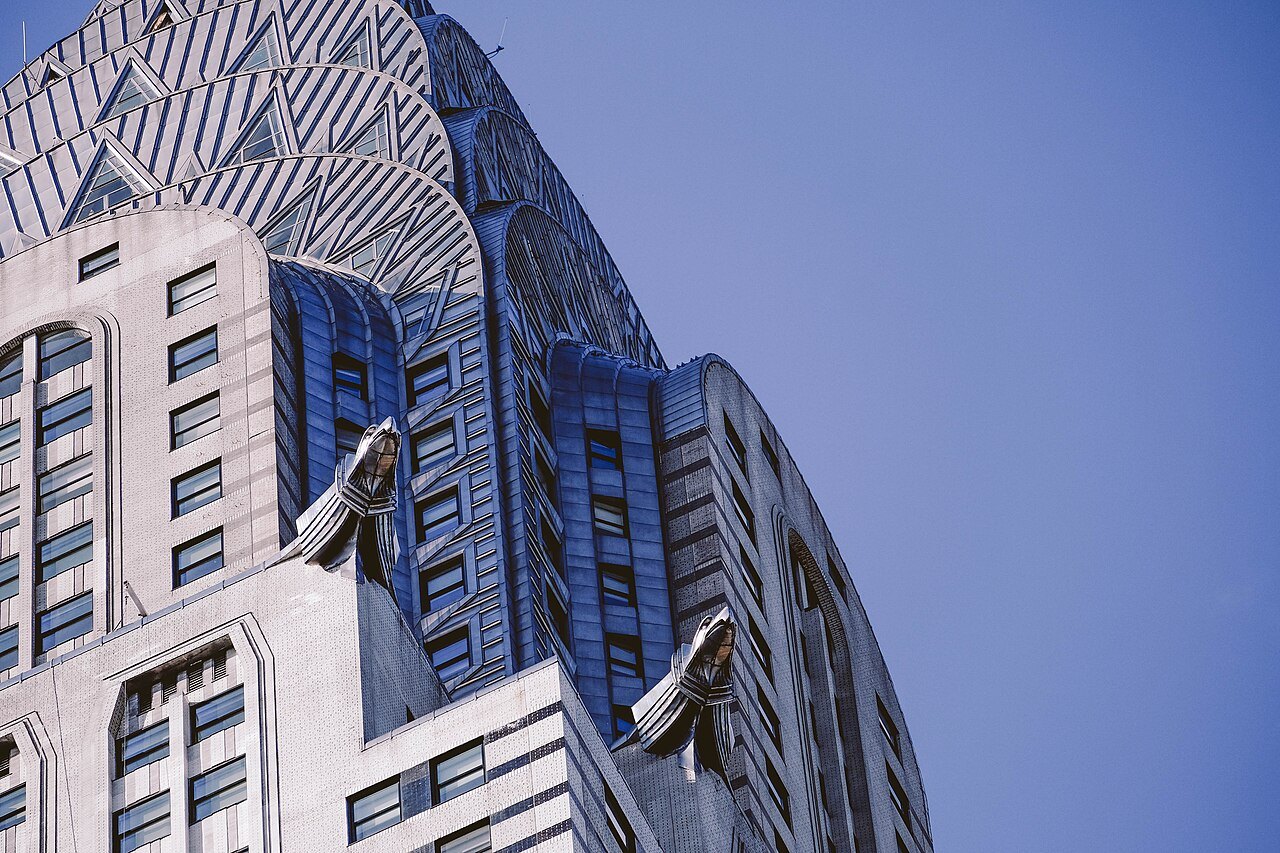
The steel eagle heads leaning out from the Chrysler Building's upper cornersWilliam Wachter waktr, Wikimedia Commons, CC0 Lexington · 42 StThe steel crown at Lexington Avenue
Start at 42nd Street and Lexington Avenue, under the Chrysler Building: 1,046 feet of Art Deco steel and brick, the world's first supertall skyscraper and the tallest building in the world for eleven months after it was finished in 1930.
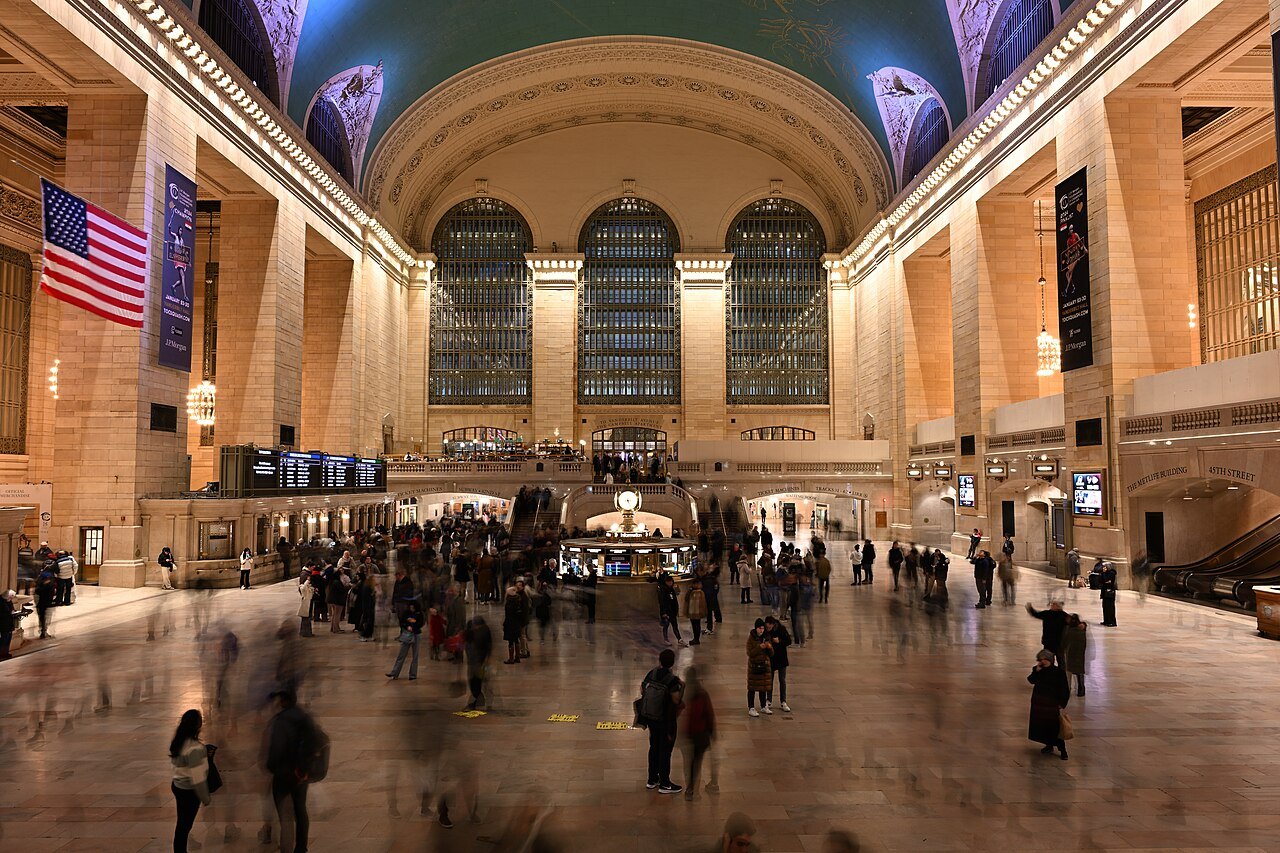
The Main Concourse of Grand Central Terminal, looking west4300streetcar, Wikimedia Commons, CC BY 4.0 Park · 42 StThe terminal on Park Avenue
A block west, Grand Central Terminal straddles Park Avenue. It opened in 1913, and its Main Concourse is 275 feet long, 120 feet wide and 125 feet high. It is still a railroad terminal, and one of the most visited places in the world.
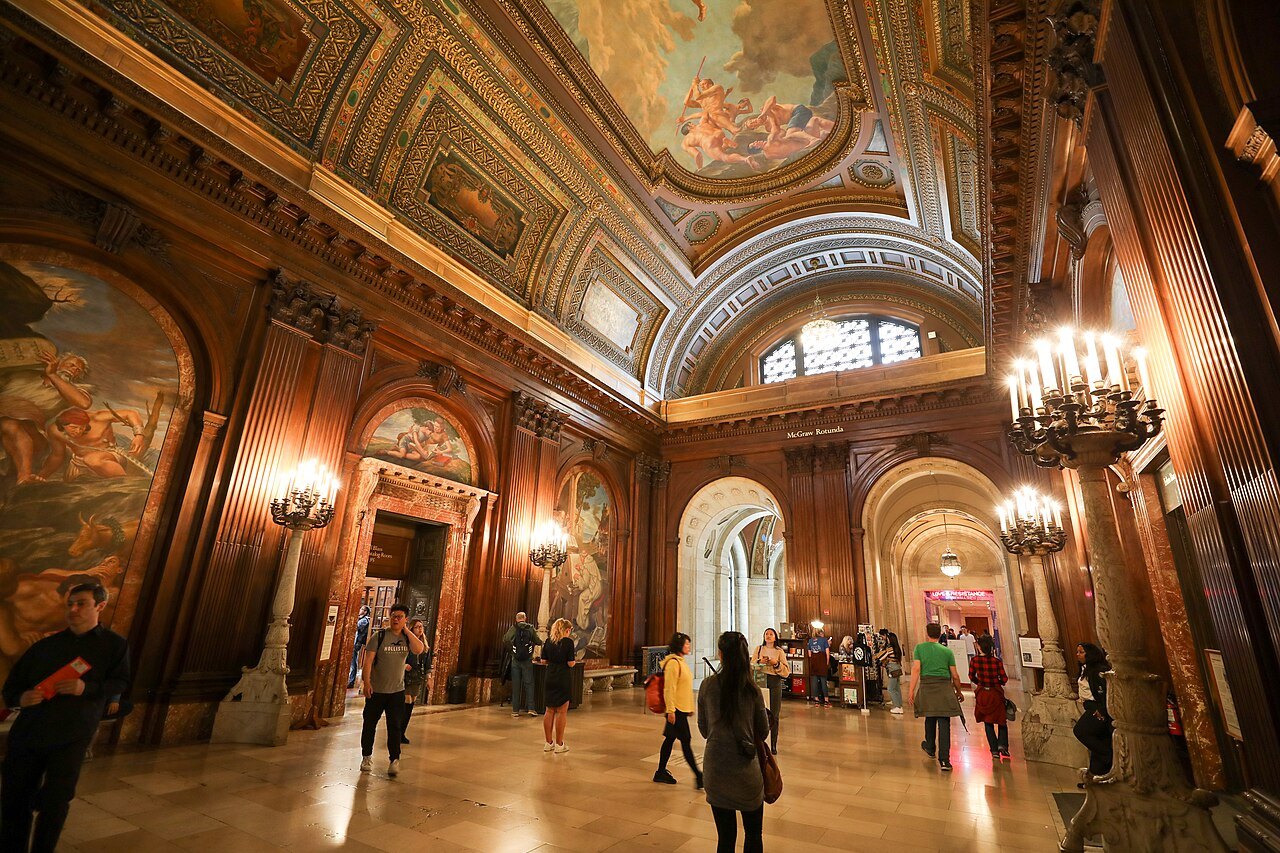
The McGraw Rotunda inside the library on Fifth Avenuebryansjs, Wikimedia Commons, CC BY-SA 2.0 Fifth · 42 StThe lions on Fifth Avenue
Two blocks on, at Fifth Avenue, the New York Public Library opened in 1911 behind a pair of stone lions. Behind it lies Bryant Park, on the site of the old Croton Reservoir.
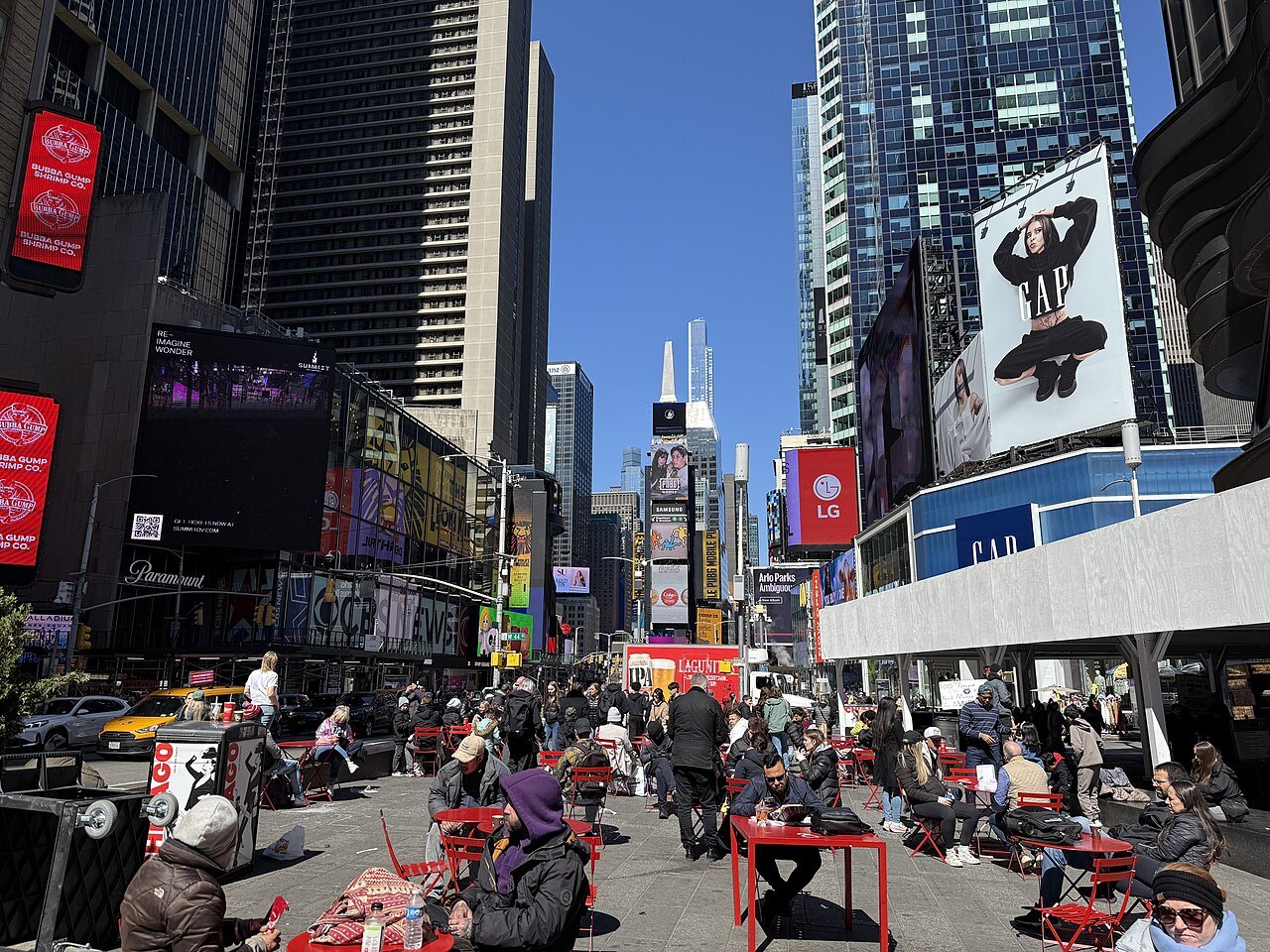
Times Square looking north, crowds on the red chairs of the plazaDough4872, Wikimedia Commons, CC BY-SA 4.0 Seventh · 45 StThe bowtie at Broadway
Keep west to where Broadway cuts across Seventh Avenue: Times Square, a bowtie of plazas five blocks long between 42nd and 47th Streets, named in 1904 for The New York Times and constantly lit. Broadway was a road before the grid, which is why it runs across it on a diagonal.
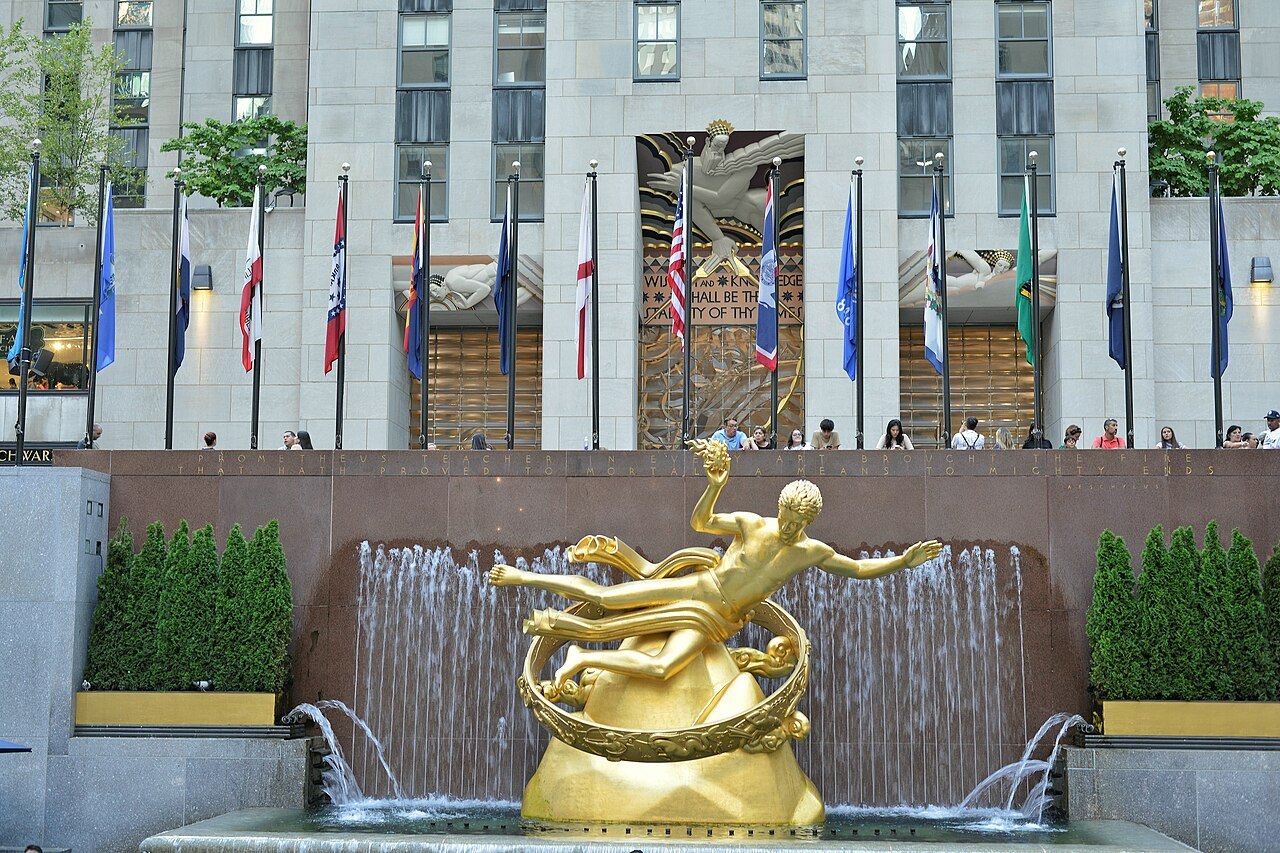
Prometheus above the sunken plaza at Rockefeller CenterAlberto-g-rovi, Wikimedia Commons, CC BY 3.0 Fifth · 50 StThe plaza between Fifth and Sixth
Walk east along the forties to Rockefeller Center, fourteen Art Deco buildings from the 1930s around a sunken plaza. Across Fifth Avenue stands St. Patrick's Cathedral, dedicated in 1879.
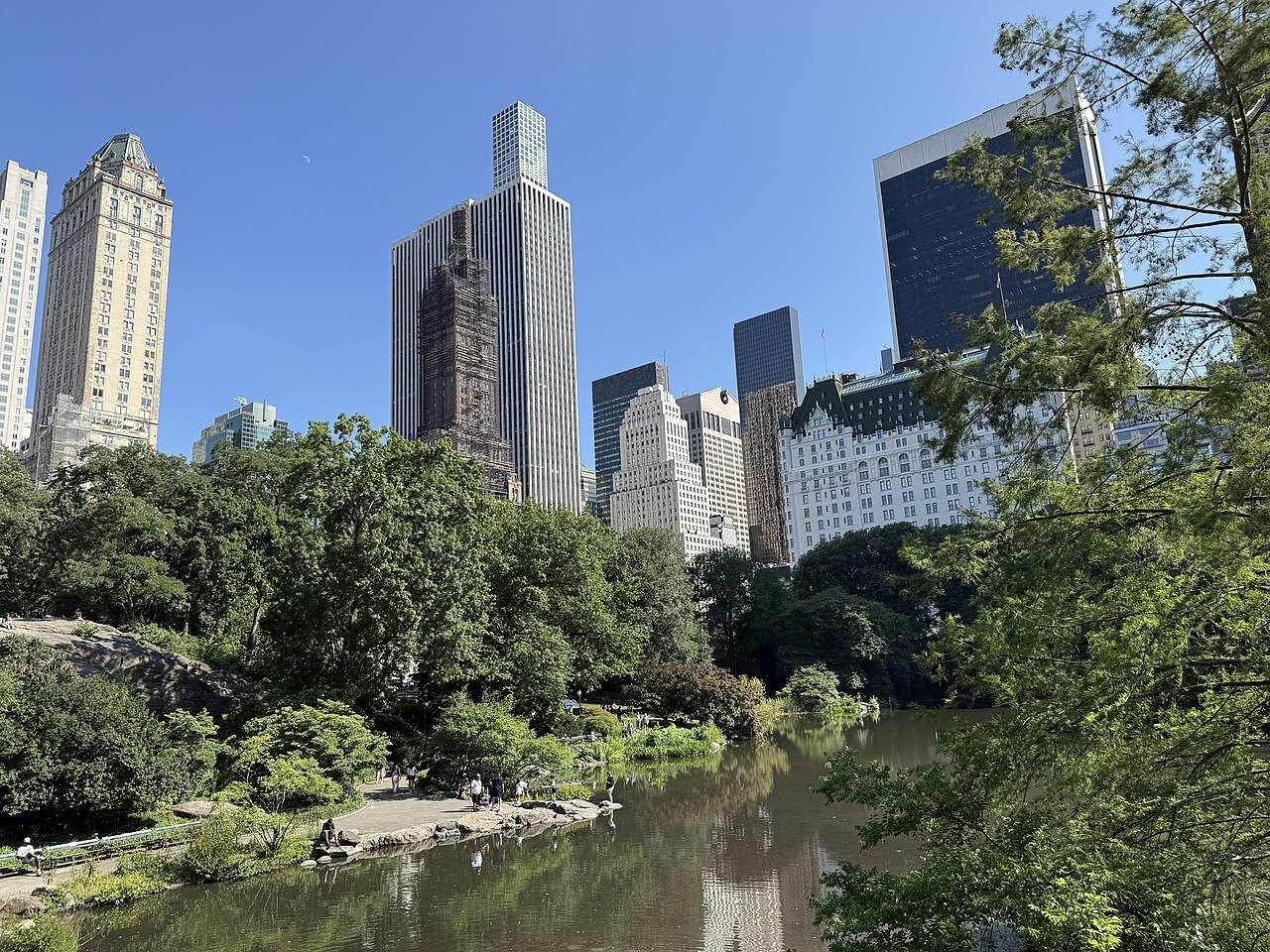
Central Park from Gapstow Bridge, looking south to the towers on 59th StreetDough4872, Wikimedia Commons, CC BY-SA 4.0 Fifth · 59 StThe corner of the park at 59th Street
Finish nine blocks north, at Grand Army Plaza, where Fifth Avenue meets 59th Street and the southeast corner of Central Park: 843 acres that run two and a half miles north to 110th Street.
Before you go3
Three things to know first
- ArrivingThree airports, two states.Kennedy and LaGuardia are in Queens and Newark is in New Jersey; Kennedy lies about sixteen miles southeast of Midtown. By train you arrive at Penn Station or Grand Central.Getting here →
- The streetsAvenues up, streets across.The avenues run the length of the island and the numbered streets cross it; about twenty blocks make a mile. The subway runs every day of the year and through the night.Getting around →
- The calendarA hot summer, a cold winter.Summers are long, hot and humid, with thunderstorms late in the day; winters are moderately cold, with snow on occasion. Around May 28 and July 13 the setting sun lines up with the cross streets.When to come →
United States · New YorkAbout 1.7 million peopleEnglishUS dollarDutch trading post 1624A borough of New York City since 1898
Eleven parts and a journal12
The parts of this guide
 Eighteen places, one page eachThe SightsFrom the harbor to Fort Tryon Park: what each one is, what you see there, and where it stands on the grid.
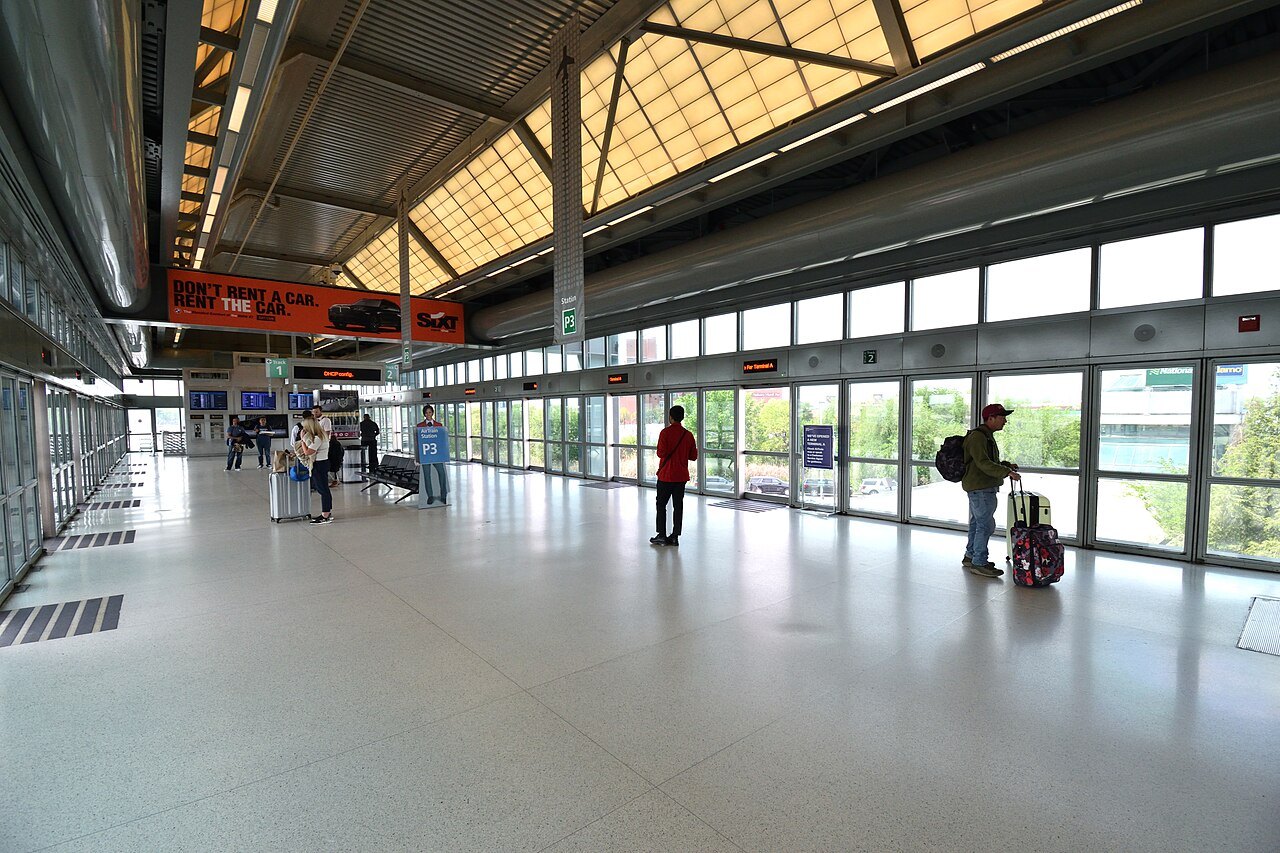 Three airports and two great stationsGetting HereTwo airports in Queens and one in New Jersey, Penn Station and Grand Central, and the bus terminal on Eighth Avenue — which to use, and how each reaches the island.
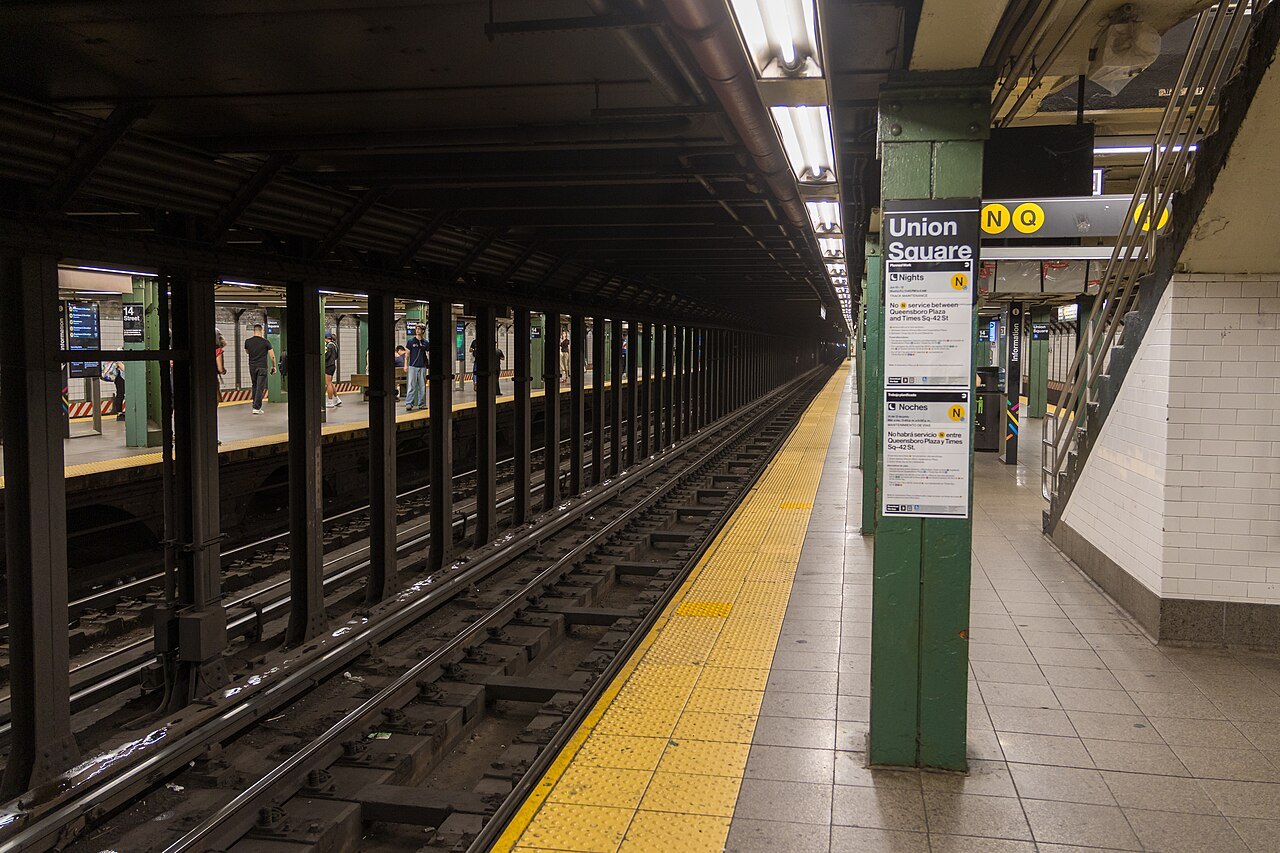 The subway, the ferry, the tram and your feetGetting AroundHow the subway works and never stops, the free ferry across the harbor, the aerial tram to Roosevelt Island, bikes and taxis, and why walking is the fastest way to see it.
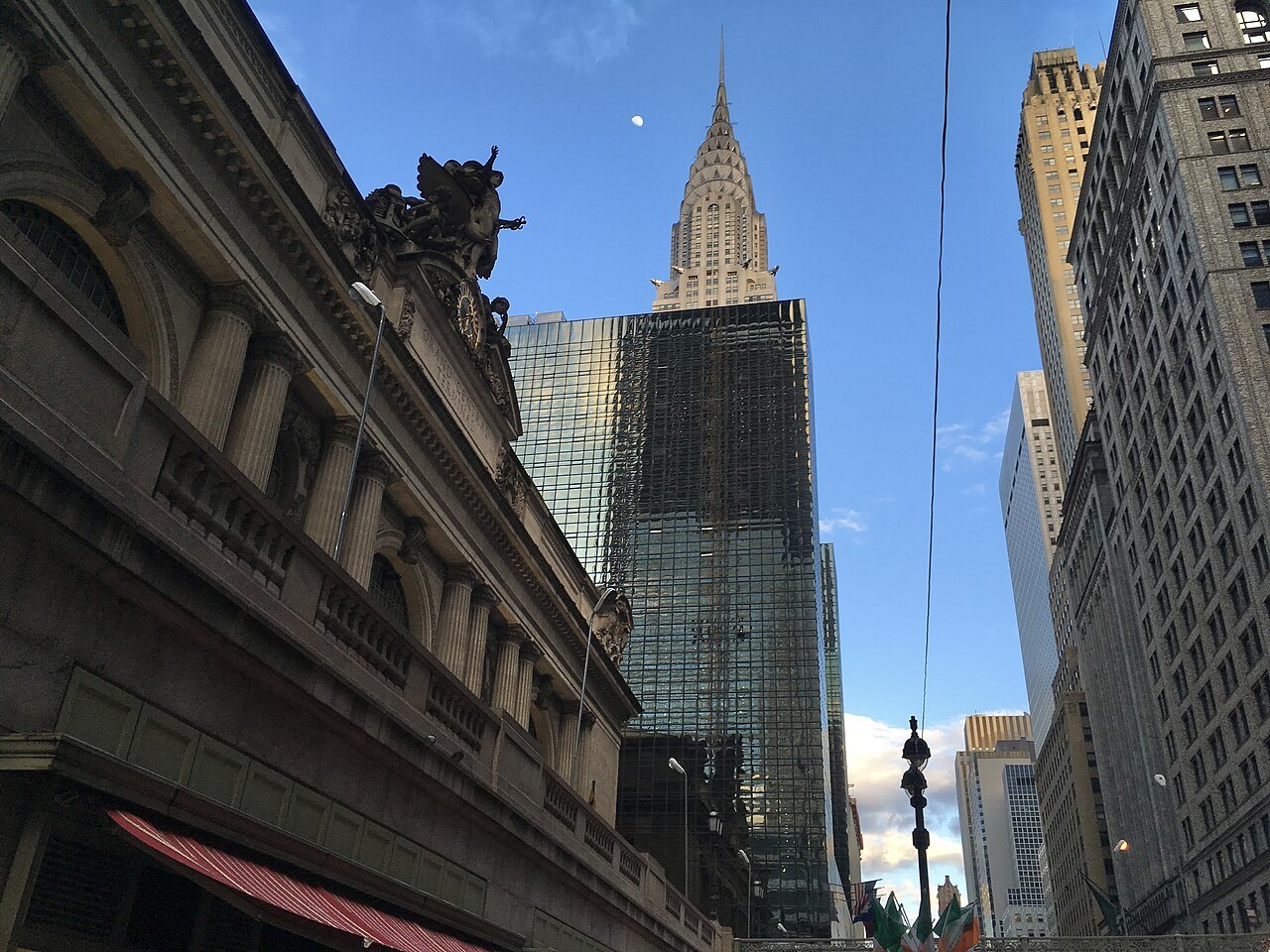 How to read an addressThe GridAvenues run north, streets run across, twenty blocks make a mile, and Broadway ignores all of it — the 1811 plan, and how to find anything on it.
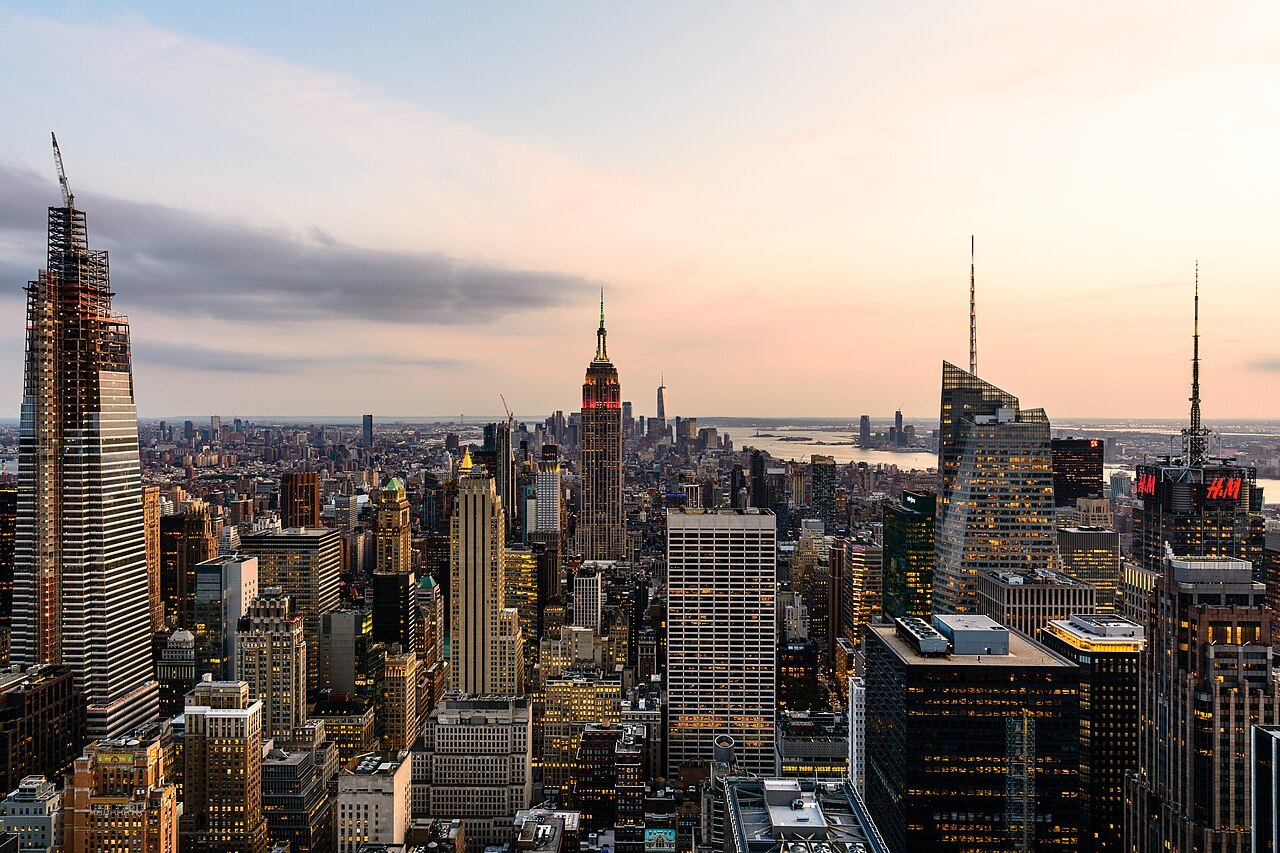 Five ways to the topThe ViewsThe Empire State Building, the Top of the Rock, One World Observatory and the newer decks — what each one looks at, and which to choose.
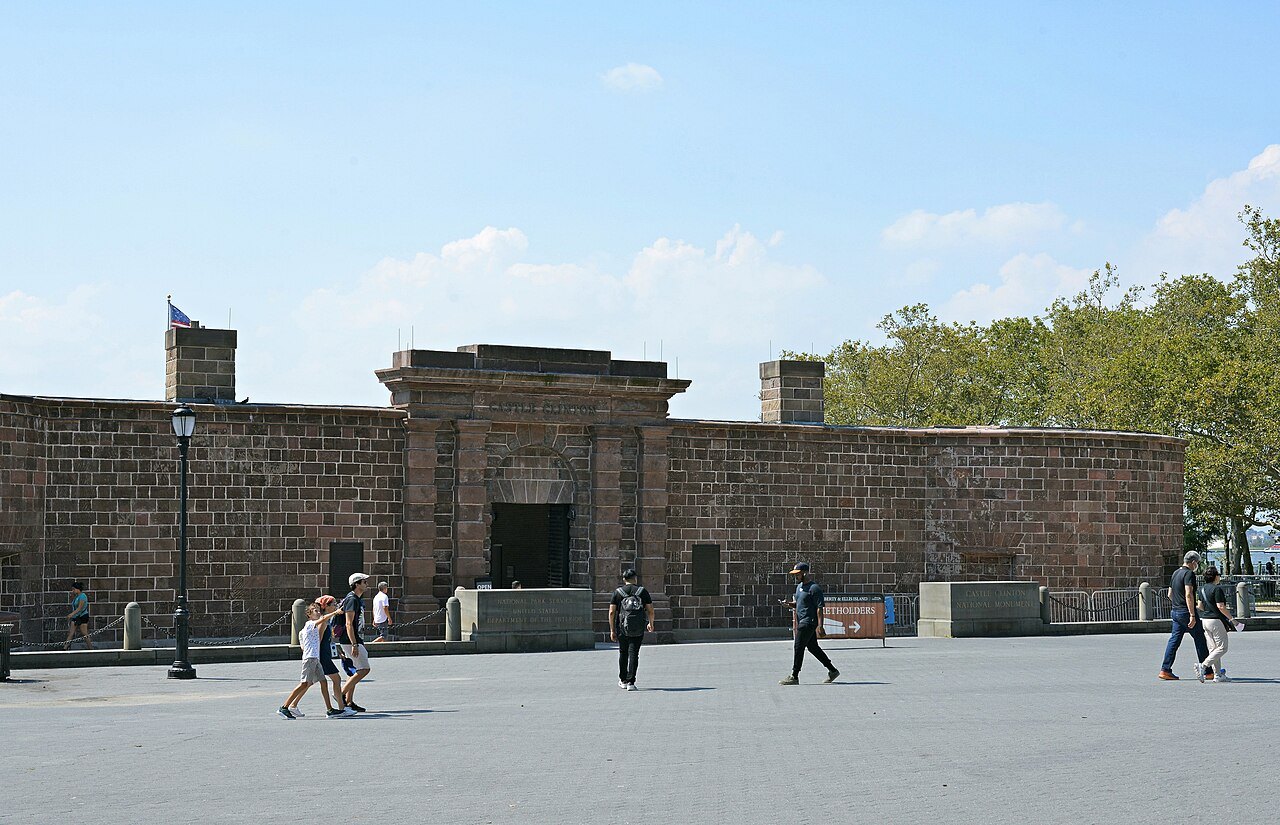 The crown, the pedestal and the curtainBooking AheadWhat sells out: the Statue's pedestal and crown, timed observation decks, Broadway and the Met Opera — and what never needs a ticket.
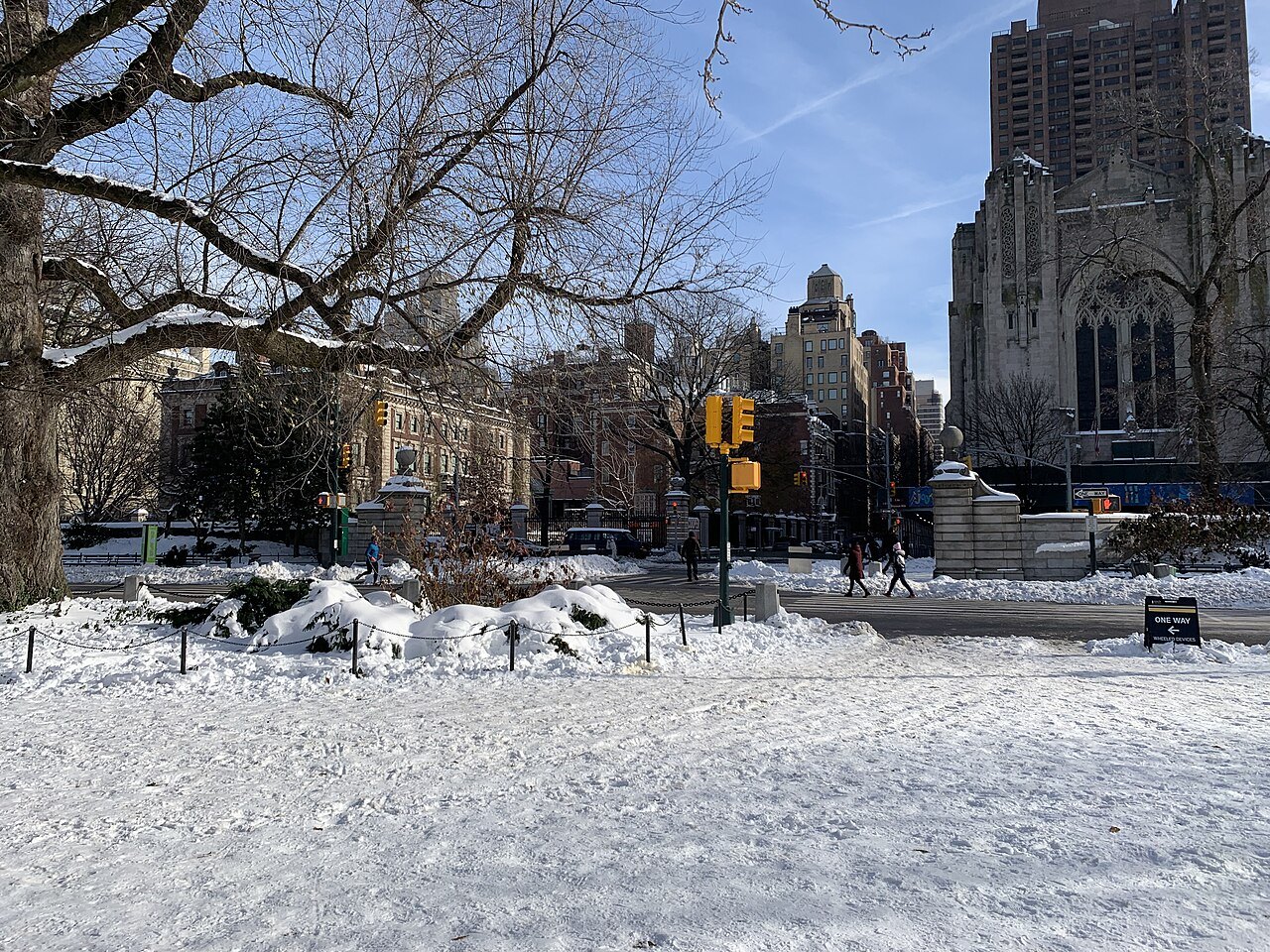 Hot summers, cold winters, two short seasonsWhen to ComeA humid summer, a cold and sometimes snowy winter, and the spring and fall between them; the two evenings when the sun sets straight down the cross streets.
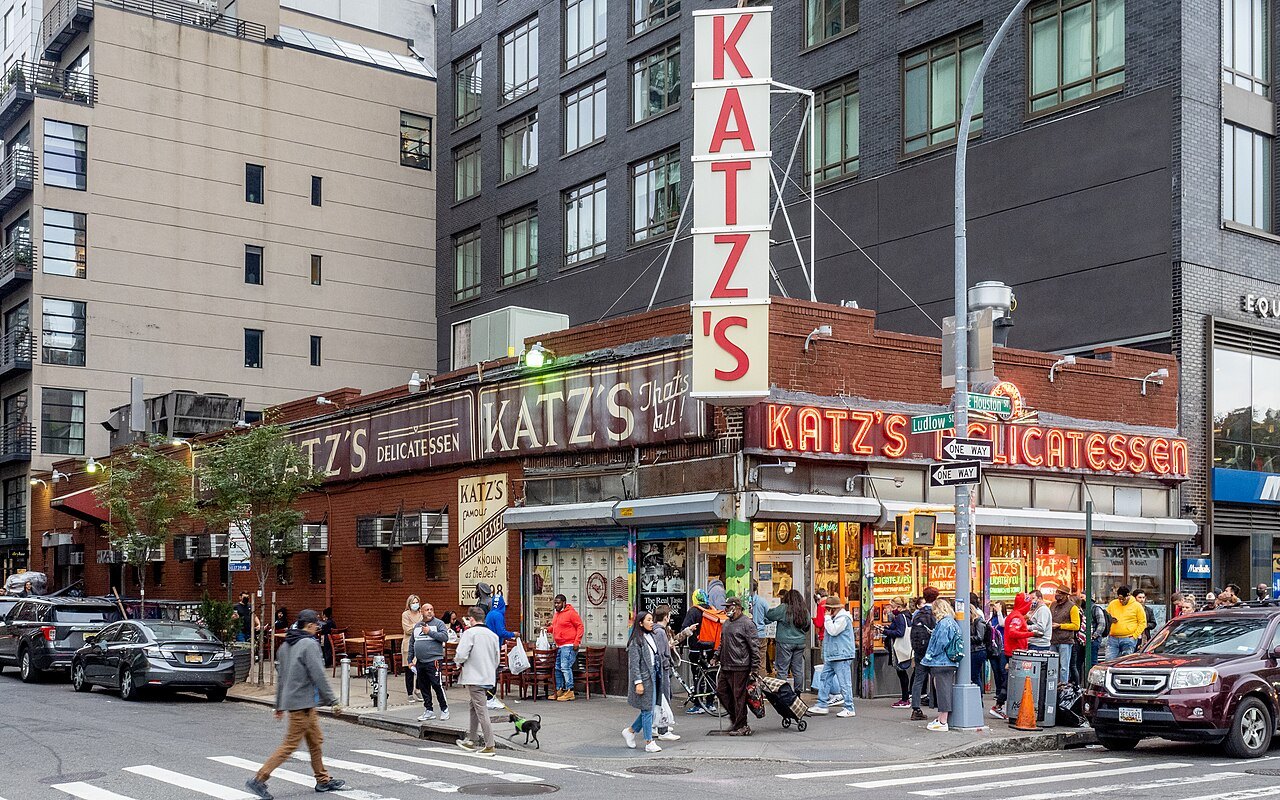 What the island put on the tableEating & DrinkingThe bagel, the slice, pastrami on rye, the cheesecake and the street cart — where each came from and where it is still eaten.
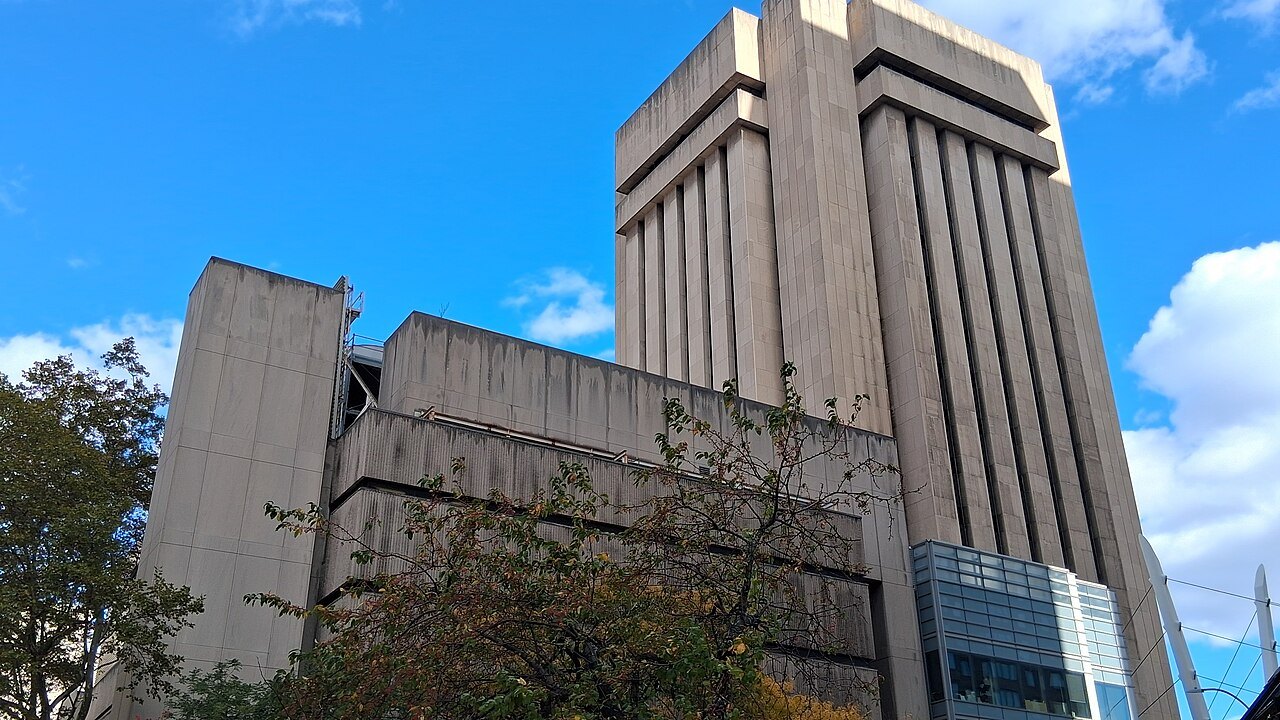 A borough of neighborhoodsWhere to StayMidtown, the Upper West and Upper East Sides, the Village, SoHo, the Lower East Side and Harlem — each for a night or a week, drawn on a map.
 One day, three, fiveItinerariesRoutes by the length of your stay, built around the ferry to the Statue, the museums' closing days and the walk between them.
 Across the riversDay TripsBrooklyn across the bridge, the beach at Coney Island, the gardens of the Bronx and the Hudson Valley — each a day off the island.
 Questions answered at lengthThe JournalVisitor questions about Manhattan, answered in full, with new pieces as they are written.
From the harbor north18
All eighteen sights
0Below the gridThe old town, where the streets still have names
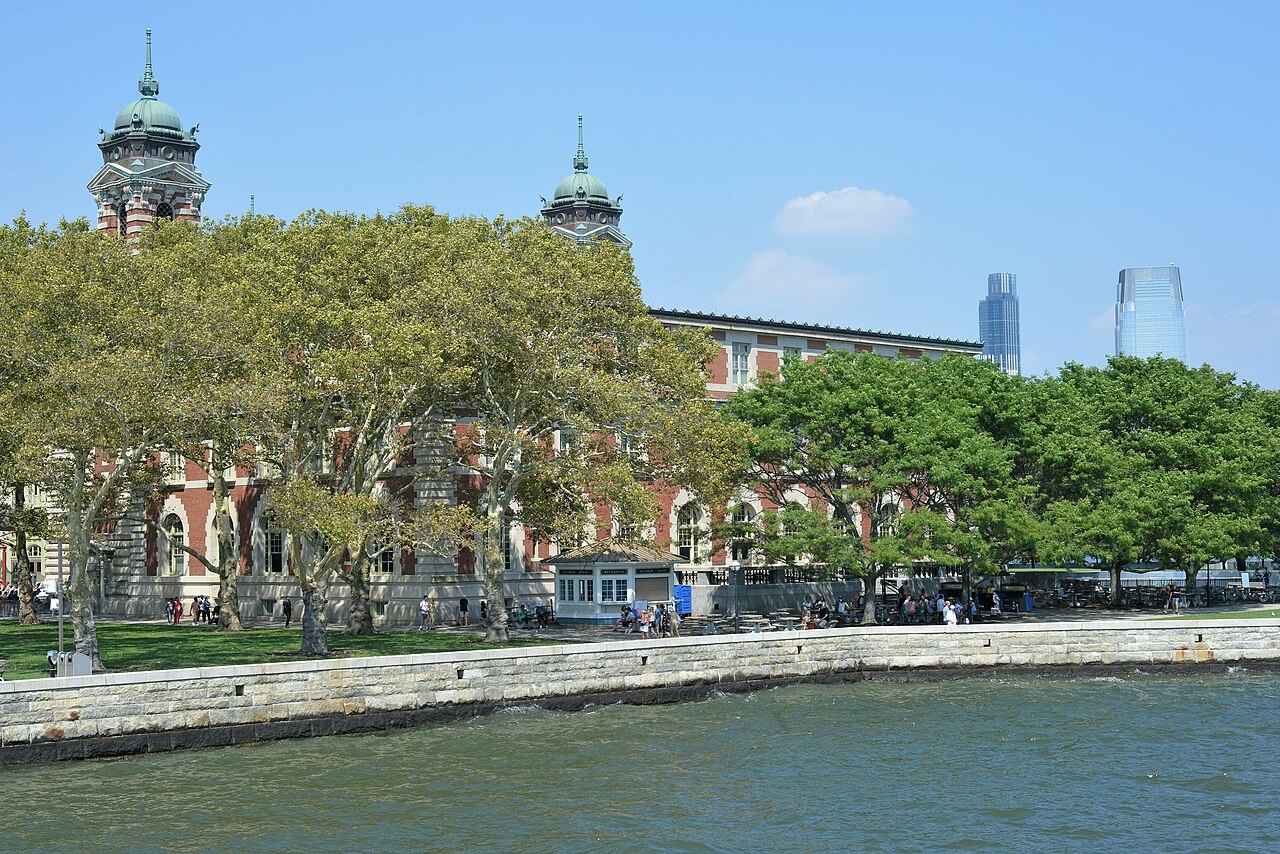 New York Harbor1The Statue of Liberty and Ellis IslandDedicated in 1886 on Liberty Island; Ellis Island processed about 12 million immigrants from 1892 to 1954.
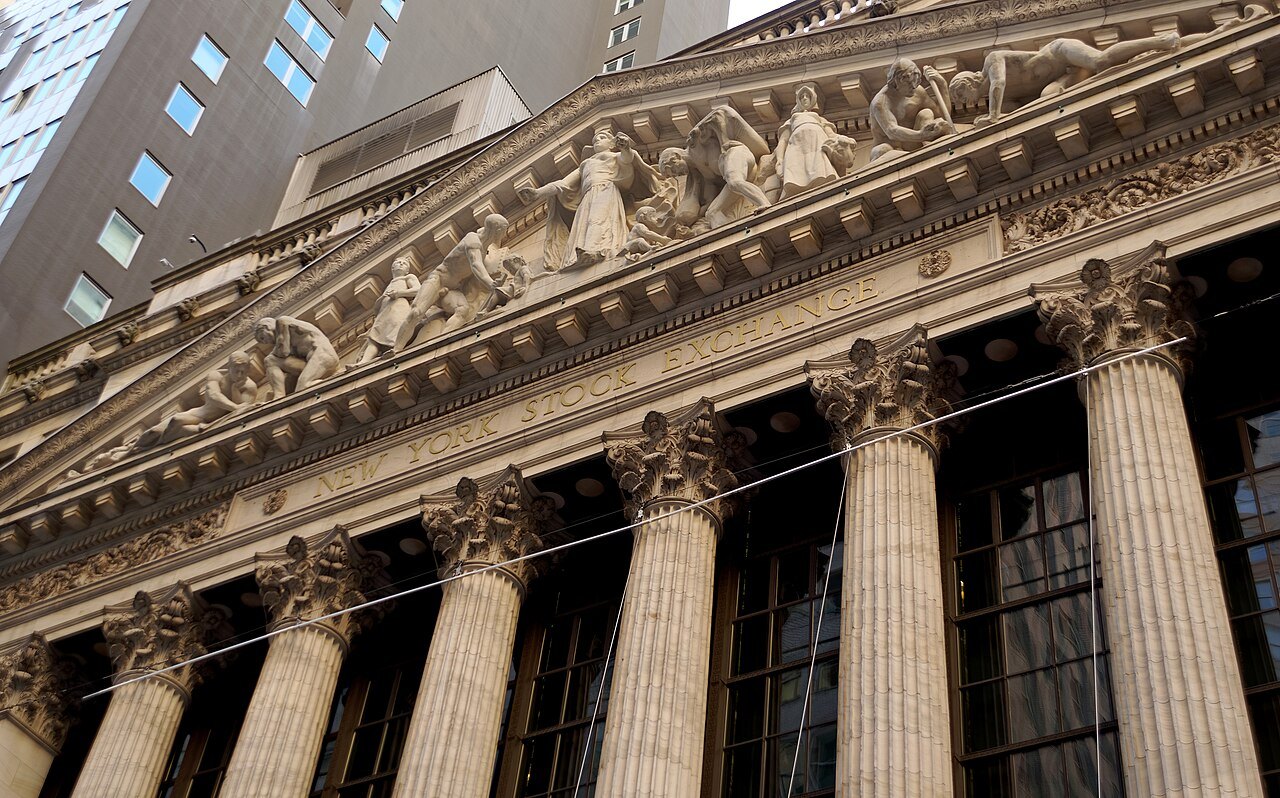 Broadway · Wall St2Wall Street and Trinity ChurchEight blocks from Broadway to the East River, named for a Dutch city wall that stood there from 1653 to 1699.
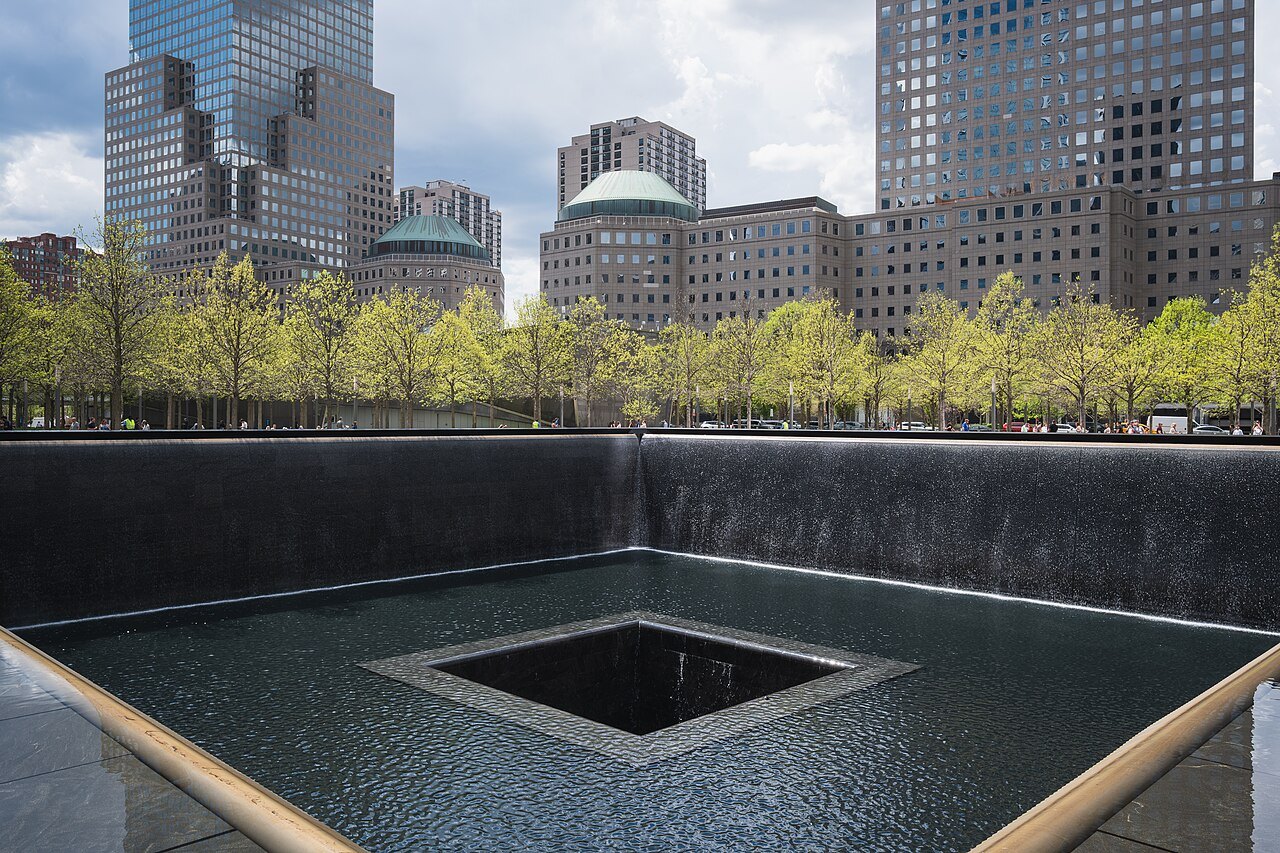 West St · Vesey St3The 9/11 Memorial and One World Trade CenterTwo pools in the footprints of the Twin Towers, beside the tallest building in the Western Hemisphere.
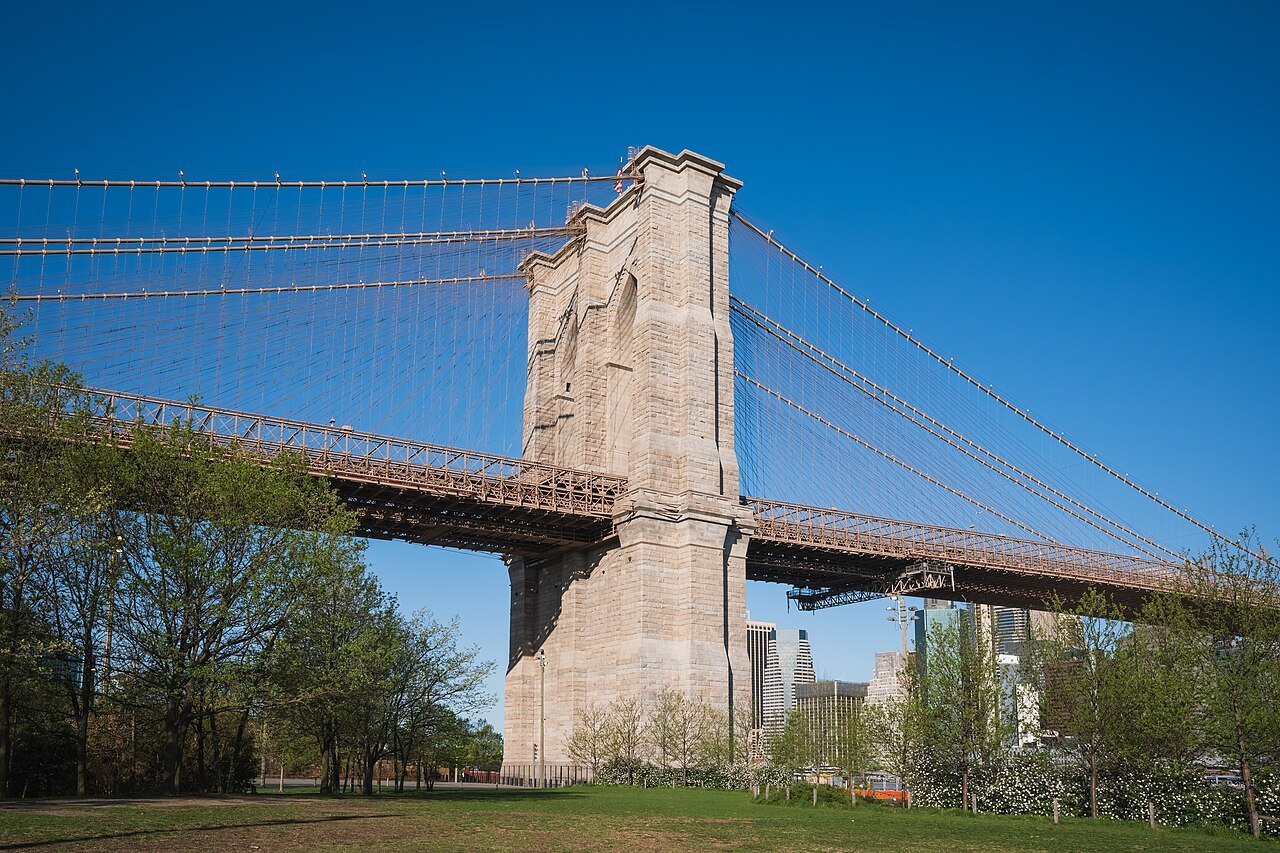
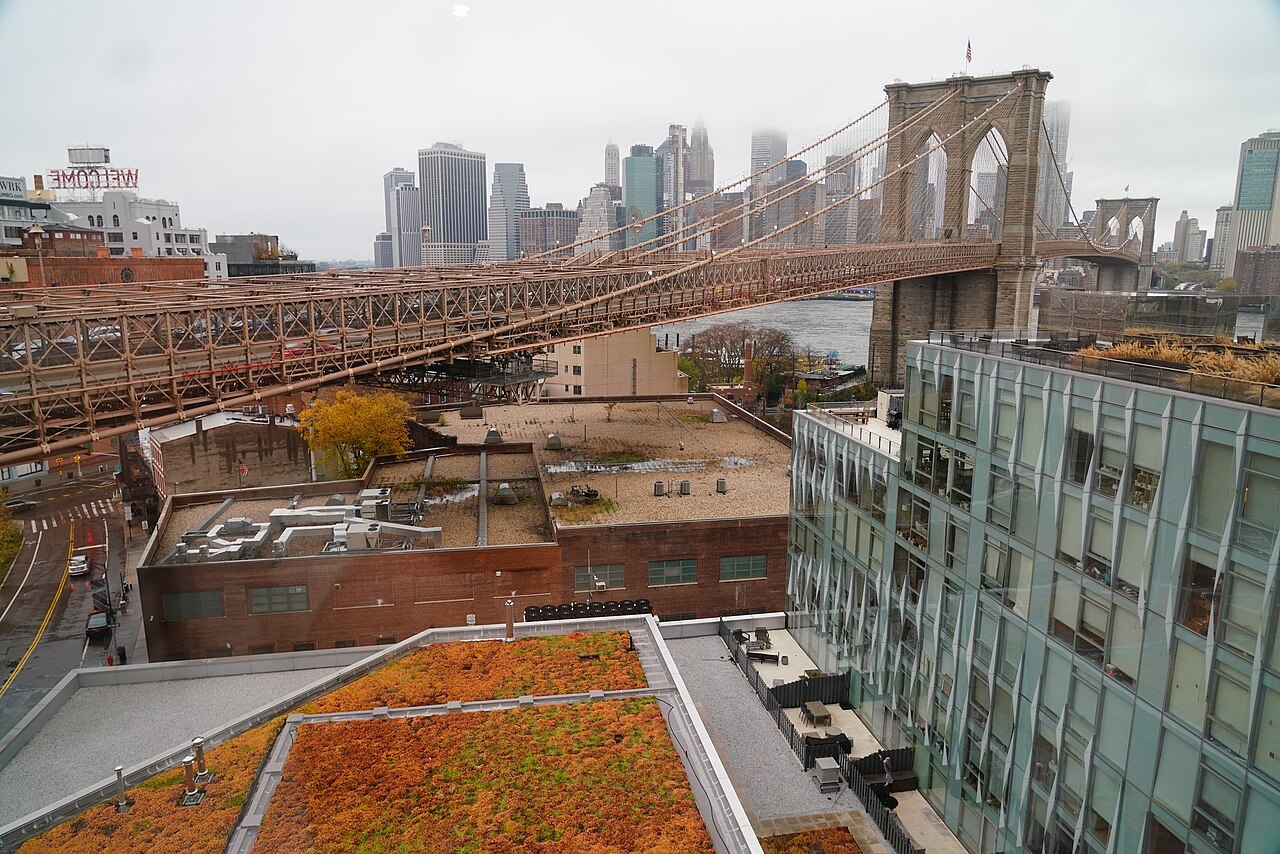 Park Row · City Hall4The Brooklyn BridgeOpened in 1883, the first fixed crossing of the East River, with a footpath raised between the roadways.
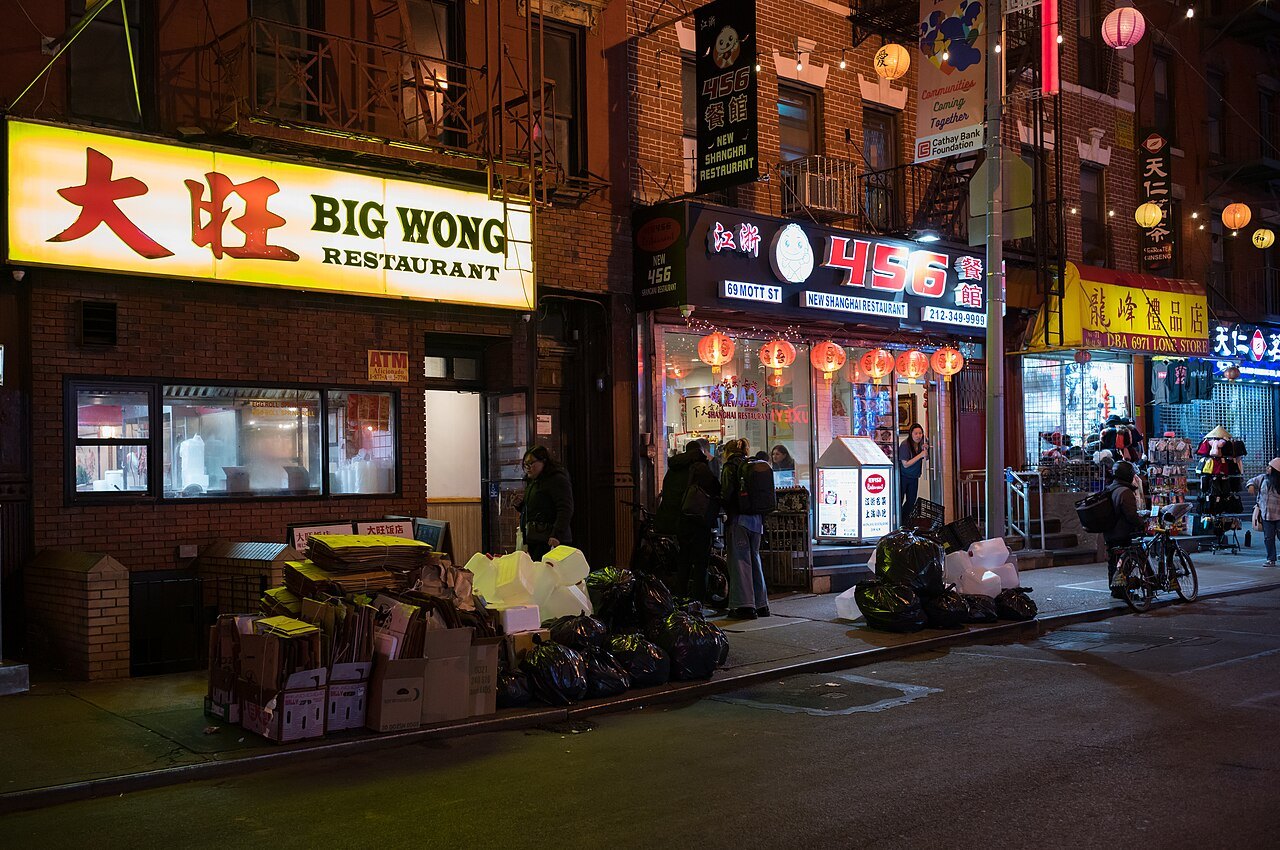 Mott St · Canal St5Chinatown and the Lower East SideThe highest concentration of Chinese people in the Western Hemisphere, beside the tenements of Orchard Street.
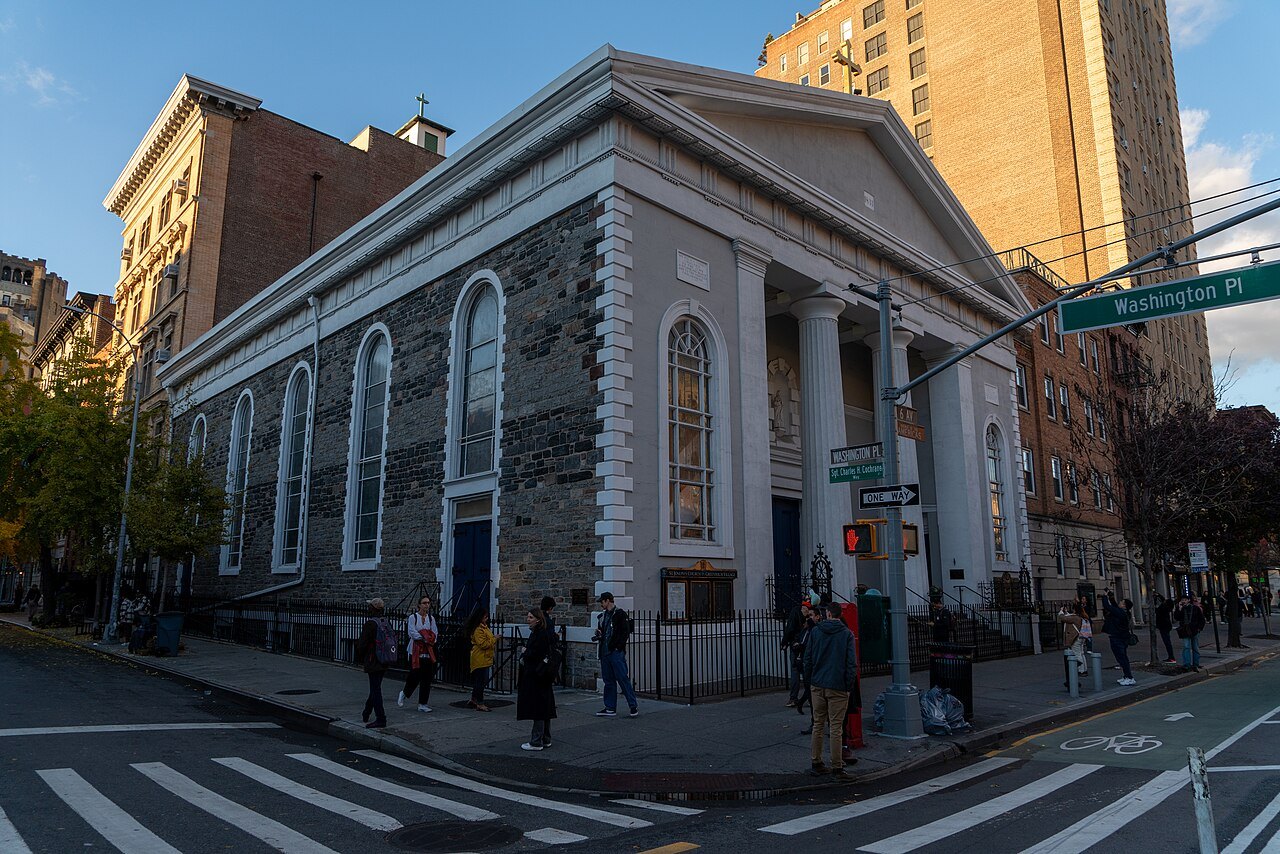 Fifth Ave · Washington Sq6Washington Square and Greenwich VillageA square of nine and three-quarter acres at the foot of Fifth Avenue, in a village older than the grid.
14Where the numbers startFrom 14th to 34th Street
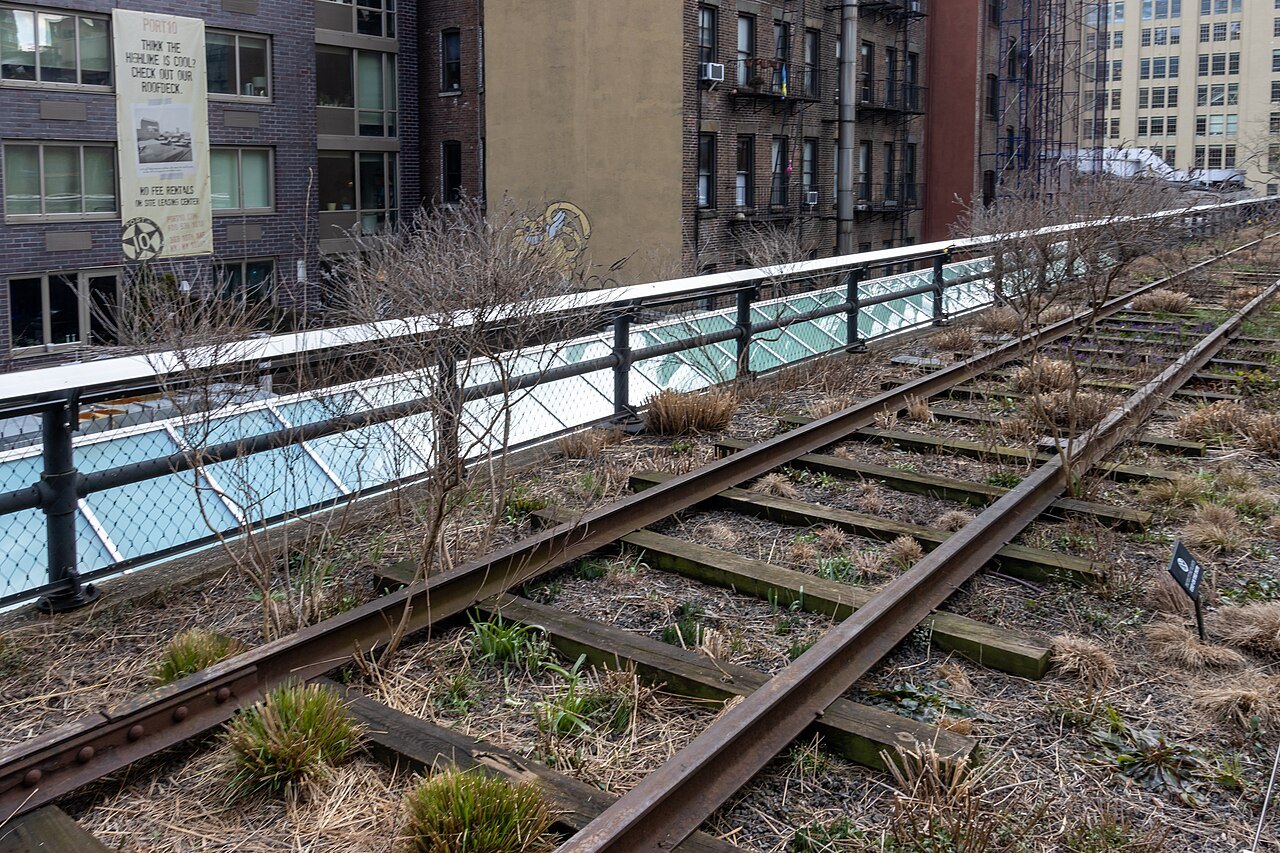 Gansevoort St → W 34 St7The High LineA park nearly a mile and a half long on a freight railroad spur, from Gansevoort Street to 34th Street.
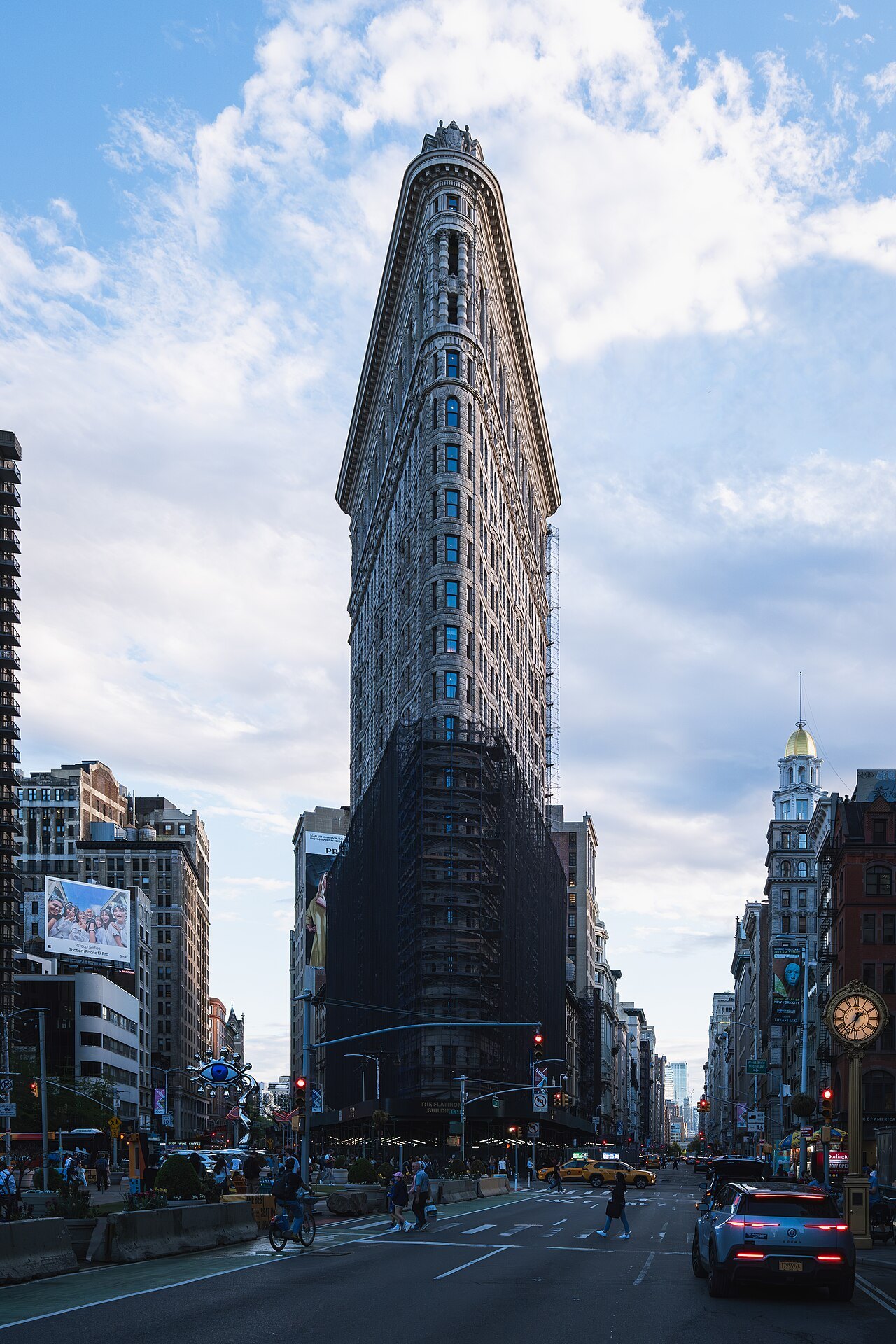 Fifth Ave · Broadway · E 23 St8The Flatiron Building and Madison SquareA 22-story triangle of 1902 on the block where Broadway crosses Fifth Avenue.
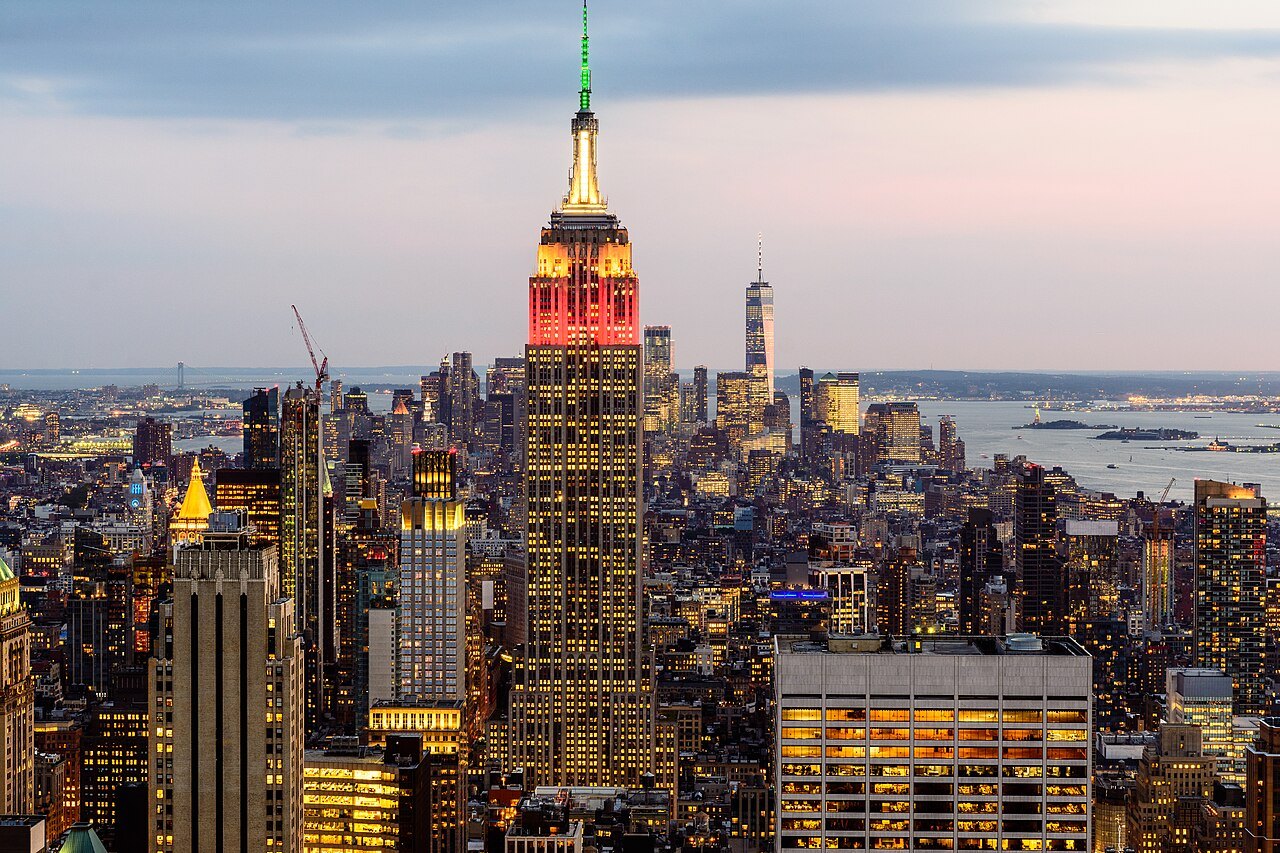 Fifth Ave · W 34 St9The Empire State BuildingBuilt in 1930 and 1931, 1,454 feet tall to the tip of its antenna.
42Forty-second Street and upMidtown, from the terminal to the plaza
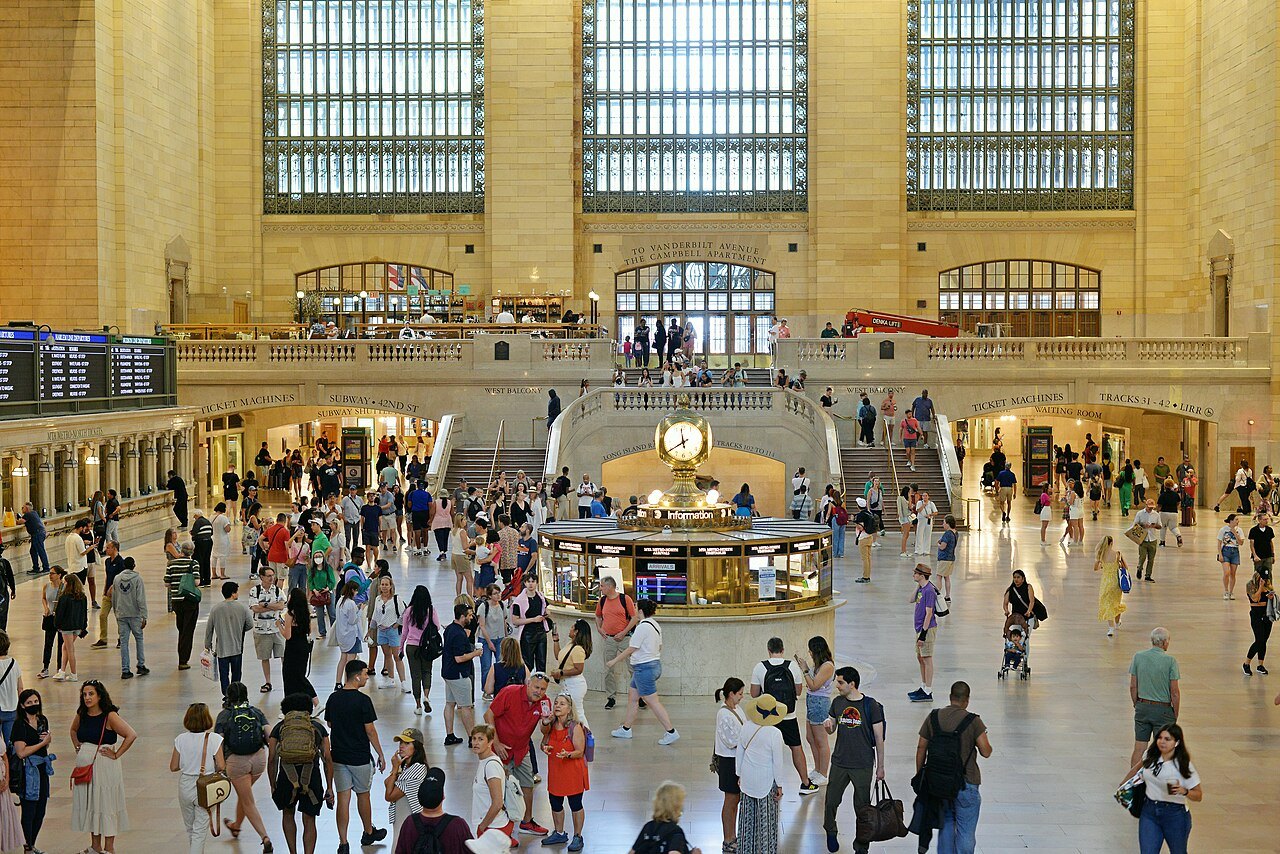 Park Ave · E 42 St10Grand Central TerminalOpened in 1913, its Main Concourse 275 feet long and 125 feet high.
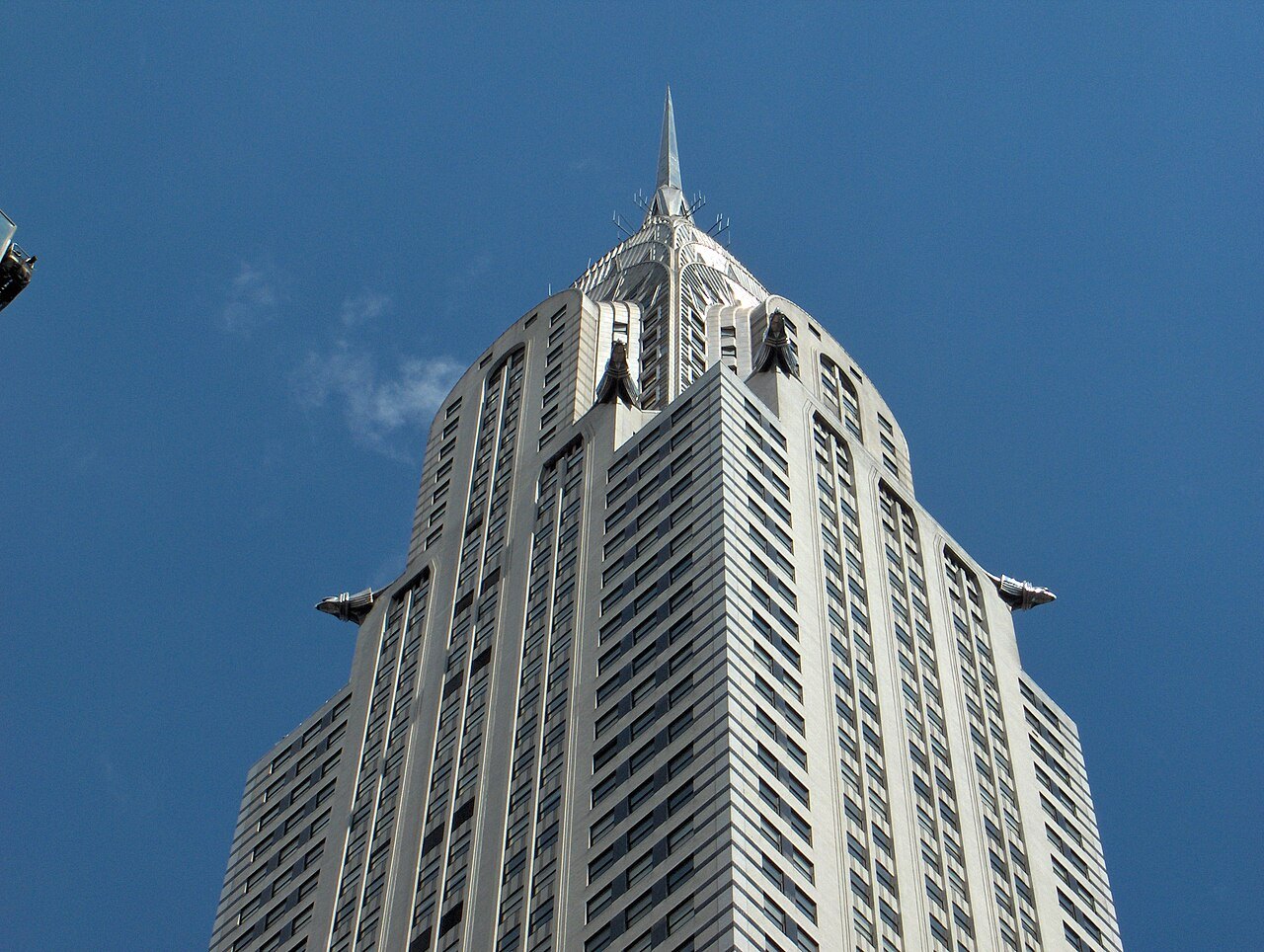 Lexington Ave · E 42 St11The Chrysler Building1,046 feet of Art Deco steel and brick, the world's tallest building for 11 months after 1930.
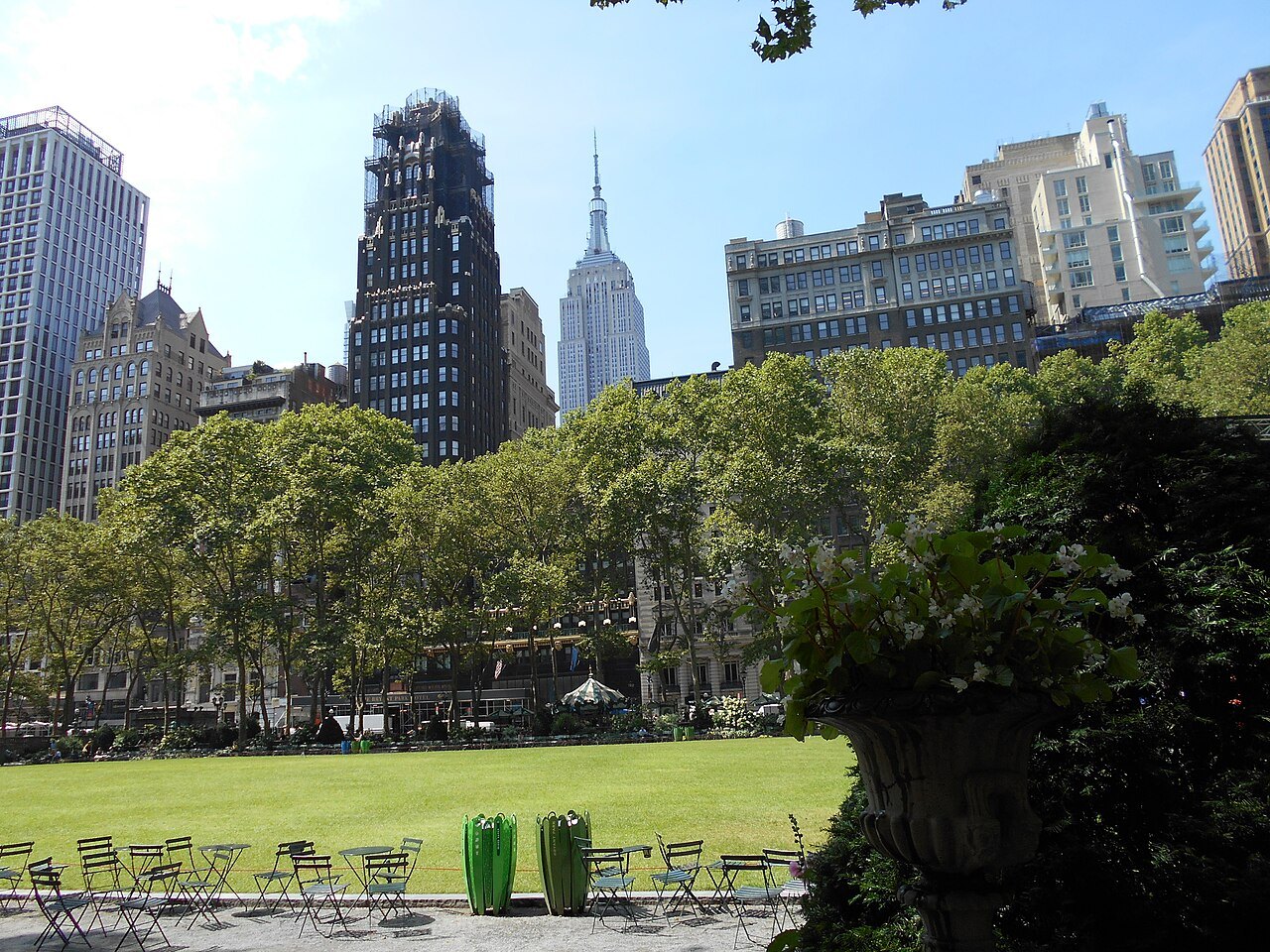 Fifth Ave · E 41 St12The New York Public Library and Bryant ParkA Beaux-Arts library of 1911 guarded by two stone lions, on the site of the Croton Reservoir.
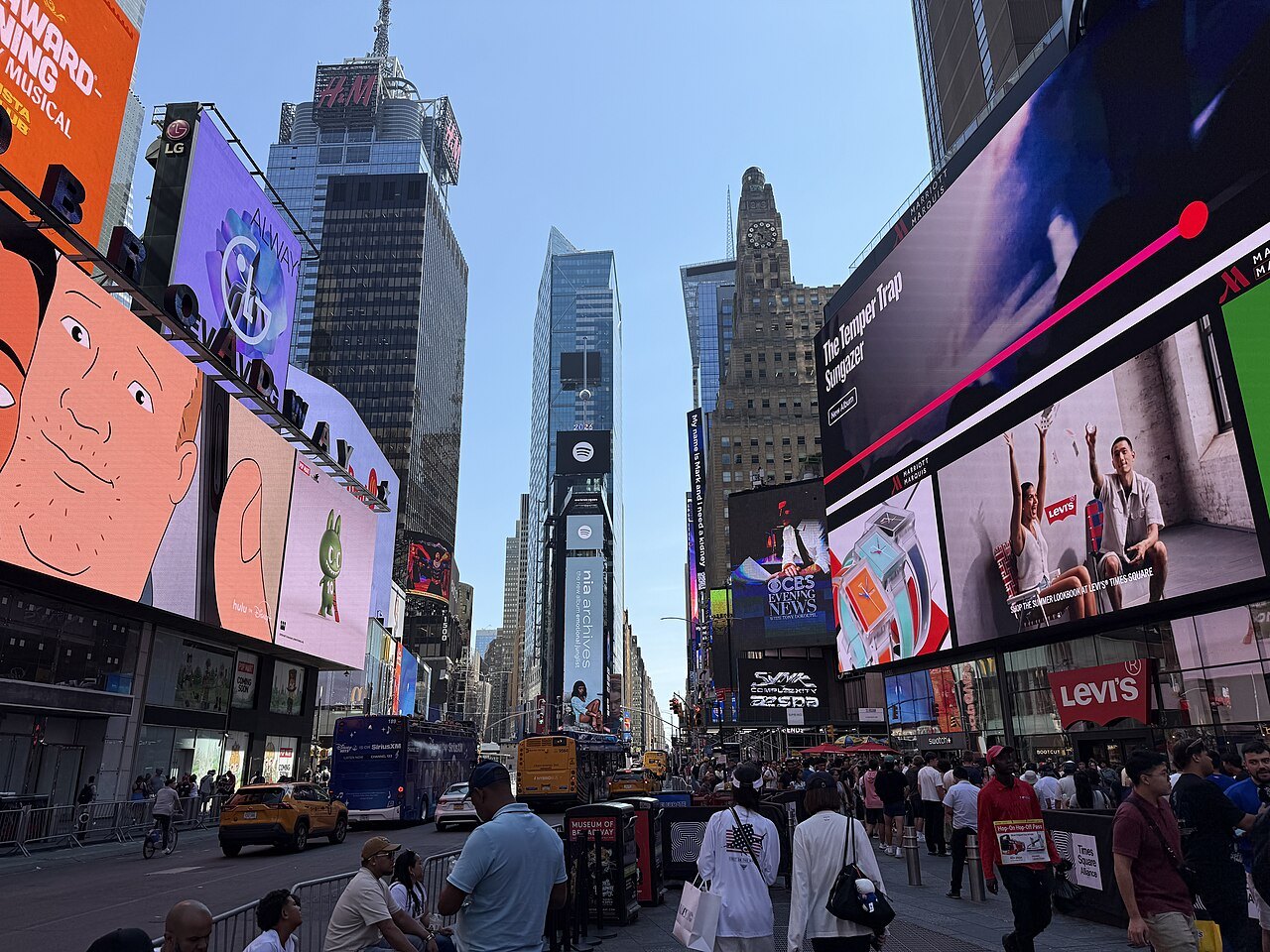 Broadway · Seventh Ave · W 42–47 St13Times SquareA bowtie of plazas five blocks long, renamed in 1904 for The New York Times.
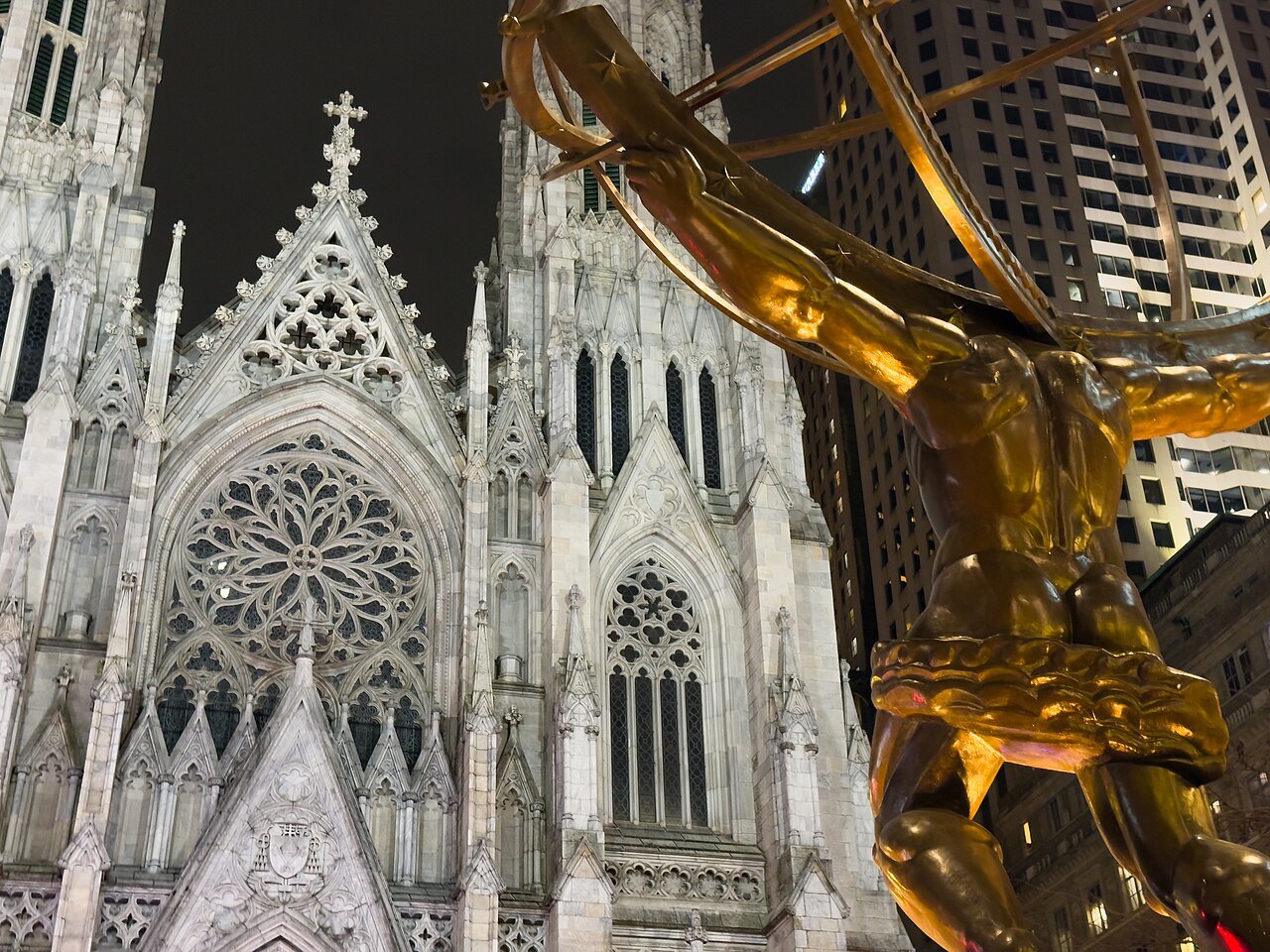 Fifth Ave · W 48–51 St14Rockefeller Center and St. Patrick's CathedralFourteen original Art Deco buildings in a complex of 22 acres, facing a cathedral dedicated in 1879.
59Above 59th StreetThe park, the museums and the north of the island
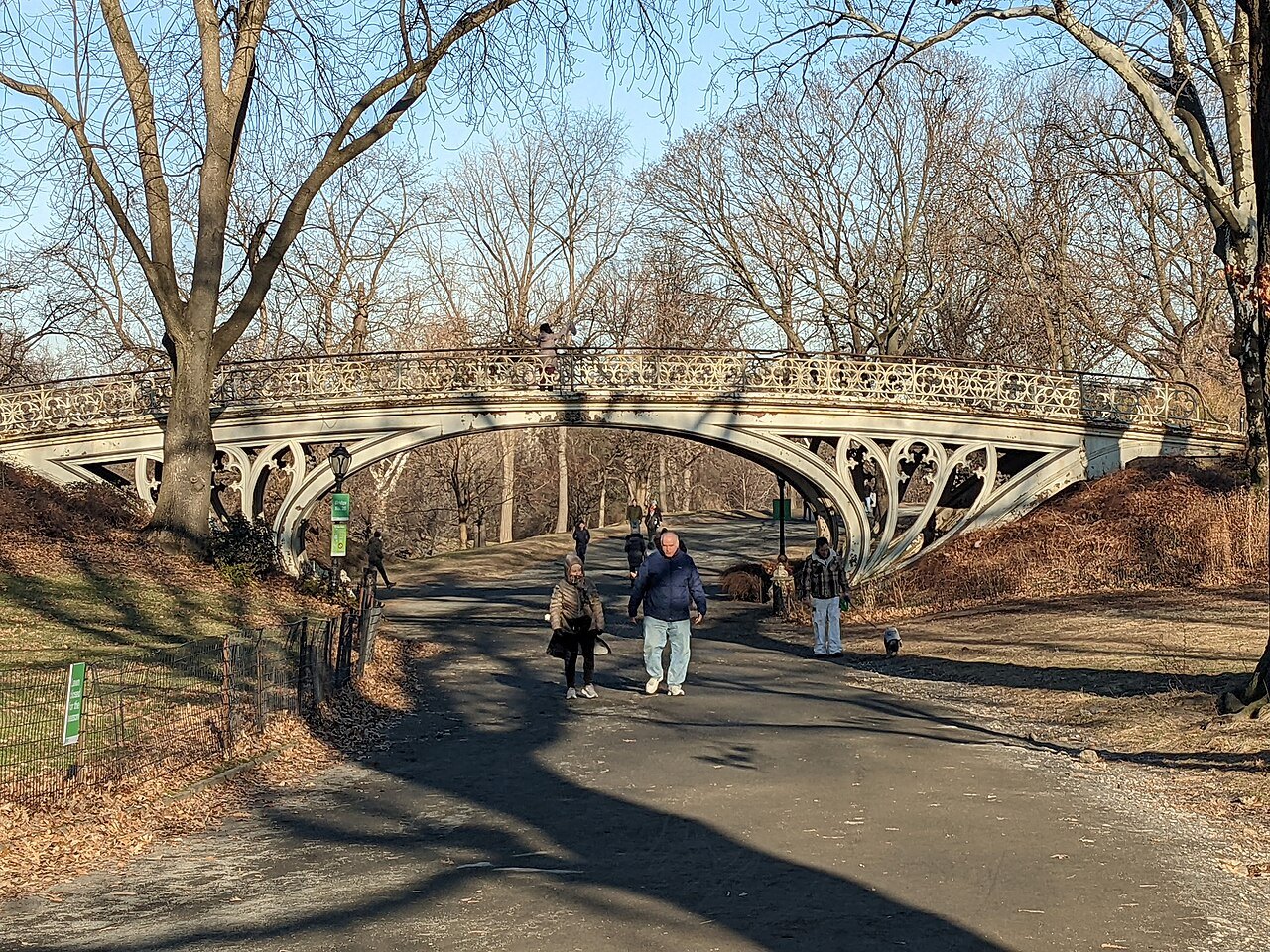 59 St → 110 St15Central Park843 acres, two and a half miles long, the first landscaped park in the United States.
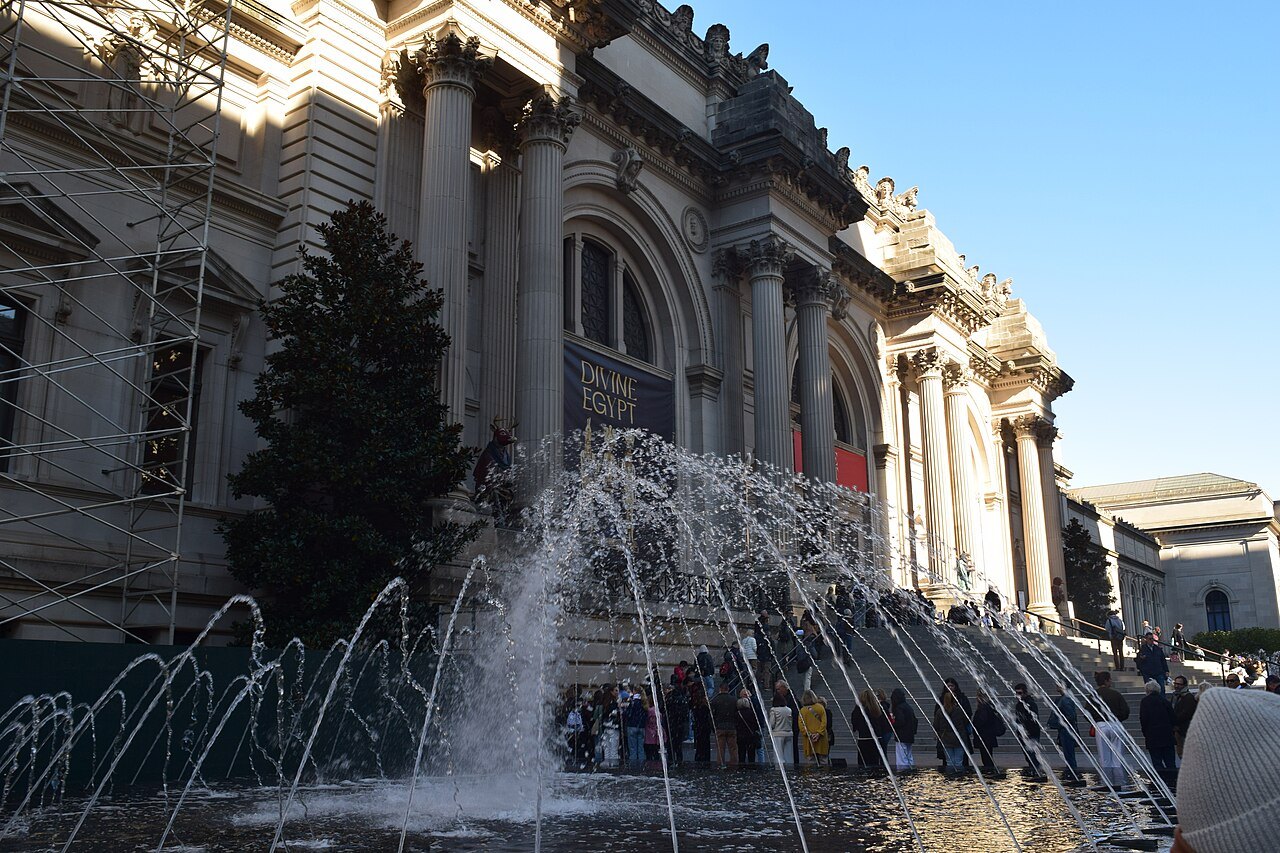 1000 Fifth Ave16The Metropolitan Museum of ArtThe largest art museum in the Americas, its first wing built in 1880.
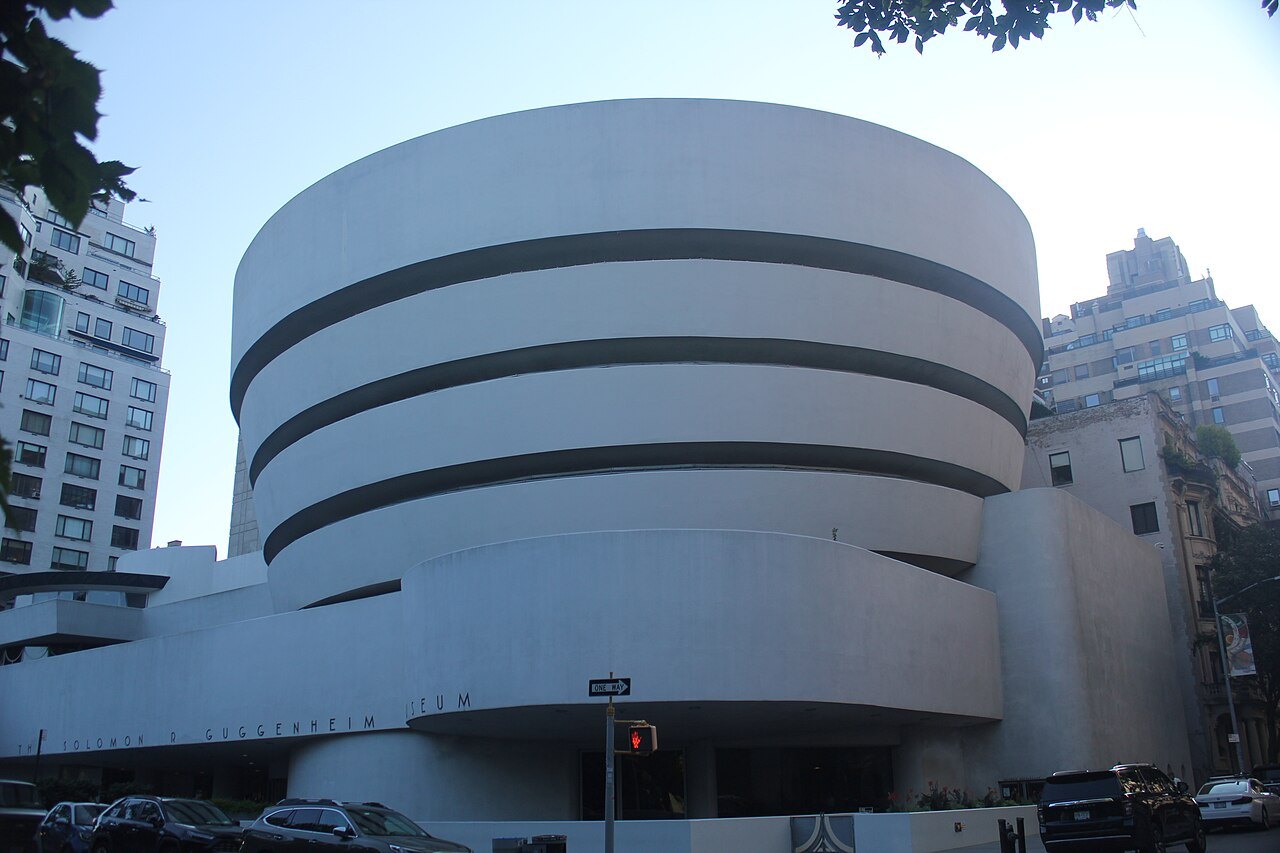 Fifth Ave · E 88–89 St17The GuggenheimFrank Lloyd Wright's spiral of 1959, fifteen years in the designing and building.
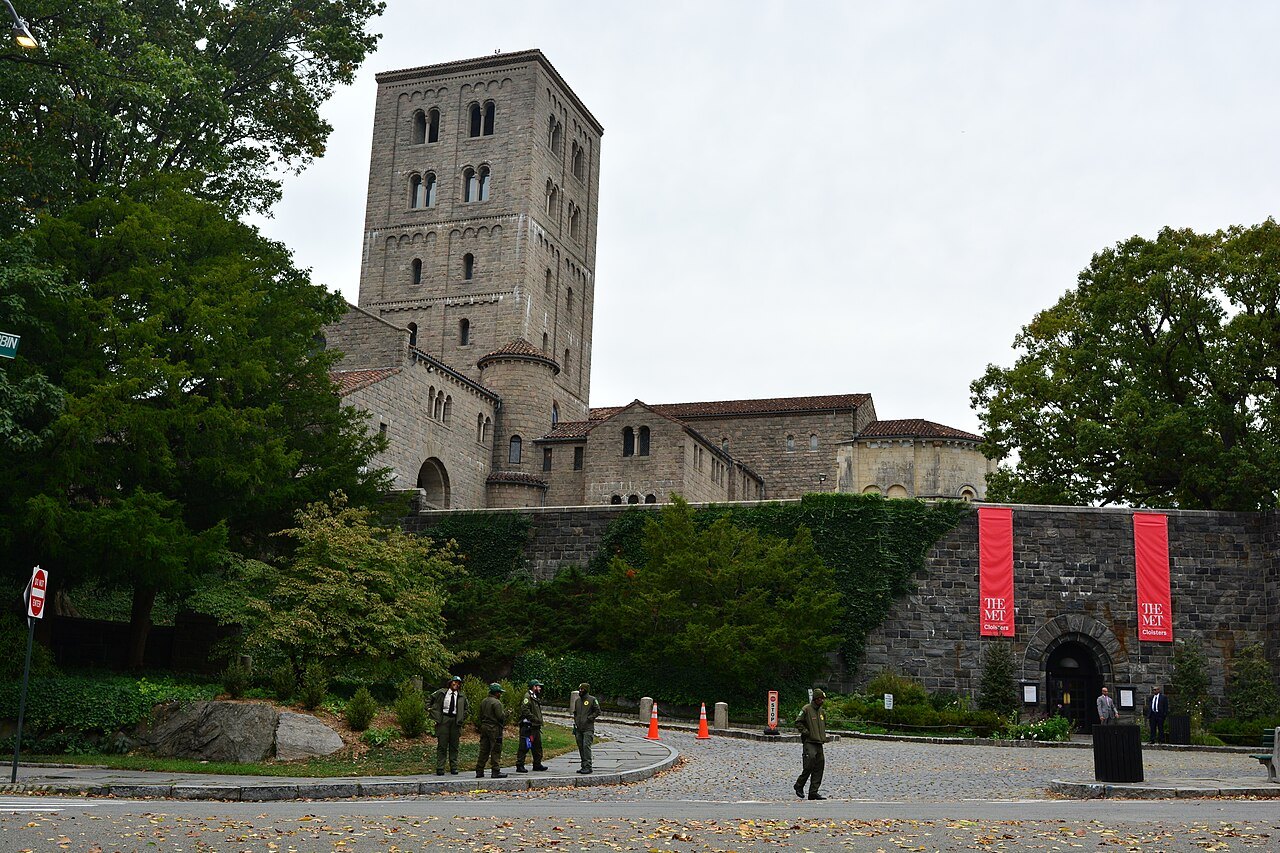 Fort Tryon Park18The CloistersMedieval Europe on a hilltop in Fort Tryon Park, built around four cloisters brought from France.