Home · Sights · The 9/11 Memorial and One World Trade Center
What you are looking at01
The 9/11 Memorial and One World Trade Center
West St · Vesey St
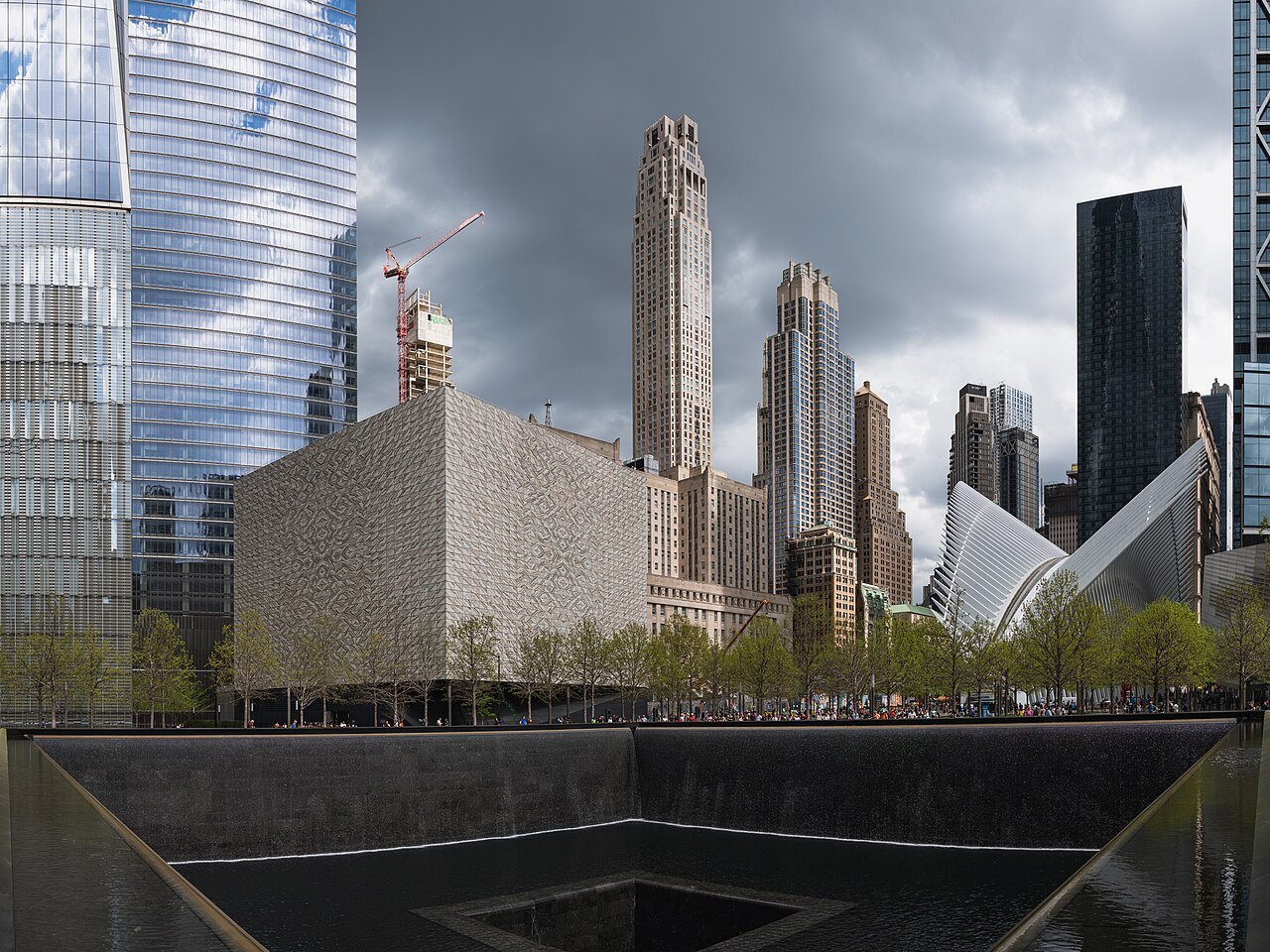
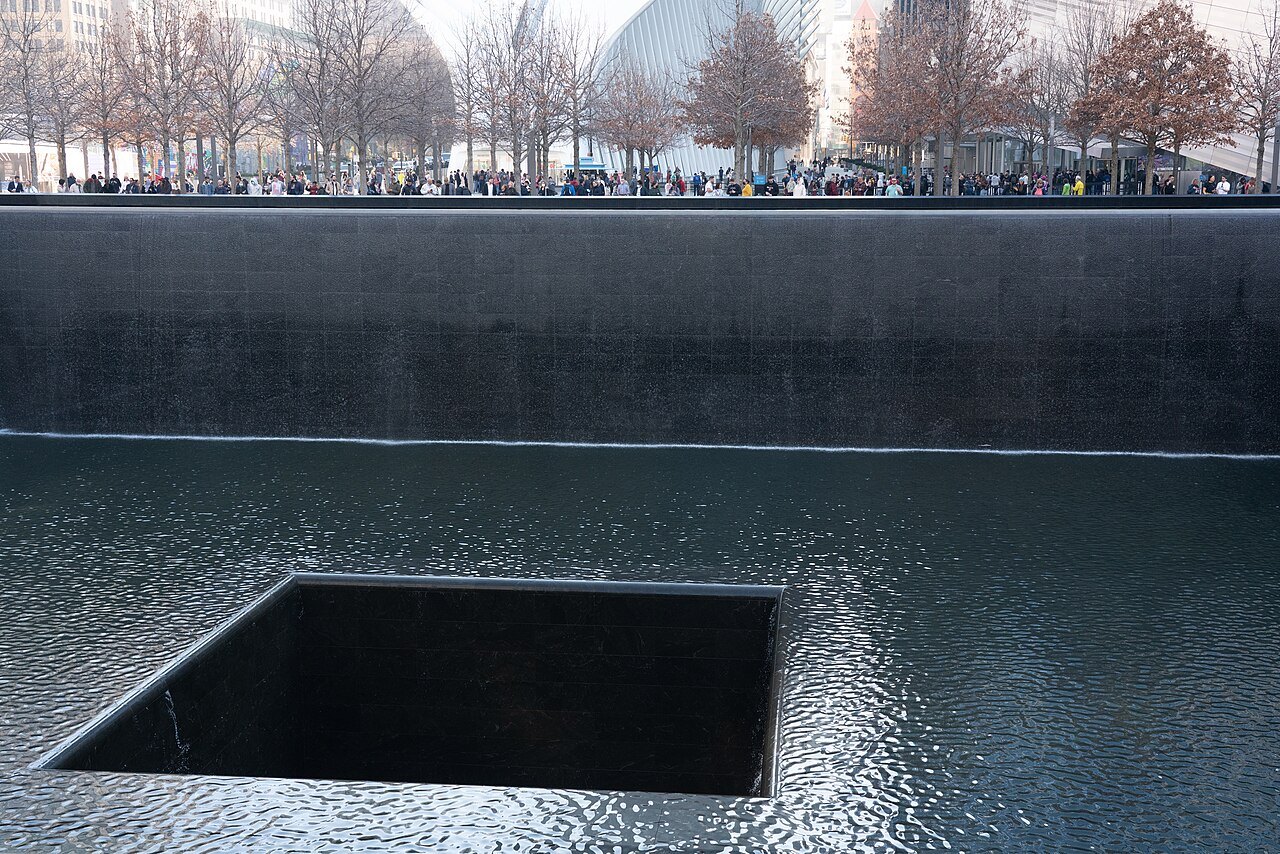
- 1The two poolsWater falls on four sides into the footprints of the Twin Towers, then into a smaller square at the center.
- 2The namesThe 2,977 people killed on September 11, 2001, and the six killed in 1993, cut into bronze parapets around the pools.
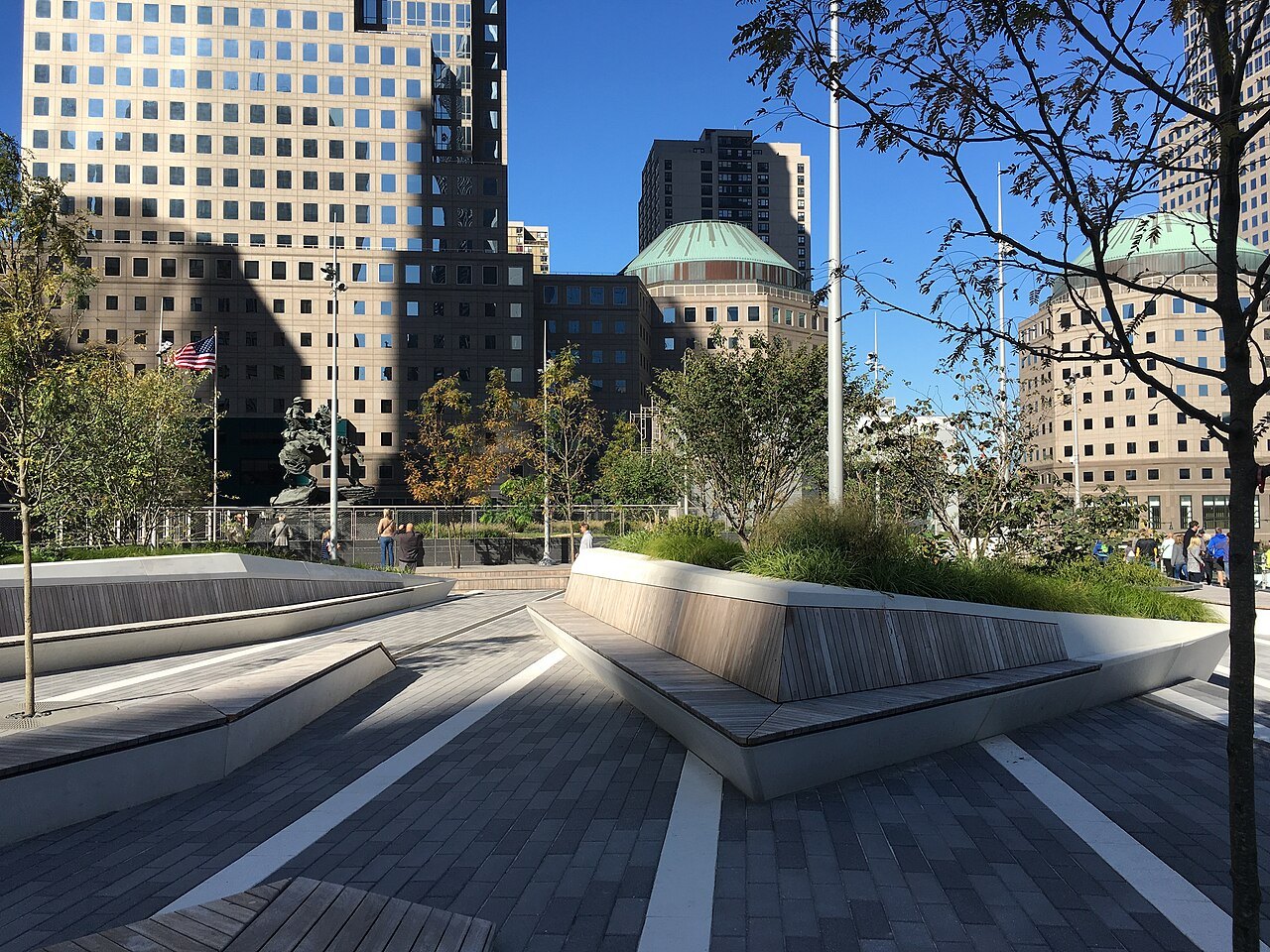
- 3The oak groveRows of swamp white oaks in clusters and clearings, planted across the plaza between the pools.
- 4The museumSeventy feet below ground, beside a surviving slurry wall that held back the Hudson River.
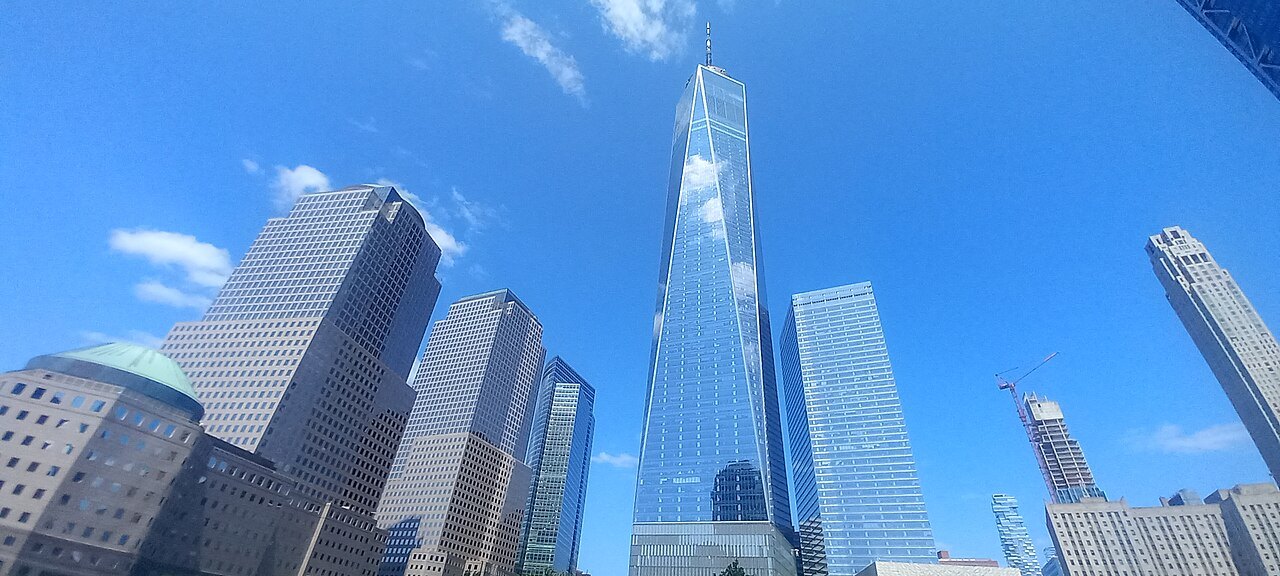
- 5One World Trade CenterThe rebuilt tower, 1,776 feet to the tip of its spire, with an observatory on floors 100 to 102.
- 6The OculusSantiago Calatrava's white-ribbed station house of 2016, the entrance to the trains below the site.
The sight in full02
Reading the place
Why it matters
On the morning of September 11, 2001, hijacked planes struck the two towers of the World Trade Center, and both collapsed. The attacks that day killed 2,977 people here, at the Pentagon and near Shanksville, Pennsylvania. The sixteen-acre site in Lower Manhattan became a place of recovery for months and then, slowly, of rebuilding.
What stands there now is a memorial, a museum, a new tower and a transit hub. The memorial is the reason most visitors come, and it is a public space: free, open every day, and designed to be walked through quietly. It is not a sight in the usual sense, and it helps to know before you arrive what you will find.
The memorial pools
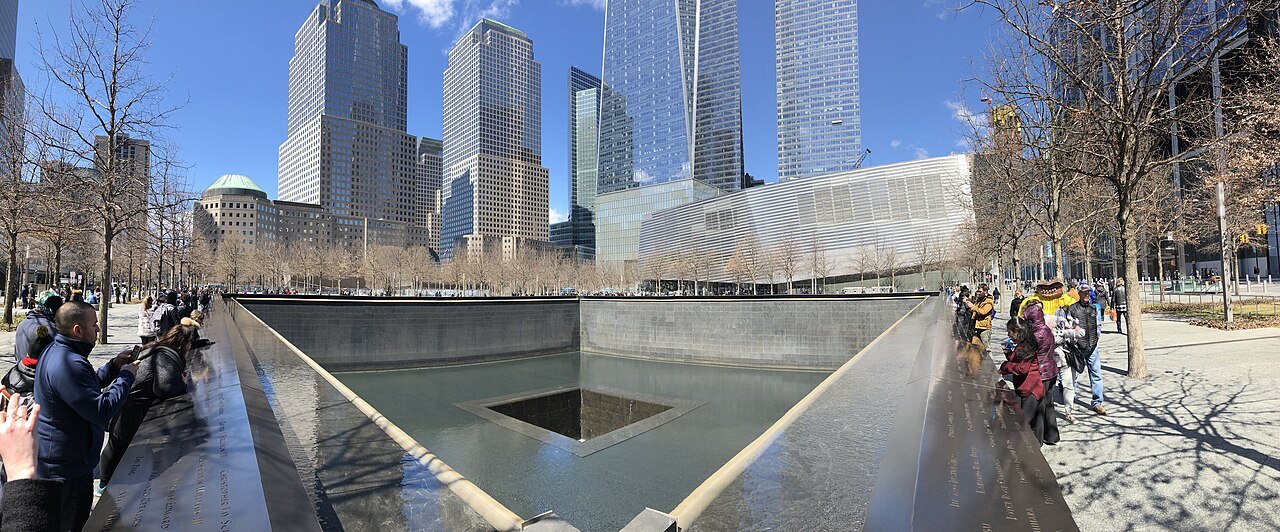
The design is called Reflecting Absence. It was chosen in January 2004 from an international competition, and its architect, Michael Arad, worked with the landscape architects Peter Walker and Partners. It consists of a plaza planted with a forest of swamp white oak trees, arranged in rows and loose groves, broken by two large square pools that sit exactly in the footprints of the Twin Towers.
Each pool is a waterfall on four sides. The water drops into a wide basin and then again into a smaller square void at the center, whose bottom you cannot see from the edge. The sound of the water covers the noise of the city, which is part of the design. Around both pools, bronze parapets carry the names of the dead: the people killed on September 11 at all three sites and on the two planes, and the six killed in the bombing of the World Trade Center on February 26, 1993. The names are grouped by what the designers called meaningful adjacencies, so that people who worked together or died together are listed side by side.
The memorial was dedicated on the tenth anniversary of the attacks, September 11, 2011, and opened to the public the next day. The layout follows the master plan for the whole site drawn by the architect Daniel Libeskind, and it was the only finalist to set aside his wish that new buildings overhang the footprints: here the footprints stay open to the sky.
The museum below
Between the pools a glass pavilion by the Norwegian firm Snøhetta leads down into the National September 11 Memorial Museum, whose galleries were designed by Davis Brody Bond and which was dedicated in May 2014. The galleries lie about seventy feet below ground, at the level of the towers' foundations. One wall is an exposed stretch of the slurry wall, the underground barrier that holds back the Hudson River and survived the collapse. Among the pieces of steel on display is the Last Column, the final piece removed from Ground Zero in May 2002.
The museum tells the story of the day through objects, recordings and first-person accounts, and parts of it are very hard to see. Its own guidance is to allow between forty-five and ninety minutes. It requires a ticket bought in advance and is not open every day of the week, so check the museum's own site before planning around it; the memorial pools are free and open daily.
One World Trade Center
North of the pools stands One World Trade Center, the main building of the rebuilt complex, designed by David Childs of Skidmore, Owings and Merrill. Its spire was completed in May 2013, bringing it to a symbolic 1,776 feet, the year of the Declaration of Independence. It is the tallest building in the United States and in the Western Hemisphere. The tower opened in November 2014.
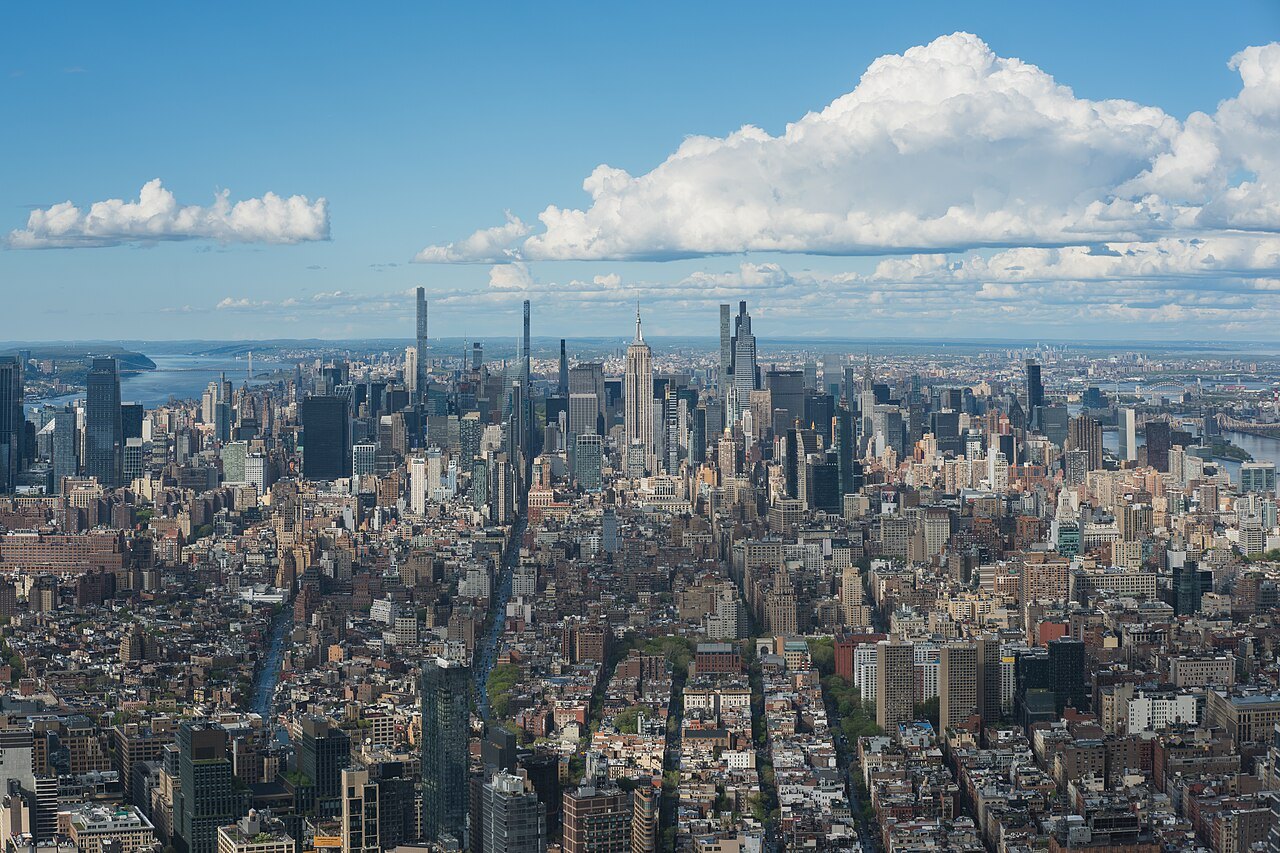
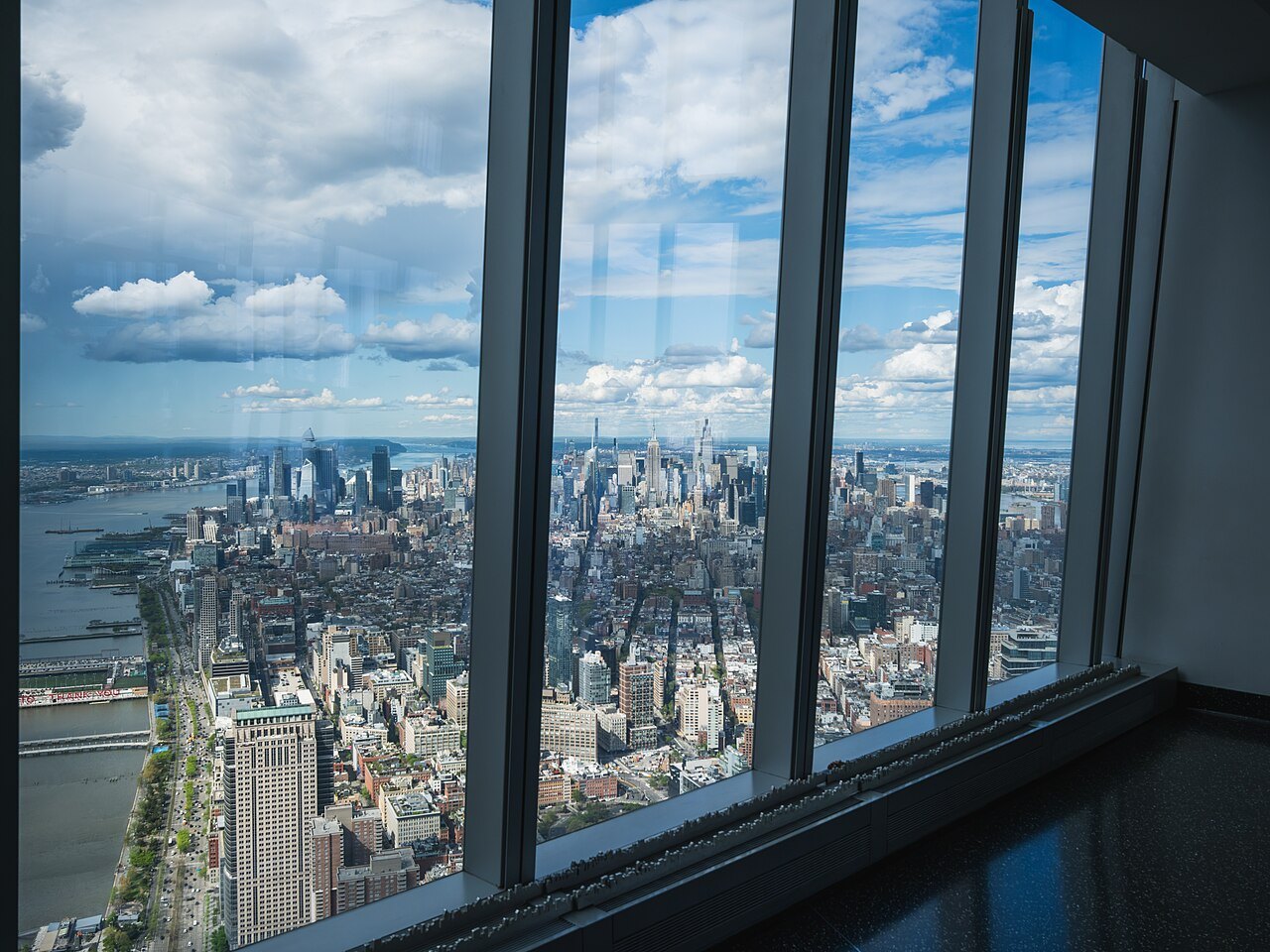
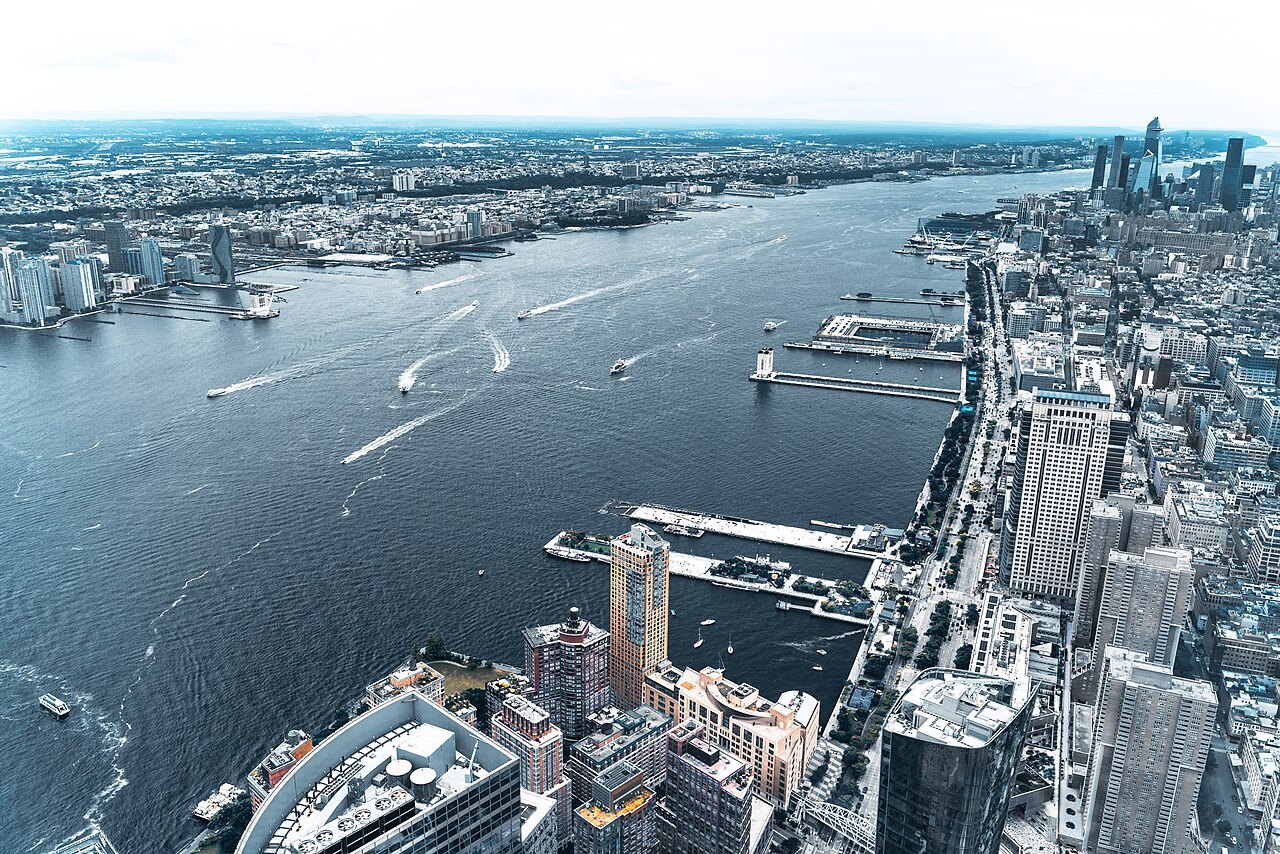
The One World Observatory, which opened in May 2015, fills floors 100 to 102. From there the harbor, the Statue of Liberty, New Jersey across the Hudson and the whole length of Manhattan to the north lie below you; the views compares it with the other decks in town. It needs a ticket of its own.
The Oculus
East of the memorial, a white structure of interlocking ribs rises from the plaza like the wings of a bird. This is the Oculus, the main station house of the World Trade Center Transportation Hub, designed by the Spanish architect Santiago Calatrava and opened on March 3, 2016. Beneath its vault are the entrances to the PATH trains to New Jersey and to many subway lines, and on its lower floors a shopping mall. Its two underground floors hold part of the Westfield World Trade Center mall. It is worth walking through for the space alone, a great white nave that fills with light.
How to visit
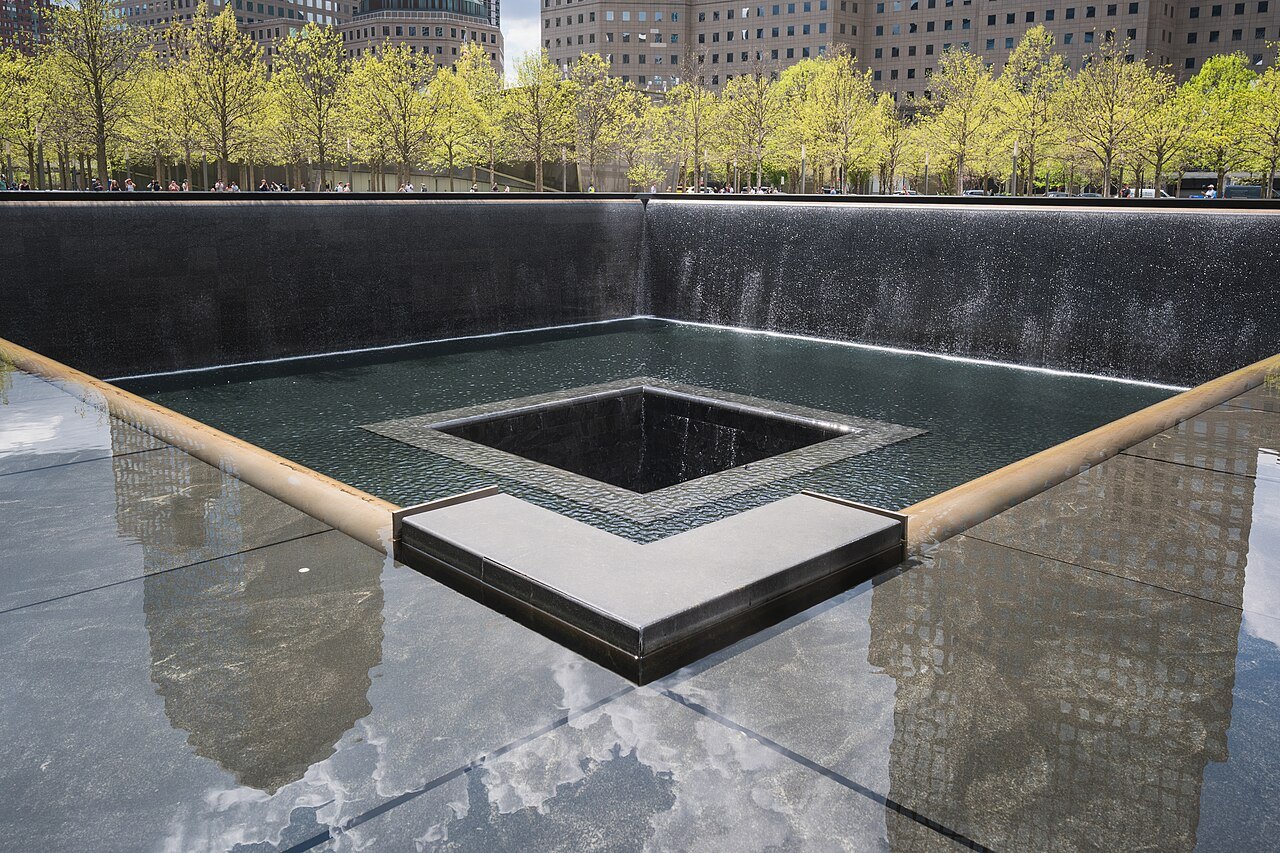
The memorial plaza is free to everyone, without a ticket, and you can walk in from any side. A first visit to the pools takes half an hour; with the museum and the observatory it is most of a day. It is a place of mourning, so behave as you would at a graveside, and read the memorial's visitor guidelines before you go if you are bringing a group.
Several subway lines stop under the site, and the Oculus is one of the easiest landmarks to arrange to meet at. Booking ahead explains which tickets here must be bought in advance.
Nearby
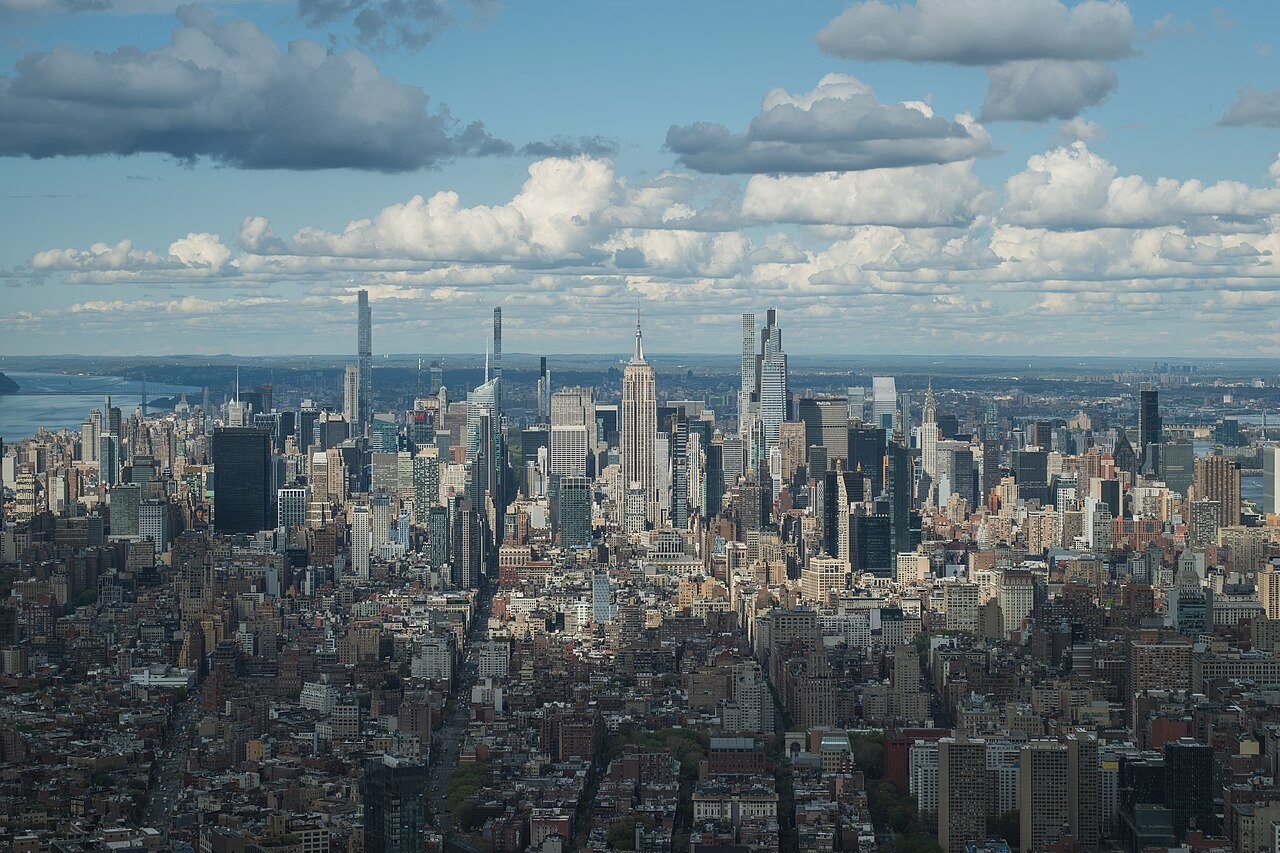
St. Paul's Chapel, which stood unharmed across the street in 2001, is a two-minute walk east on Broadway, and Wall Street and Trinity Church are just south of it. The Statue of Liberty ferries leave from the Battery, a short walk down the Hudson River promenade, and the southern end of the High Line is a subway ride north.
Where to go next03
Nearby
- Nearby · Broadway · Wall StWall Street and Trinity ChurchA street named for a Dutch wall of 1653, where Washington took his oath at Federal Hall, the Stock Exchange fills a temple front on Broad Street, and a Gothic church closes the view at Broadway.Read the page →
- Nearby · New York HarborThe Statue of Liberty and Ellis IslandA copper goddess dedicated in 1886 on an island in New York Harbor, and beside her the station where about twelve million immigrants were inspected between 1892 and 1954 — both reached on the same ferry.Read the page →
- Nearby · Park Row · City HallThe Brooklyn BridgeThe bridge of 1883 that first tied Manhattan to Brooklyn: two granite towers pierced by Gothic arches, a web of steel cables, and a wooden promenade raised above the traffic for anyone who wants to walk across.Read the page →