Home · Sights · The Metropolitan Museum of Art
What you are looking at01
The Metropolitan Museum of Art
1000 Fifth Ave
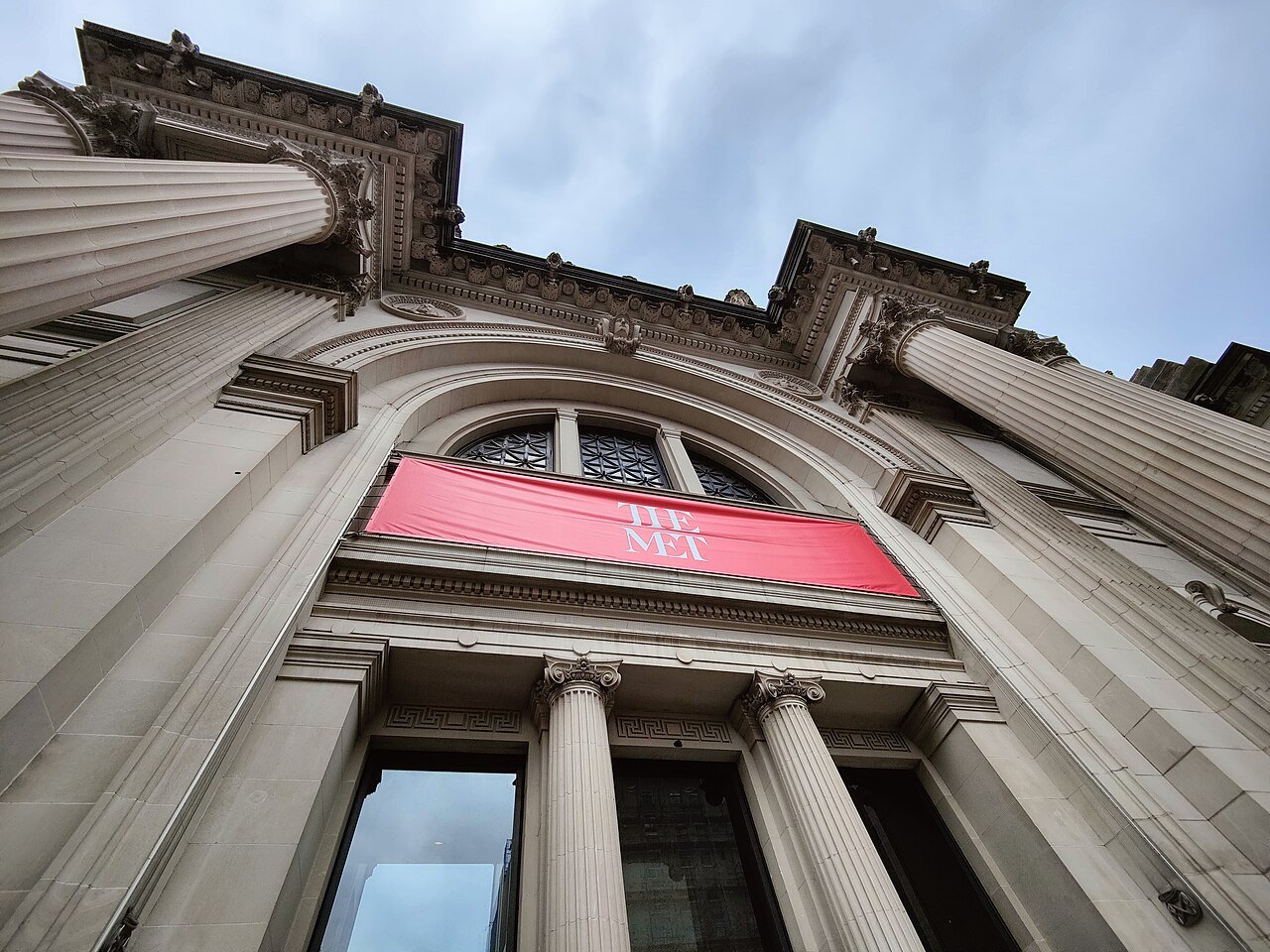
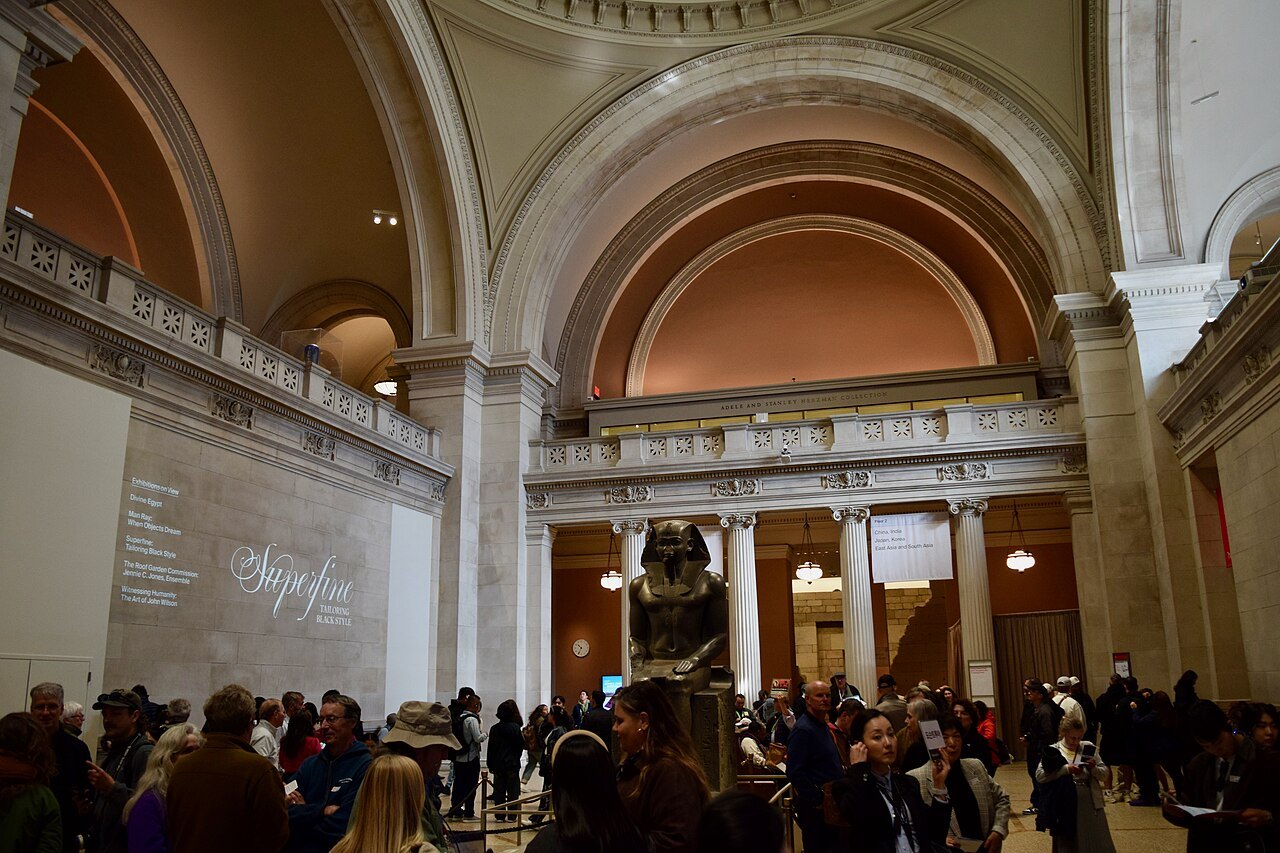
- 1The Great HallRichard Morris Hunt's Beaux-Arts entrance hall behind the Fifth Avenue facade, with the Grand Stairway beyond.
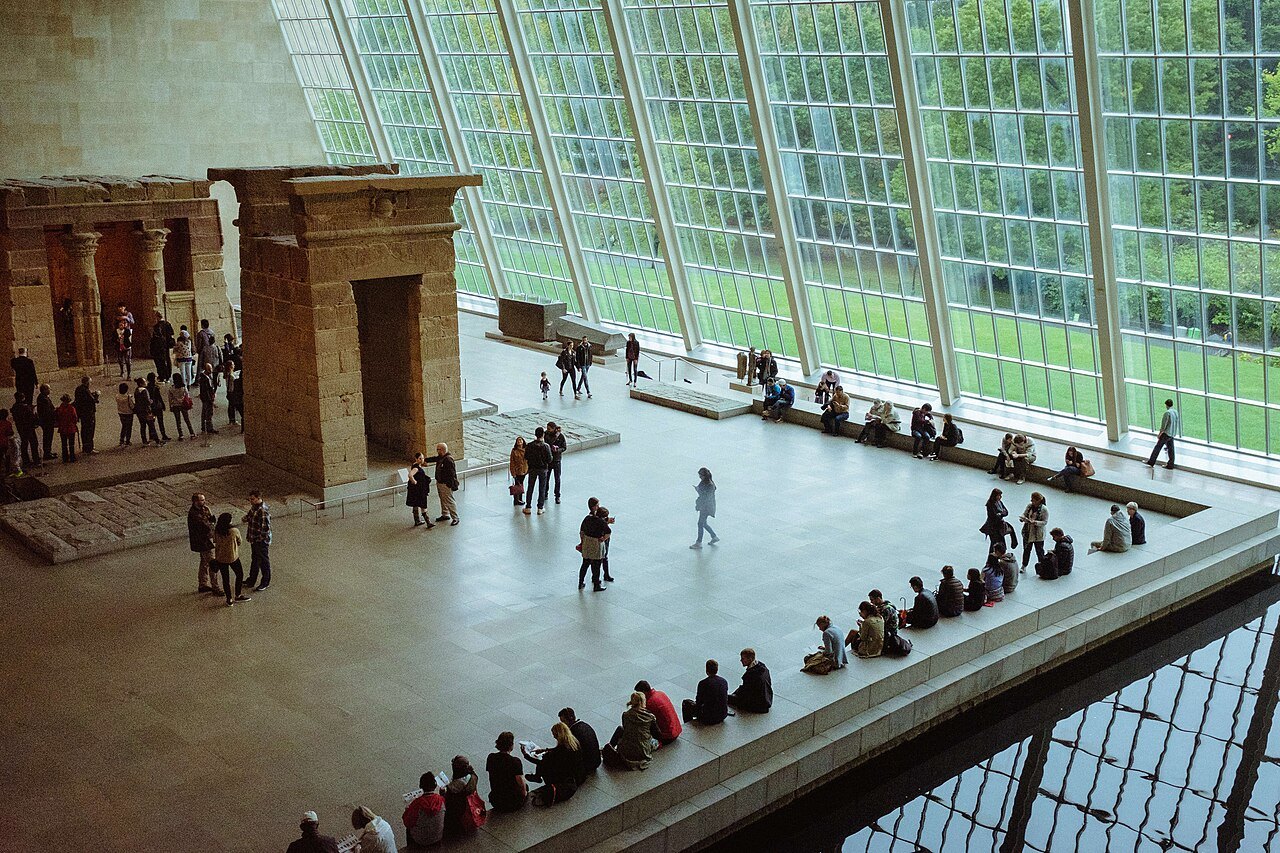
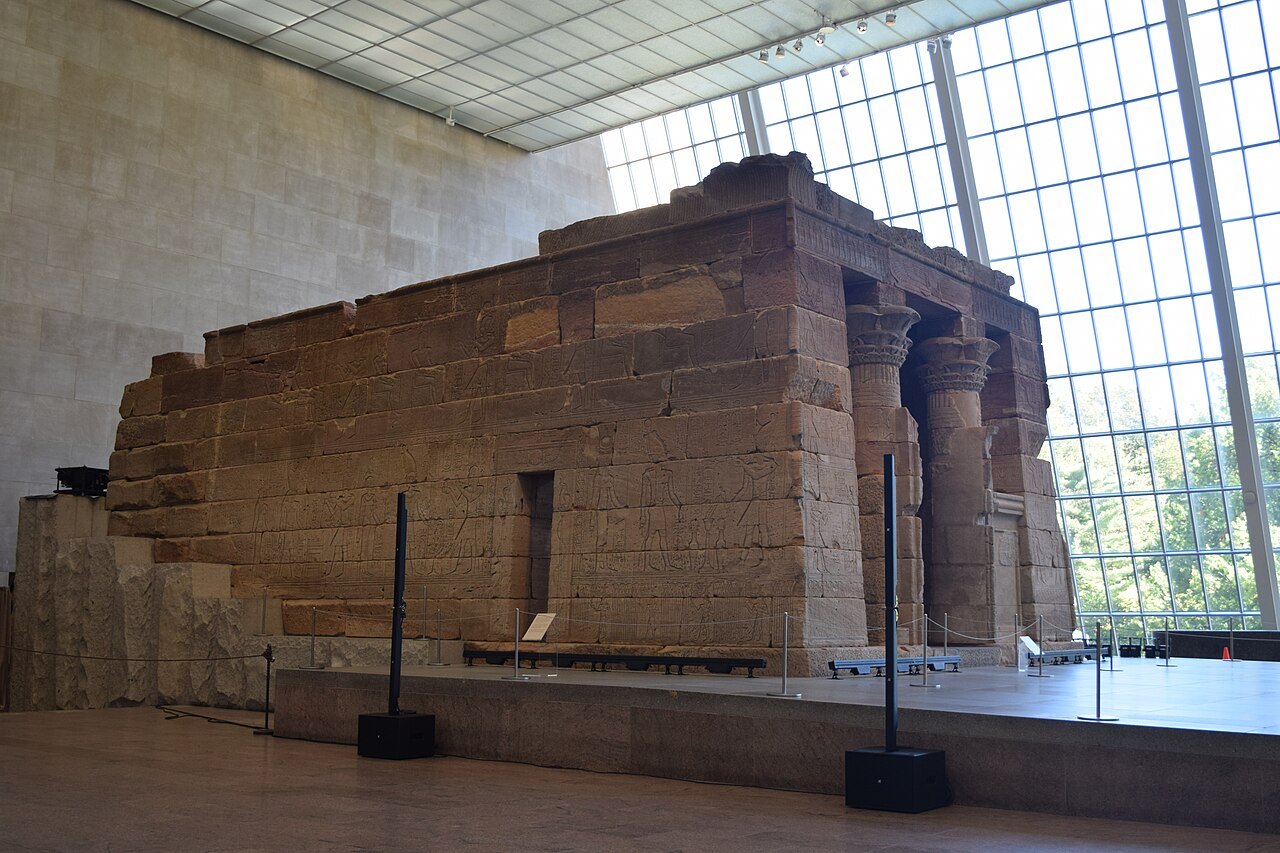
- 2The Temple of DendurA whole Egyptian temple in a glass-walled room beside a reflecting pool, facing Central Park.
- 3Arms and ArmorA parade of armored figures on horseback in one of the museum's most popular galleries.
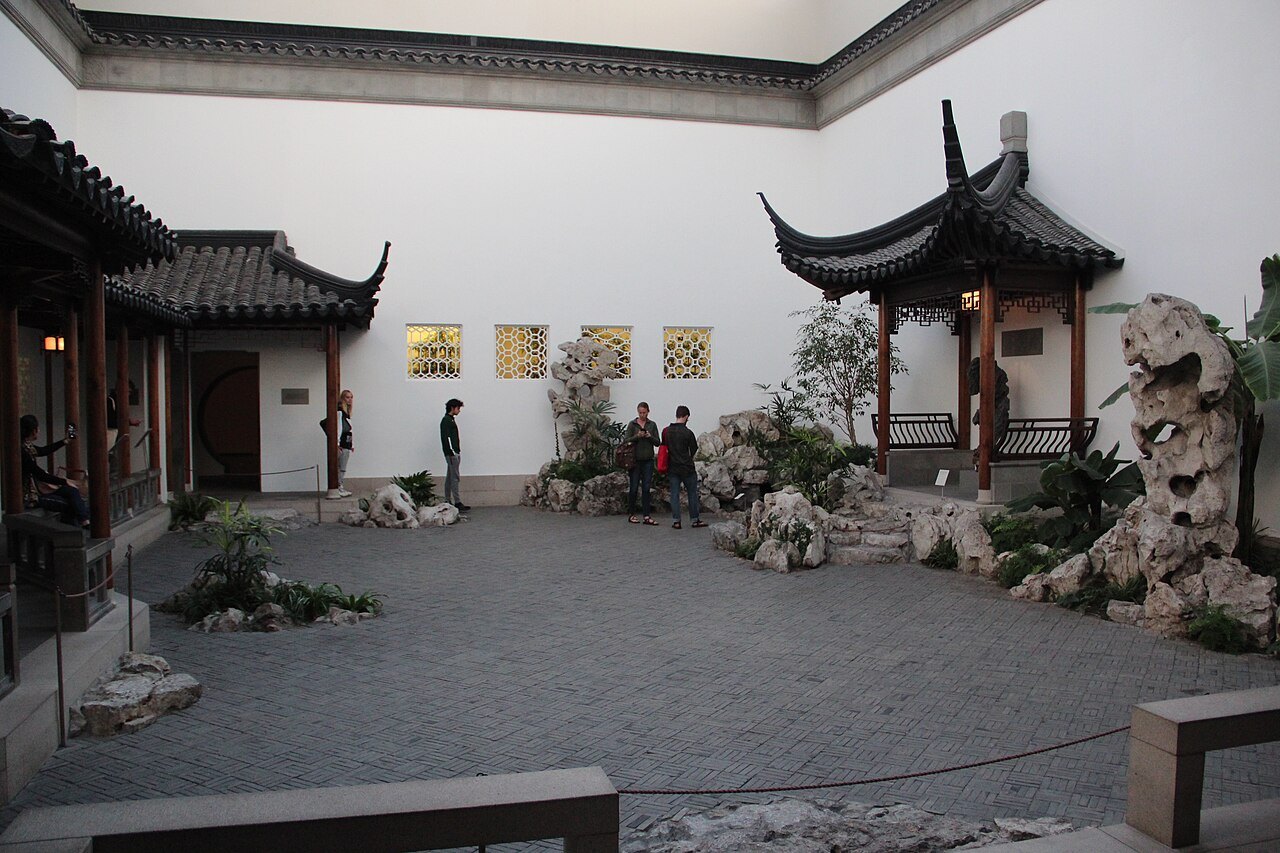
- 4The Astor CourtA Ming-style Chinese garden court, the first built outside China.
- 5European paintingsMore than 2,500 paintings from the thirteenth to the early twentieth century, from Old Masters to Van Gogh.
- 6The Roman bedroomA complete bedroom from a villa at Boscoreale, buried by Vesuvius in 79 CE.
The sight in full02
Reading the place
Why it matters
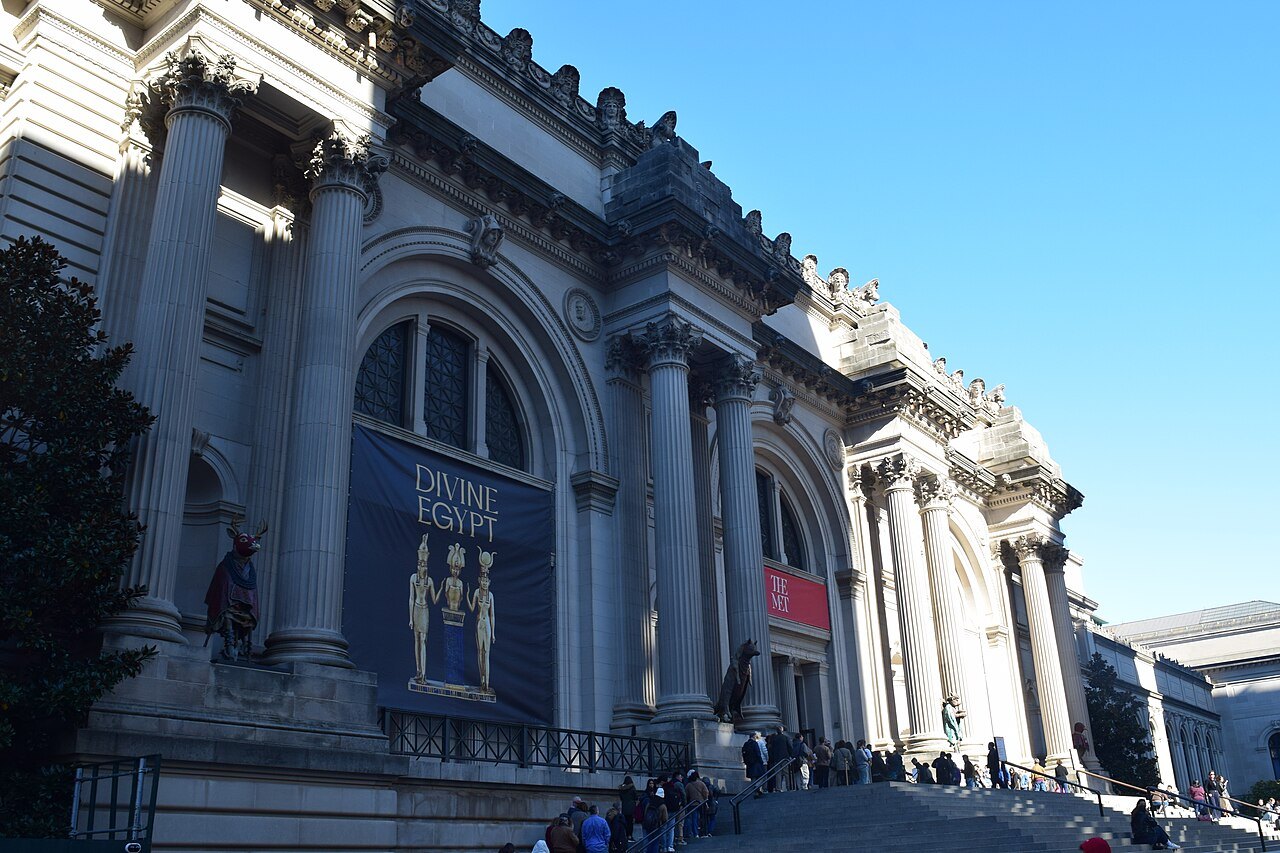
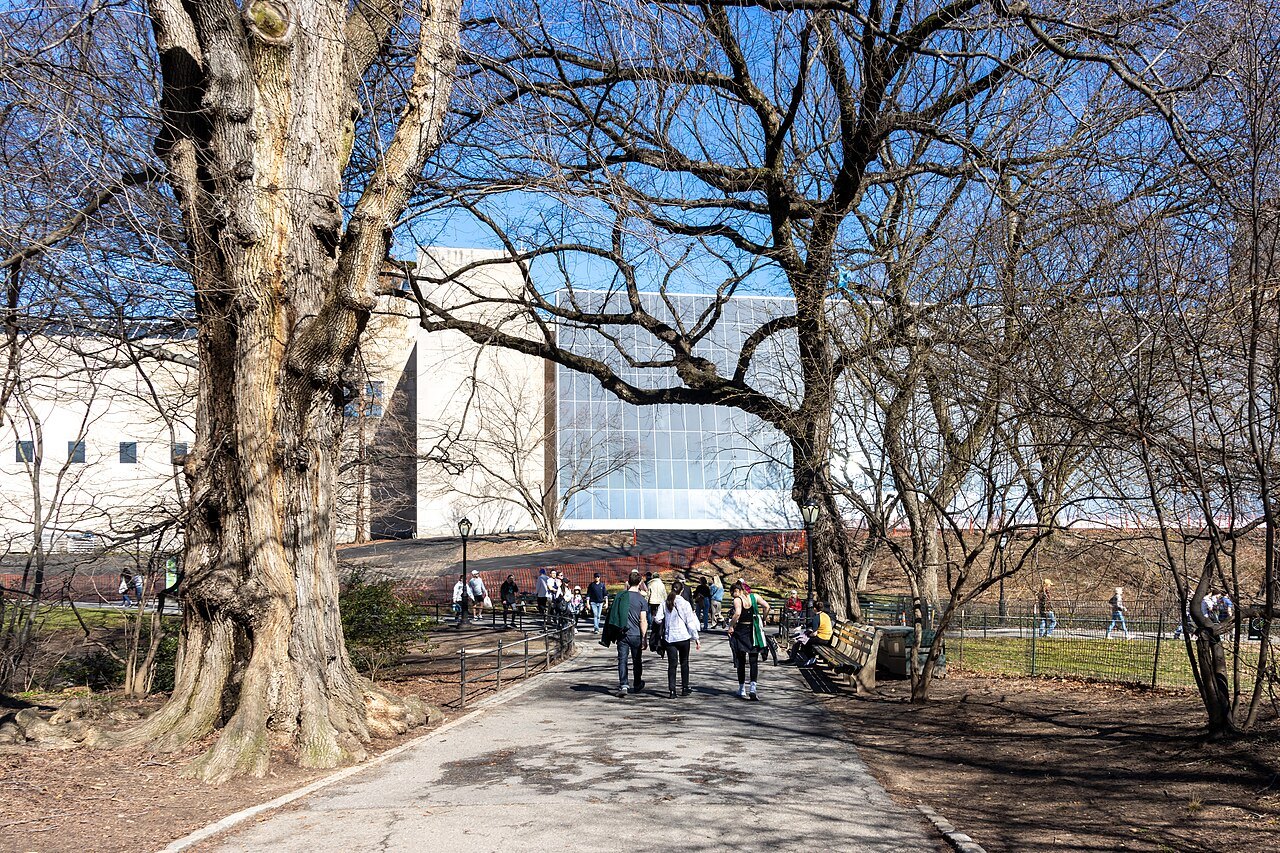
The Metropolitan Museum of Art, which everyone calls the Met, stands at 1000 Fifth Avenue on the eastern edge of Central Park, on the stretch of Fifth Avenue known as Museum Mile. By floor area it is the third-largest museum in the world and the largest art museum in the Americas, and with more than five and a half million visitors in a recent year it is the most visited museum in the United States. The building is almost a quarter of a mile long and holds more than two million square feet of floor space, more than twenty times the size of its first building.
It is an encyclopedic museum, which means it tries to cover the art of the whole world and the whole of history, from the ancient Near East and Egypt through Greece and Rome to the contemporary world. Its collection lists some one and a half million works, divided among seventeen curatorial departments. No one sees it all in a day, and it is better not to try.
How it grew
The museum was founded in 1870 by a group of philanthropists, artists and businessmen who wanted a national institution that would inspire and educate the public. It first opened on February 20, 1872, in a building at 681 Fifth Avenue, and in 1880 it moved into its first building in the park, a red-brick and stone hall designed by Calvert Vaux, one of the two designers of Central Park, with his collaborator Jacob Wrey Mould.
That first building has long since been swallowed. The grand Fifth Avenue facade, the Great Hall and the Grand Stairway were designed in the Beaux-Arts style by Richard Morris Hunt and his son Richard Howland Hunt in the late 1890s and early 1900s, and the modern glass sides and rear, facing the park, are the work of the firm Roche-Dinkeloo. The museum's first accessioned object, a Roman sarcophagus, is still on display.
What you actually see
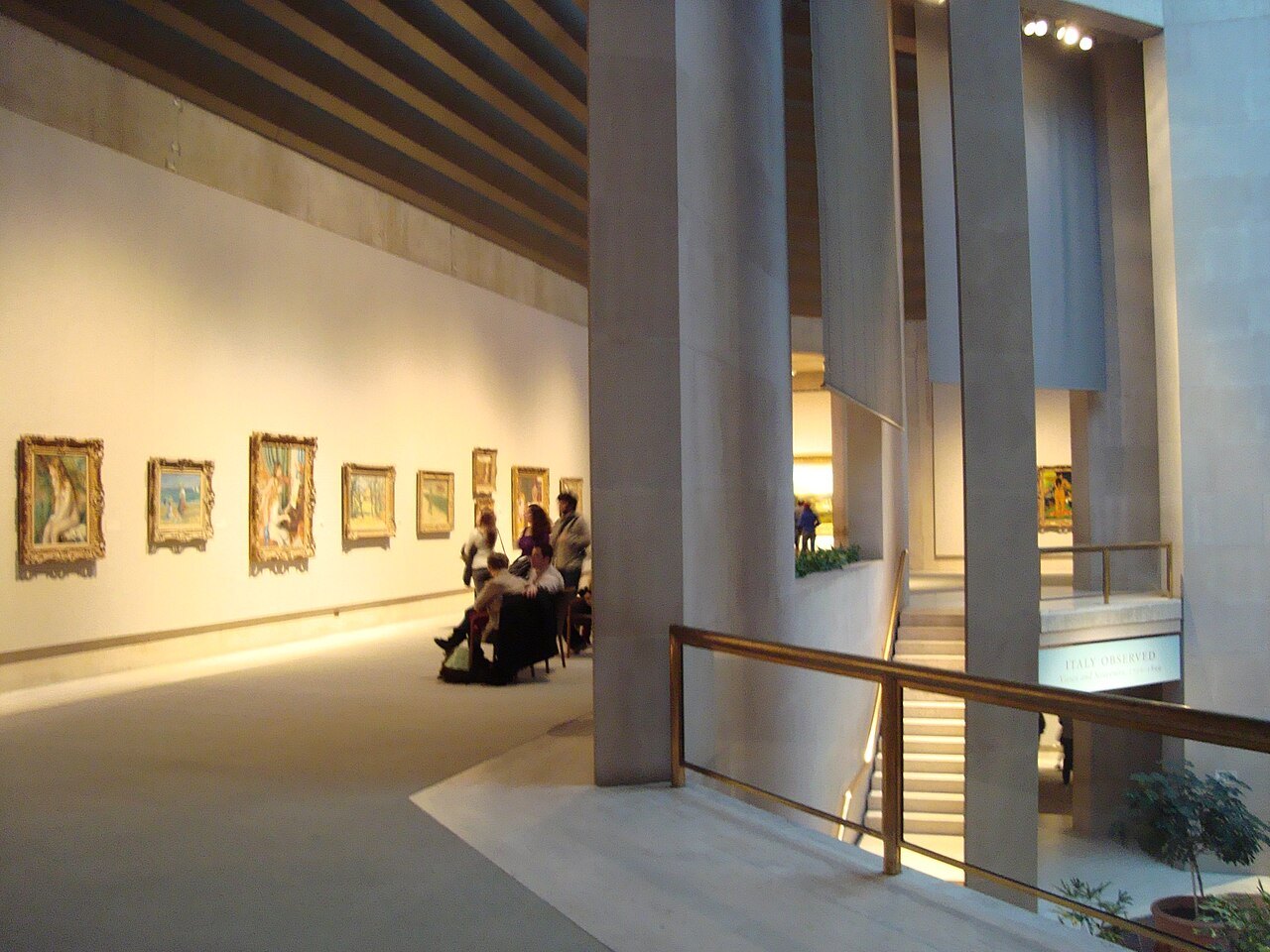
Climb the broad steps from Fifth Avenue into the Great Hall, the museum's grand entrance, and you face a choice of directions. Straight ahead the Grand Stairway rises to the second floor, where the European paintings hang: more than 2,500 of them, from the thirteenth through the early twentieth century, in the Old Masters galleries reinstalled in 2023 and the nineteenth- and early twentieth-century galleries, which the museum ranks second only to the museums of Paris for French painting, with Courbet, Degas, Manet, Monet, Cézanne and Van Gogh.
Turn right on the ground floor for Egypt. The Met holds more than 26,000 pieces of Egyptian art, and almost all of them are on view in a wing of forty galleries; nearly half came from the museum's own excavations between 1906 and 1941. The wing ends at the Temple of Dendur, a whole temple standing in a vast room beside a reflecting pool, lit by a wall of windows that open onto the park. It is the museum's most enduring attraction, and one of the most extraordinary rooms in the city.
Turn left for the Greek and Roman galleries, expanded in 2007 to about 60,000 square feet so that most of a collection of more than 17,000 objects can be shown, including a complete bedroom from a Roman villa at Boscoreale, buried by the eruption of Vesuvius in 79 CE.
The rest of the house
Beyond the stairs, the Arms and Armor galleries are among the most popular in the museum, with a parade of armored figures on horseback and weapons from dynastic Egypt, the Roman Empire, Africa, the Americas and beyond. Upstairs, the Astor Court, opened in 1981, is a complete Chinese garden court in the style of the Ming dynasty, the first built outside China. The museum also owns one of the world's largest collections of art of the Islamic world.
Elsewhere there are dozens of furnished period rooms moved whole into the galleries, from first-century Rome to modern American design; about five thousand musical instruments from around the world; the Michael C. Rockefeller Wing, with its arts of Africa, Oceania and the Americas, including memorial poles carved by the Asmat people of New Guinea; and the Costume Institute, famous for the Met Gala. The Gerald Cantor Roof Garden, near the southwest corner of the roof, looks out over the trees of Central Park; galleries close in turn for renovation, so check the museum's list of closed galleries before you go.
How to visit
Pick two or three departments before you go and walk to them first; the building is so large that wandering can use up a whole day. Visitors from outside New York State pay a fixed admission, while New York State residents and students from New York, New Jersey and Connecticut pay what they wish. Tickets can be bought online, which lets you walk straight to a gallery entrance, but advance tickets are not required; booking ahead explains which sights are worth booking. Every ticket includes the exhibitions and same-day entry to the Met's second site, the Cloisters, in Fort Tryon Park. Its days and hours change, so check its site before you plan the day.
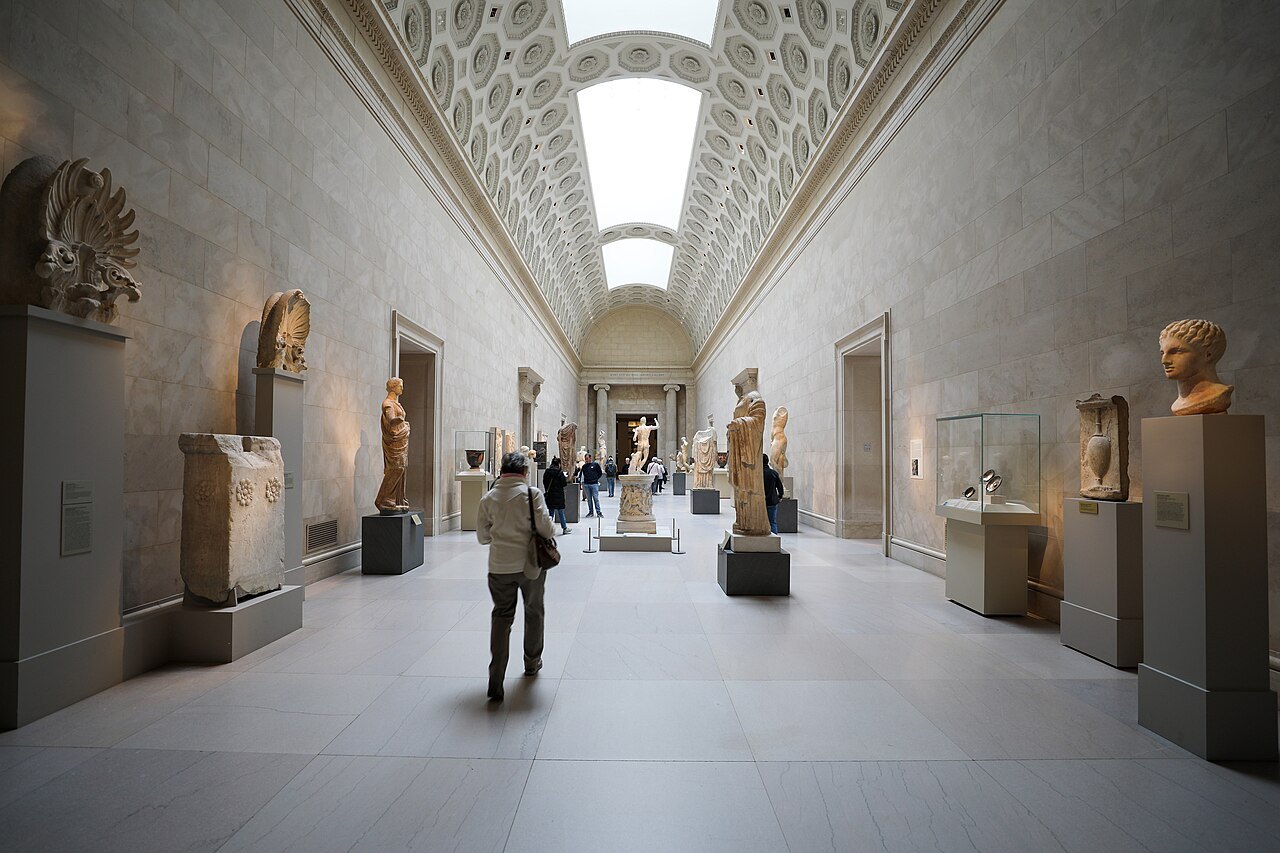
The museum is on Fifth Avenue, between the subway lines on Lexington Avenue to the east and those under Central Park West to the west; the walk across the park from the west side is one of the pleasures of a visit. Step-free entrances are at 81st Street and Fifth Avenue and through the garage at 80th Street, and the museum offers free tours and a free digital guide in the Bloomberg Connects app. Getting around covers the lines.
Nearby
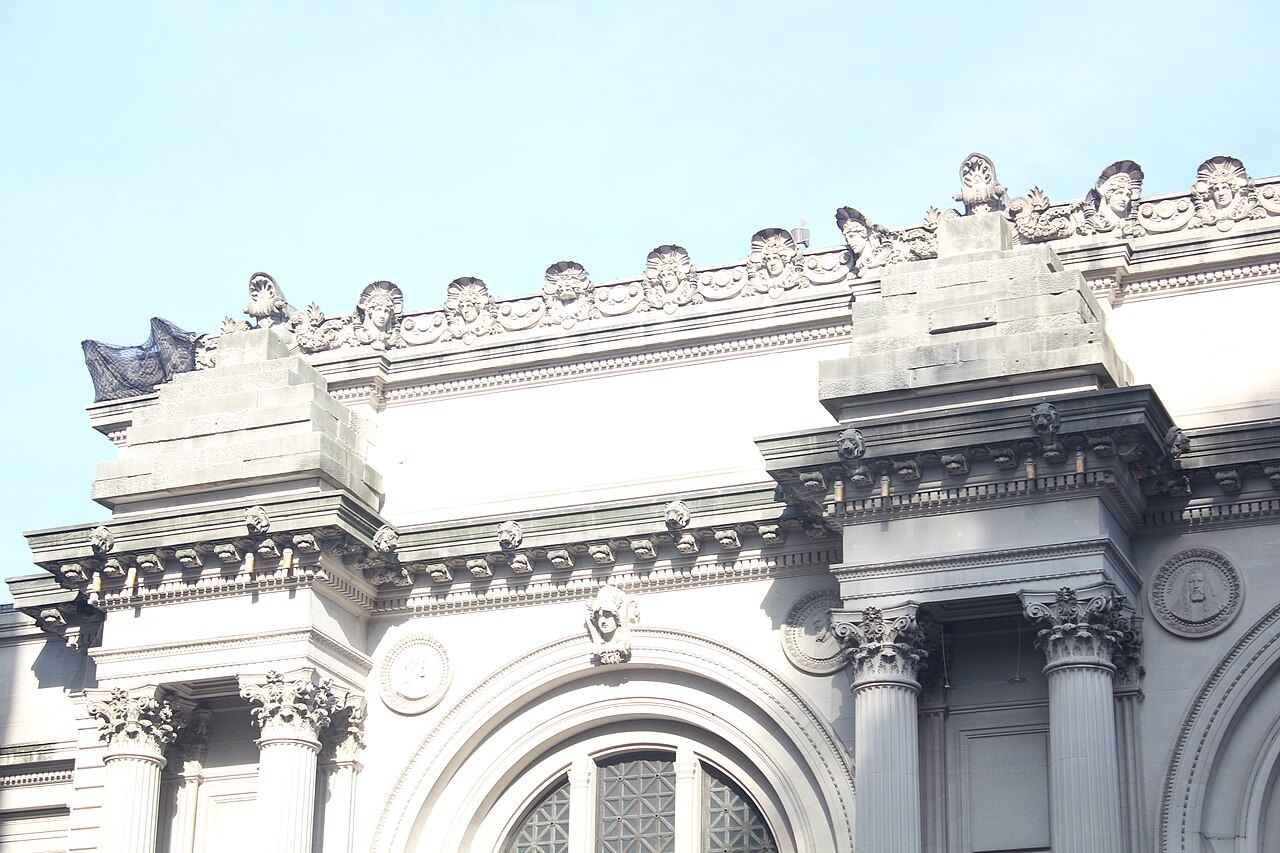
The Met sits inside Central Park, with Cleopatra's Needle just behind it. Walk north up Museum Mile to the Guggenheim.
Where to go next03
Nearby
- Nearby · 59 St → 110 StCentral ParkThe 843 acres the grid left open: a landscape built by hand in the 1850s and 1860s to look like nature, with a lake, a terrace, a castle on a rock, and fifty blocks of lawns and woods between the towers.Read the page →
- Nearby · Fifth Ave · E 88–89 StThe GuggenheimFrank Lloyd Wright's white spiral on Museum Mile, finished in 1959 after fifteen years of drawings and quarrels: a ramp that winds six stories up around an open rotunda under a skylight, with the art hung along the curve.Read the page →
- Nearby · Fort Tryon ParkThe CloistersMedieval Europe on a hilltop at the top of Manhattan: four French and Catalan cloisters shipped over stone by stone, the Unicorn Tapestries, a Romanesque apse from Spain, and gardens looking out over the Hudson.Read the page →