MEDIEVAL FRANCE, REBUILT UPTOWN01
How did medieval cloisters from France end up in Manhattan?
How a sculptor's salvaged abbey stones became the Met Cloisters, a hilltop museum of medieval art in Fort Tryon Park.
The answer in full02
Read on
A Sculptor's Finds from Ruined Abbeys
George Grey Barnard was an American sculptor living in France in the early twentieth century, and when money ran short he turned to dealing in medieval objects. He was drawn to the abbeys and churches of the monastic orders, many of them stripped of carved stone across centuries of war and revolution, with the material scattered among local farms.
Barnard bought whole architectural pieces from the farmers who had put them to work as building material or garden ornament. He claimed to have found one knight's tomb effigy lying face down, doing duty as a bridge over a stream. Piece by piece, the carvings and columns he gathered became the beginnings of an unusual private collection.
By 1914 Barnard had opened a gallery of his finds in Manhattan, where New Yorkers could see Romanesque and Gothic stonework salvaged from rural France. It was the seed of what became the Cloisters, though it still belonged to one collector rather than any museum, and its hilltop home was two decades off.
From Private Collection to Public Museum
In 1925, during one of his recurring money troubles, Barnard sold his collection to John D. Rockefeller Jr., who gave it to the Metropolitan Museum of Art. Rockefeller bought the hilltop site at the northern end of Manhattan in 1930 and gave it to the museum the following year, clearing the way for a museum built to house medieval architecture itself.
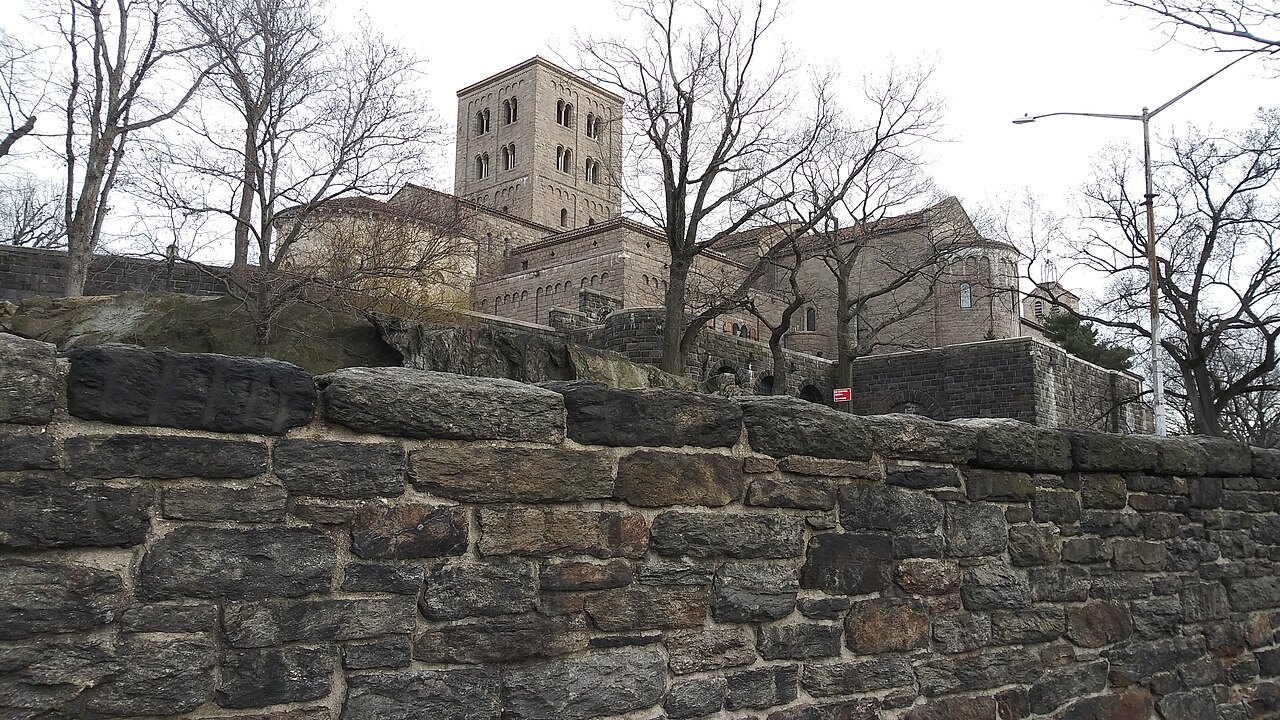
Rockefeller hired Frederick Law Olmsted Jr., son of one of the designers of Central Park, and the Olmsted Brothers firm to lay out Fort Tryon Park around the new museum. The architect Charles Collens designed the building and gardens, drawing on pieces in Barnard's collection, and the stones of five separate monasteries were reassembled into one coherent whole.
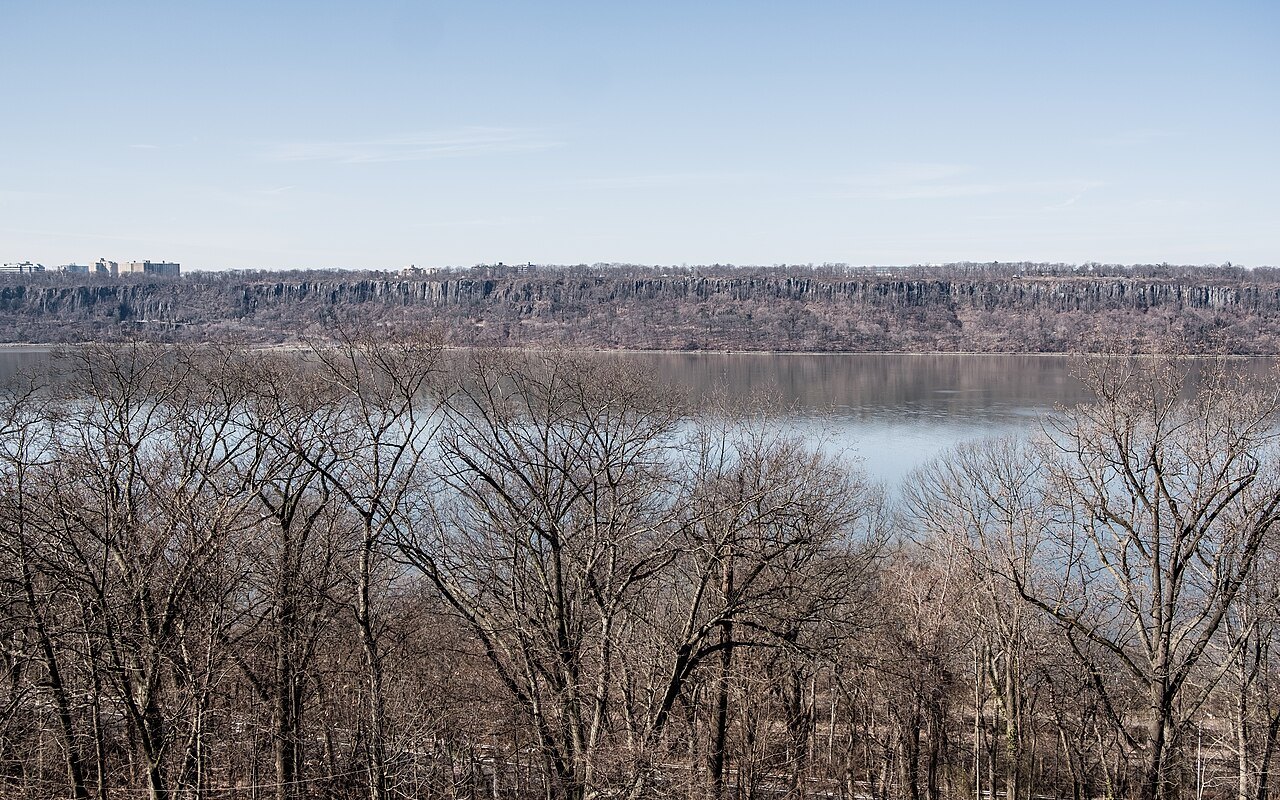
The Cloisters opened on May tenth, 1938. Rockefeller also bought and preserved the clifftops across the Hudson in 1933, a decision that still protects the outlook from the museum's terraces, so the river view would never be spoiled by development on the far shore.
Four Cloisters, Taken Apart and Rebuilt
The museum's heart is four cloisters, the Cuxa, Saint-Guilhem, Bonnefont, and Trie, each taken apart stone by stone in France, shipped across the Atlantic, and rebuilt in Manhattan with chapels and galleries arranged around them. Capitals, doorways, windows, and stained glass are set directly into the walls rather than shown in cases, so the architecture itself is the exhibit.
The Cuxa Cloister, on the south side of the main level, is the centerpiece of the whole building. It comes from the Benedictine abbey of Sant Miquel de Cuixà on Mount Canigou in the Pyrenees of Catalonia, founded in the year 878. Walking its arcades around the garden is as close as anyone can come, on this side of the Atlantic, to a working Romanesque monastery.
The Saint-Guilhem and Trie cloisters, both given modern roofs for protection, shelter carved capitals from the Benedictine monastery of Saint-Guilhem-le-Désert and from other sites. Together with the Bonnefont Cloister on the upper level, they show how varied Romanesque and Gothic carving could be from one abbey to the next.
Chapels, Tapestries, and a Book of Hours
The largest room is the Fuentidueña Chapel, entered through a broad oak door flanked by carvings of leaping animals. Its centerpiece is the Fuentidueña Apse, a semicircular Romanesque recess built around 1175 to 1200 for a church in Fuentidueña, in Segovia, with a barrel vault ending in a half-dome and a twelfth-century crucifix hanging within it.
The Unicorn Tapestries have a room of their own, entered through an early sixteenth-century door carved with unicorns. The large, brilliantly colored hangings were designed in Paris and woven in Brussels or Liège around 1495 to 1505. Rockefeller bought the set in 1922; at one point in their history, the French army used them to cover potatoes against frost.
Nearby hang the Mérode Altarpiece, an Early Netherlandish Annunciation in three panels from the workshop of Robert Campin, and the Belles Heures of the Limbourg Brothers, one of the most richly decorated books of hours in existence. On the ground level, the Gothic Chapel holds about three hundred panels of stained glass, mostly from the thirteenth to early sixteenth centuries, and tomb effigies.
The Gardens Above
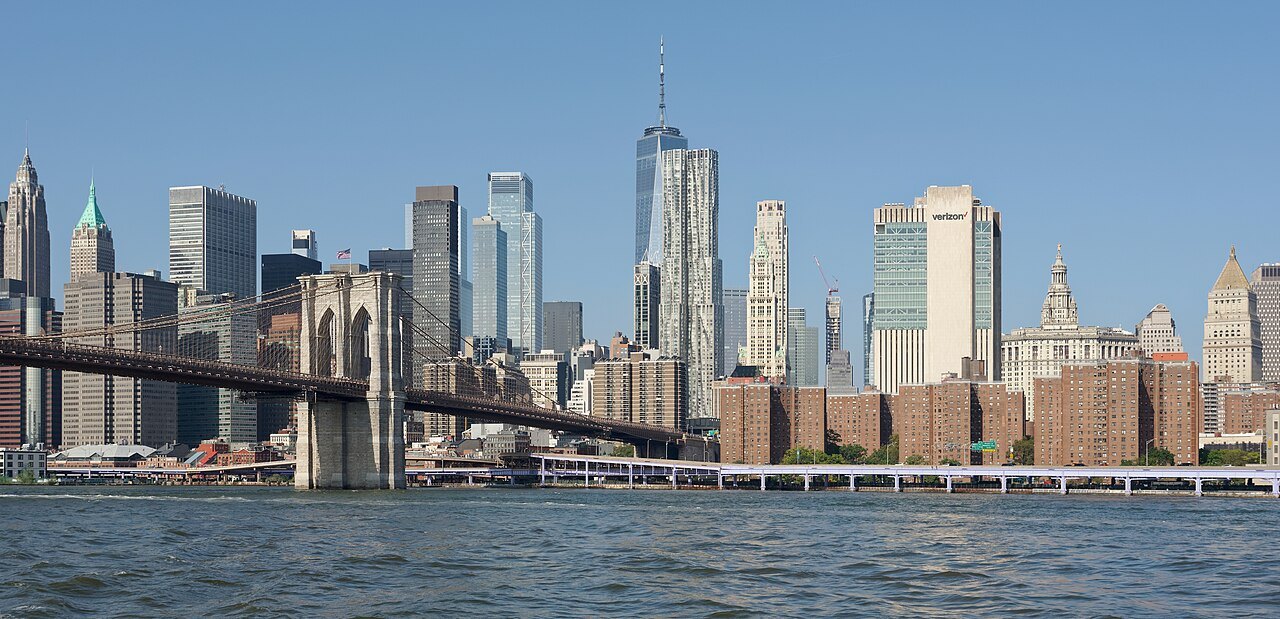
On the upper level, the Bonnefont Cloister, mostly from a Cistercian abbey of the late twelfth century southwest of Toulouse, surrounds a garden laid out with features of the medieval period: raised flower beds, wattle fences, and a medlar tree of the kind that appears in the Unicorn Tapestries. A wellhead that stood at Bonnefont itself in the twelfth century still stands at its center.
From the Bonnefont terrace, the view runs west over the Hudson River to the cliffs of the Palisades, the clifftop land Rockefeller bought and preserved in 1933. It is one of the few places in Manhattan where a medieval garden and an undeveloped river shore can be taken in with a single glance.
The gardens throughout the museum are planted with species known in medieval Europe, matched to the periods of the rooms around them. Visiting in different seasons changes what is in bloom, and the terraces make the museum one of the quietest and least crowded of the city's great institutions, a real contrast to the main building downtown.
Planning the Visit
The Cloisters is part of the Met, and the same ticket covers both sites: every ticket includes same-day entry to the museum on Fifth Avenue, so a visitor can see both in one long day. New York State residents and students from New York, New Jersey, and Connecticut pay what they wish, and advance tickets are not required. Check the museum's site for days and hours before planning a trip.
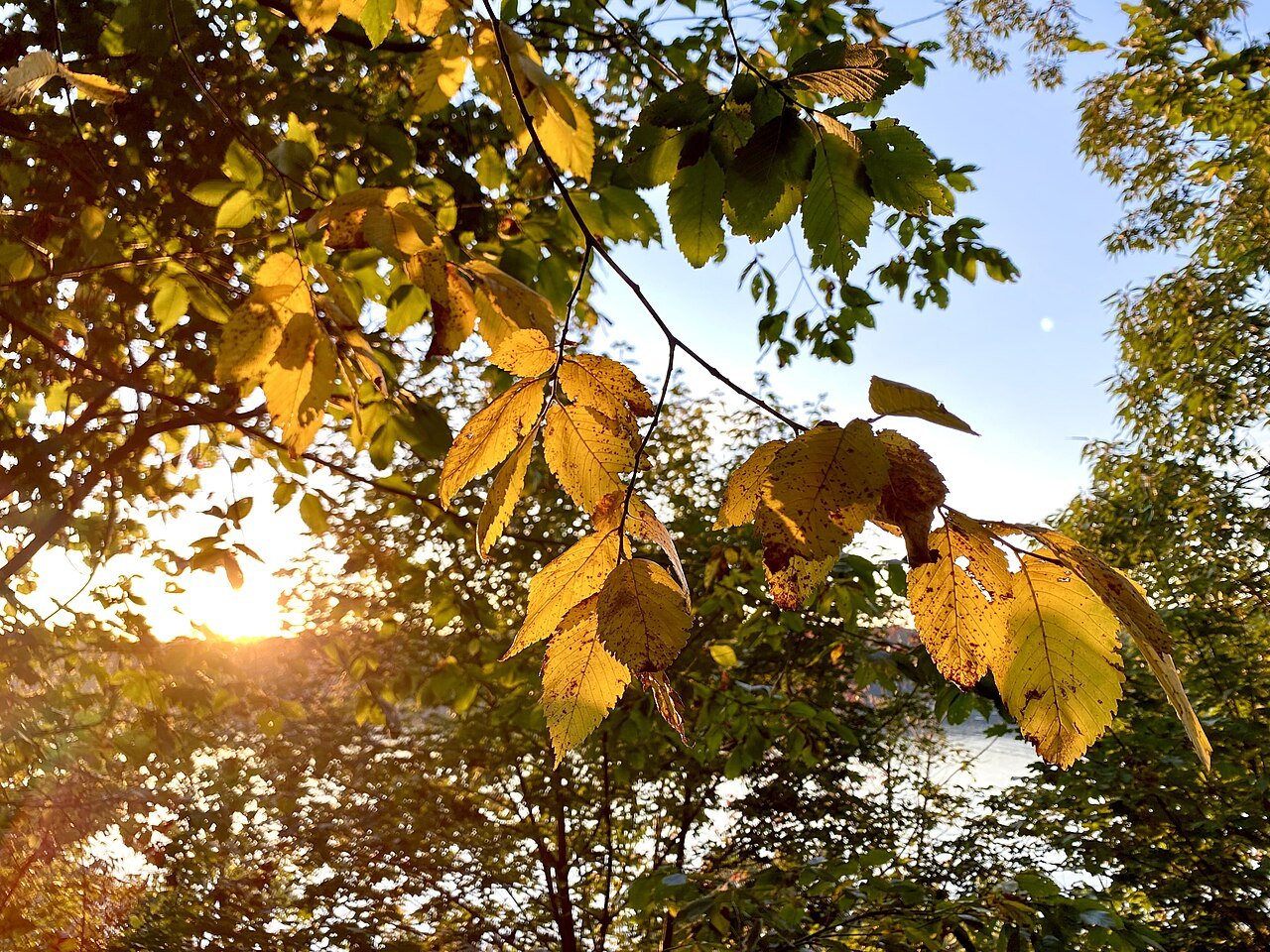
The approach to the main entrance is cobbled, with about sixty stairs up to the admissions desk, so visitors who need step-free access should ask for the free shuttle near the main entrance. It is worth confirming current arrangements directly with the museum, since routes and schedules can change.
Reaching the museum involves a long subway ride north from Midtown to the edge of Fort Tryon Park, followed by a walk uphill through the park itself, a climb worth the effort in any season. See Getting around for the route, and Booking ahead for how far in advance to plan.
Nearby
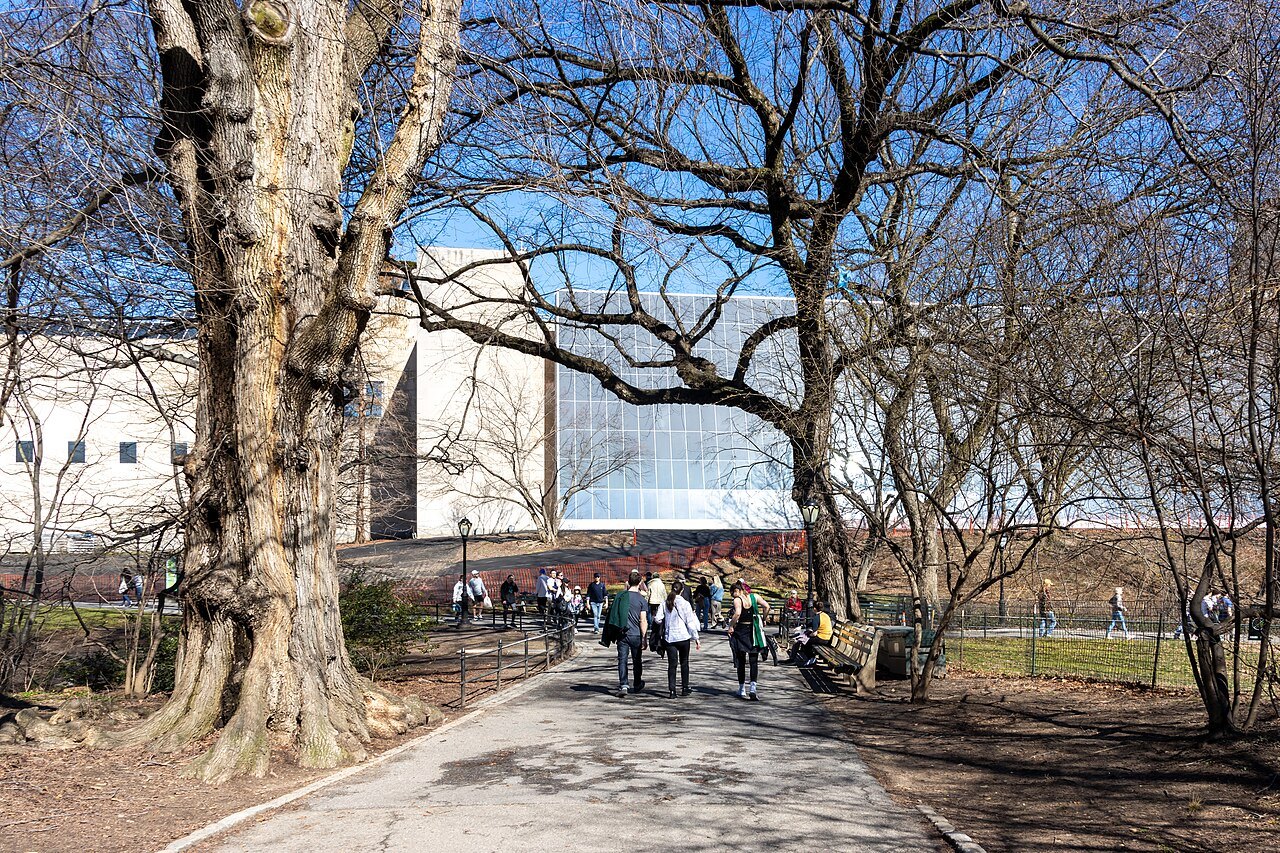
Fort Tryon Park and its gardens surround the museum, with paths that continue well beyond the cloisters themselves and reward exploring before or after a visit. Back downtown, the Met's main building stands on the edge of Central Park; see the Metropolitan Museum of Art for what else the same ticket unlocks.
A visitor planning a day that combines both branches of the Met should allow real time for travel between them, since the distance is considerable even by subway. Treat the Cloisters as a destination in its own right rather than a quick add-on to a Fifth Avenue morning.
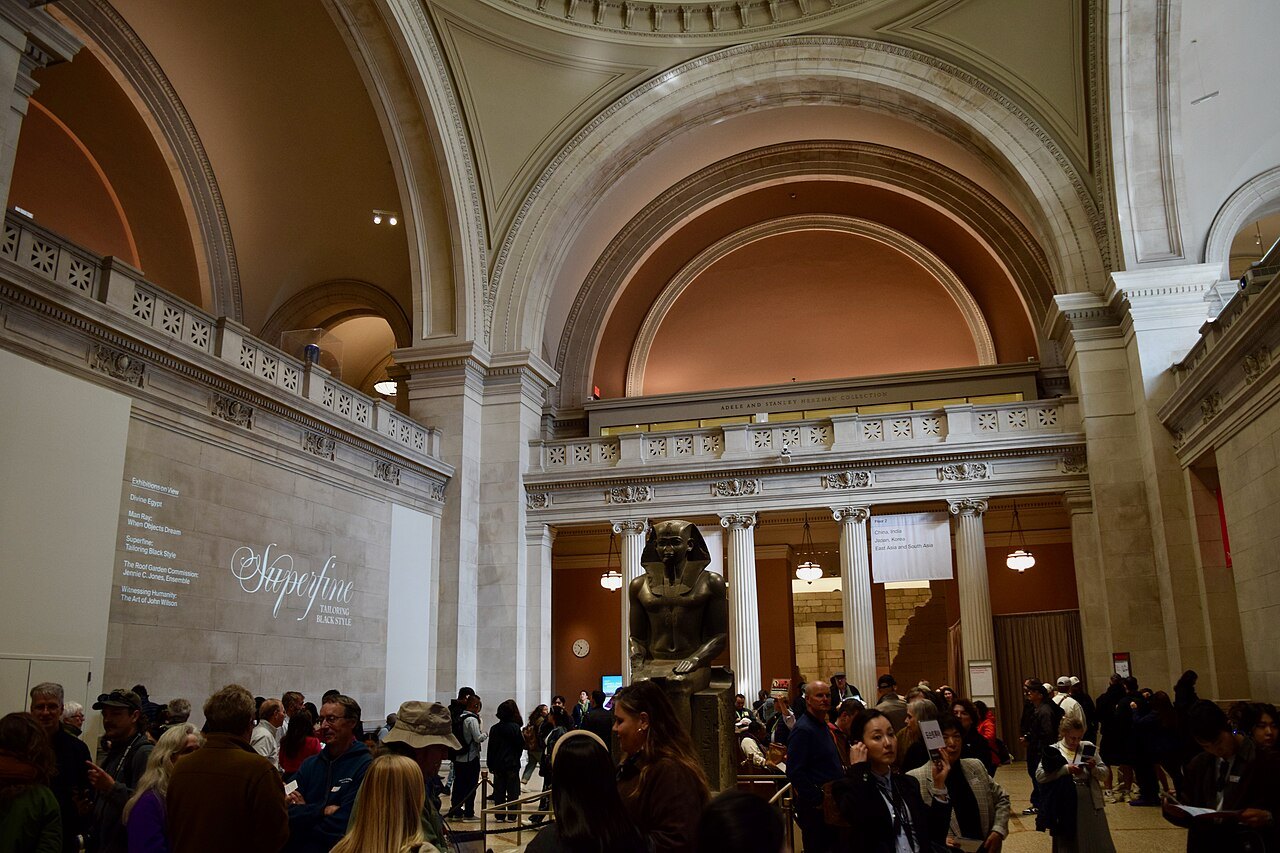
A visitor combining the Cloisters with other sights at the northern end of Manhattan might consult Neighborhoods for a sense of what Washington Heights and Inwood offer close by, since Fort Tryon Park extends well beyond the museum's own walls and rewards further walking.
Read next03
More from the journal
- The Metropolitan Museum of ArtHow did the Temple of Dendur come to New York?How a two-thousand-year-old Egyptian temple came to stand beside a reflecting pool inside the Met.Read the piece →
- The Metropolitan Museum of ArtHow do you see the Met in a single day?A practical plan for seeing the Met's vast collection in a single day, department by department.Read the piece →
- Getting AroundHow does the New York subway work for visitors?The subway runs all night, takes a tap of your bank card or phone, and reaches nearly everything on this site. How the lines are named, which platform to choose, the difference between local and express, how the fare cap works, and what changes at night and on weekends.Read the piece →