A GIFT FROM THE NILE01
How did the Temple of Dendur come to New York?
How a two-thousand-year-old Egyptian temple came to stand beside a reflecting pool inside the Met.
The answer in full02
Read on
A room built for a temple
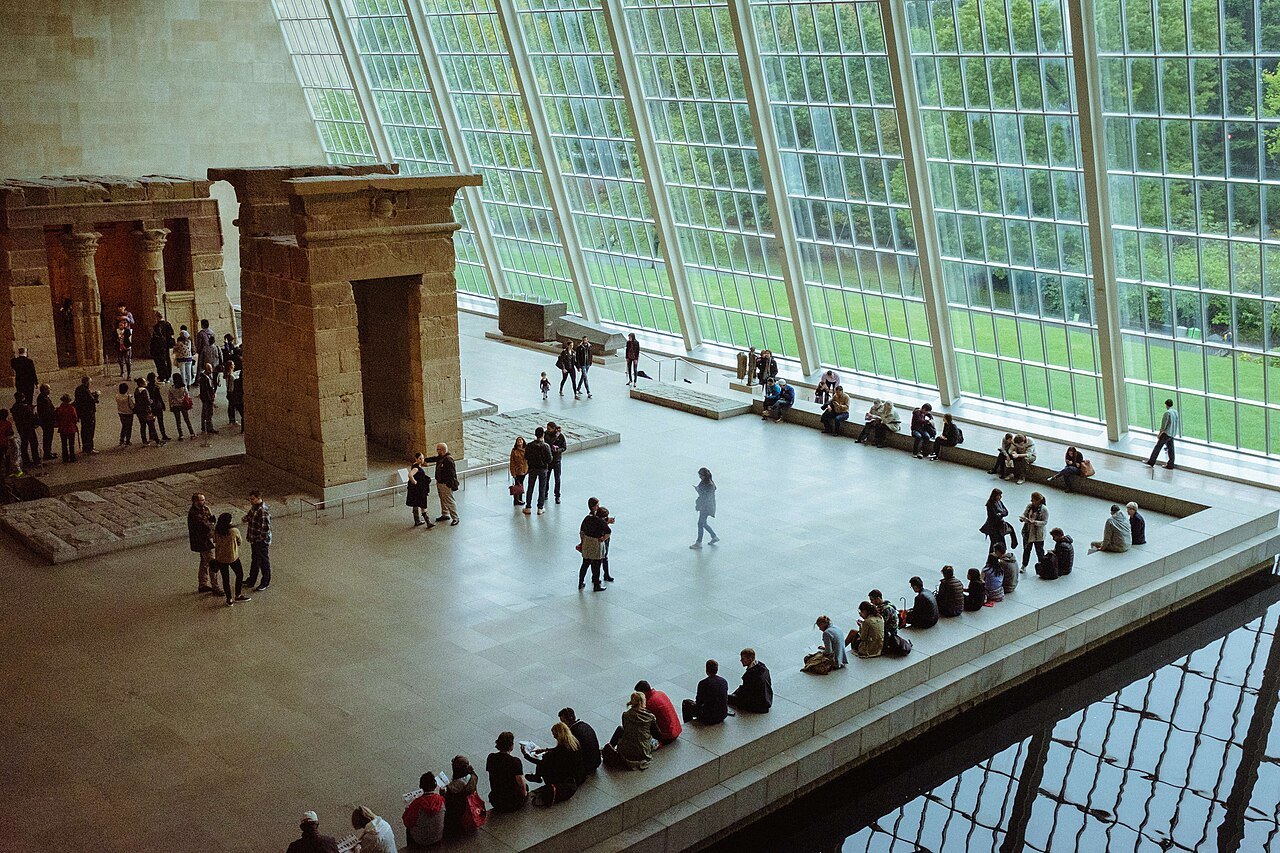
The Temple of Dendur stands at the far end of the Egyptian wing of the Metropolitan Museum of Art, inside a vast hall lit by a wall of windows that open onto Central Park, beside a long reflecting pool. The museum calls it its most enduring attraction, and one of the most extraordinary rooms in the city. Visitors who walk the length of the Egyptian galleries, reached by turning right from the Great Hall, arrive here last, after dozens of smaller rooms of carved and painted works.
Stone gateway and temple stand together on a raised platform, pale sandstone against the glass and the trees beyond. It is one of the few places in the museum where a complete ancient structure, rather than a fragment of one, can be walked around and taken in at a glance, rather than pieced together from separate rooms.
The wing that leads to it holds more than twenty-six thousand pieces of Egyptian art across forty galleries, nearly half of them found during the museum's own excavations between 1906 and 1941. The temple, set at the far end beside the pool, is usually the piece that visitors remember longest after they leave the building.
A temple built beside the Nile
The temple itself long predates the Met. It was built in Egypt, on the west bank of the Nile south of Aswan, under Roman rule, and dedicated to the goddess Isis and to two sons of a local Nubian ruler who had been raised to the rank of gods. It stood on that site for roughly two thousand years before it ever crossed an ocean.
For most of that time, the temple was a minor stop on a stretch of the Nile far south of Cairo, seen mainly by travelers heading deeper into Nubia. Its carved reliefs of pharaohs and gods, and the inscriptions cut into its stone, survived largely intact long after the rites they served had ended.
What eventually moved the temple two continents away was not age, nor a private collector, but a modern engineering project: a dam built across the Nile in the twentieth century that threatened to put the site, and a string of other ancient Nubian monuments, permanently underwater once the new dam was finished.
Saved from a rising lake
The Aswan High Dam, built across the Nile in the nineteen-sixties, created a vast reservoir, Lake Nasser, that rose over a stretch of Nubia dense with ancient temples and tombs. Dendur stood directly in the area the new lake would cover, along with monuments far larger than it, among them the great temples of Abu Simbel.
UNESCO organized an international campaign to record, dismantle and move the threatened monuments, either to higher ground nearby or to museums abroad, a rescue effort that drew financial and technical support from governments around the world, including the United States, across much of the nineteen-sixties and into the following decade.
In thanks for that American support, Egypt gave the Temple of Dendur to the United States as a gift in the nineteen-sixties. The gift eventually came to New York, to the Metropolitan Museum of Art, rather than to any of the other institutions that had also hoped to receive it.
A gift reassembled in New York
The temple did not travel whole. It had been taken apart stone by stone in Egypt, each block numbered, and shipped across the Atlantic to be reassembled rather than left in pieces in a storage yard somewhere closer to home, a fate that met some of the other rescued Nubian monuments.
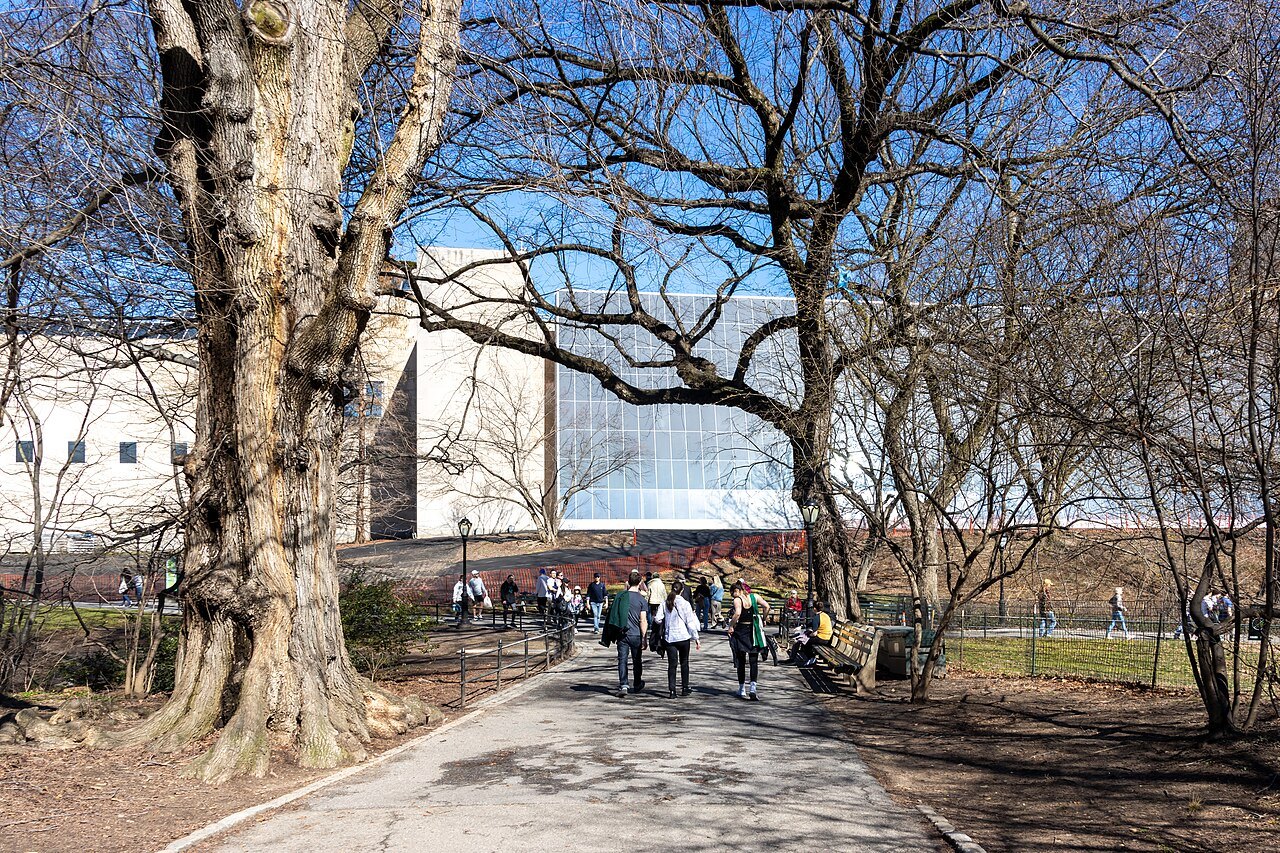
The Met built a new wing to receive it, with the glass walls that form the museum's modern sides and rear, facing Central Park, designed by the architectural firm Roche-Dinkeloo. The glass lets daylight and a view of the park's trees fall across the stone, echoing the open setting the temple once had on the Nile.
The new Egyptian wing, with the temple at its far end beside the reflecting pool, opened to the public in the late nineteen-seventies, more than two thousand years after the temple was first built and roughly a decade after it left Egypt, a span that visitors standing by the pool rarely stop to add up.
What you see today
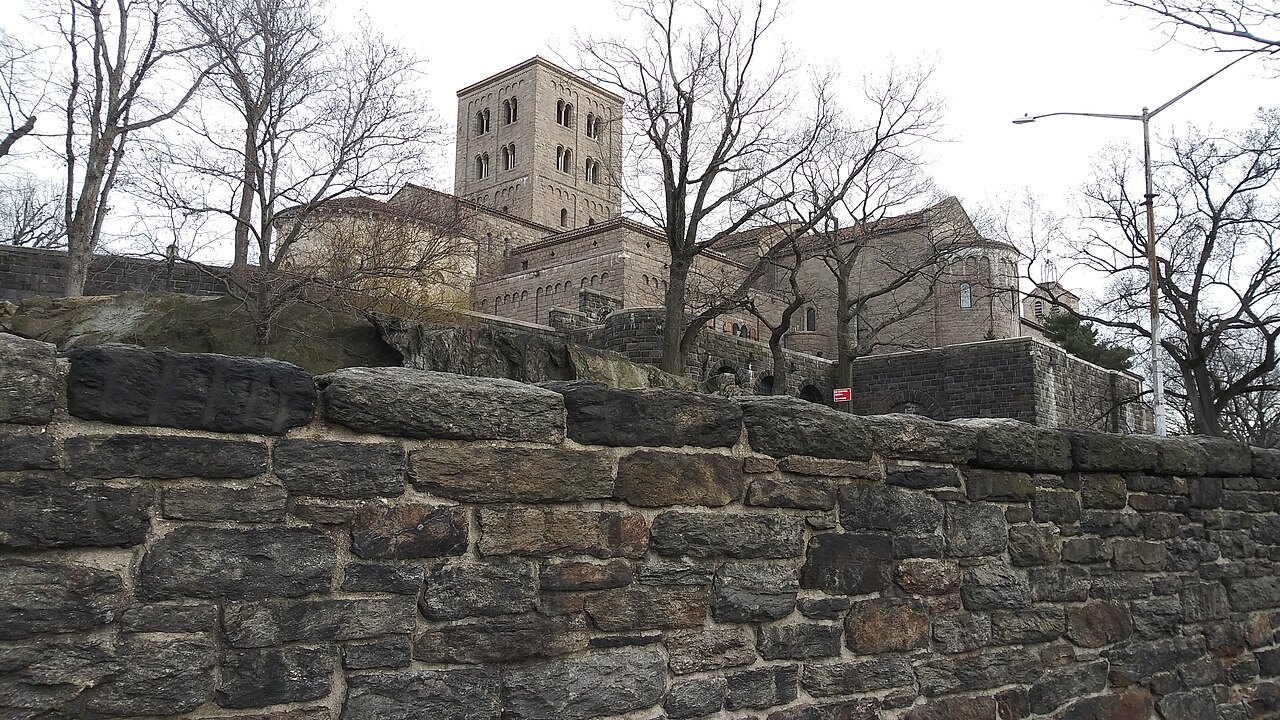
Visitors approach the temple across the open floor of the hall, past the reflecting pool that stands in for the Nile, and climb a few steps onto the platform where the gateway and the temple itself stand side by side, much as they once stood on the riverbank in Egypt.
Carved reliefs cover the outer walls, showing pharaohs making offerings to Isis and to the two local figures the temple also honored. Later visitors, travelers and soldiers among them, scratched their own names into the stone over the centuries, marks the Met has kept rather than erased, treating them as part of the temple's long history rather than as damage.
The wall of windows behind the temple changes the room through the day, turning the stone gold as the light outside shifts; how late that light lasts depends on the museum's hours, which change, so visitors should check the Met's own site before planning when to go, especially for an evening visit.
How to visit
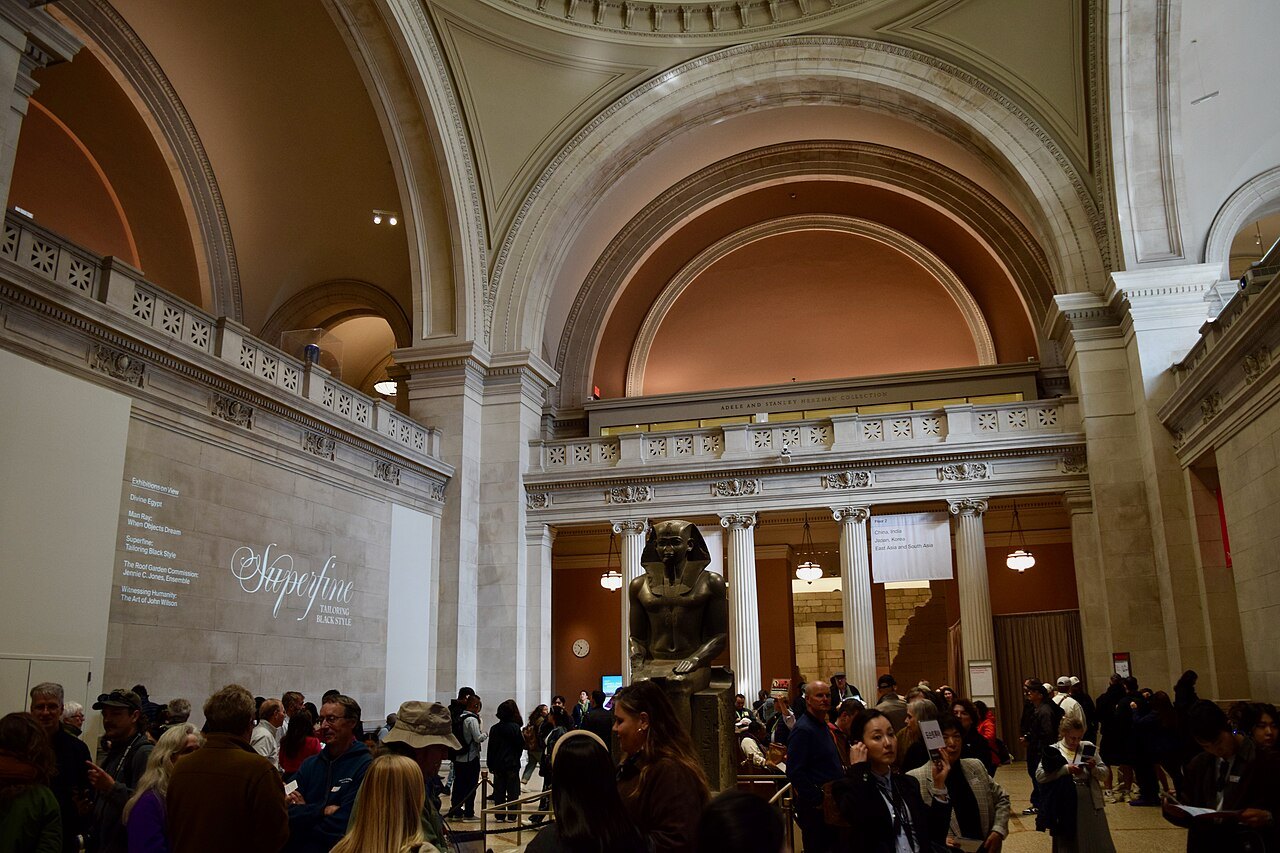
To find the temple, enter the museum at the Great Hall from Fifth Avenue and turn right along the ground floor; the Egyptian wing runs the length of that side of the building, with Dendur waiting at its far end beside the pool, past galleries of smaller Egyptian pieces worth slowing down for on the way.
Admission works on two tracks: visitors from outside New York State pay a fixed charge, while New York State residents and students from New York, New Jersey and Connecticut pay what they wish. Tickets can be bought online, which lets visitors walk straight to a gallery entrance, though booking ahead is not required; see booking ahead for which sights are worth reserving in advance.
Step-free entrances are at Eighty-first Street and Fifth Avenue and through the garage at Eightieth Street, and the museum offers free tours and a free digital guide through an app. Galleries close in turn for renovation, so check the Met's own list of closed galleries before setting out for the temple.
Nearby: another journey from Egypt
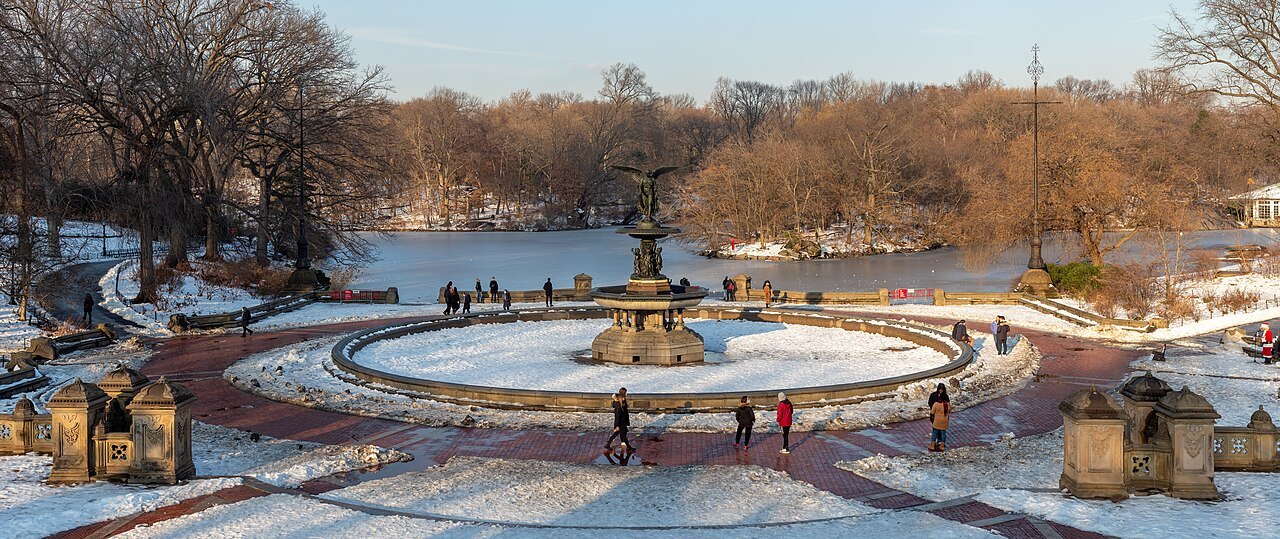
The Temple of Dendur is not the only ancient Egyptian monument near this stretch of the city. Cleopatra's Needle, an obelisk that also traveled to New York from Egypt, stands just behind the museum inside Central Park, within an easy walk of the Fifth Avenue entrance, making a short walk that pairs two different stories of how Egyptian monuments ended up in Manhattan.
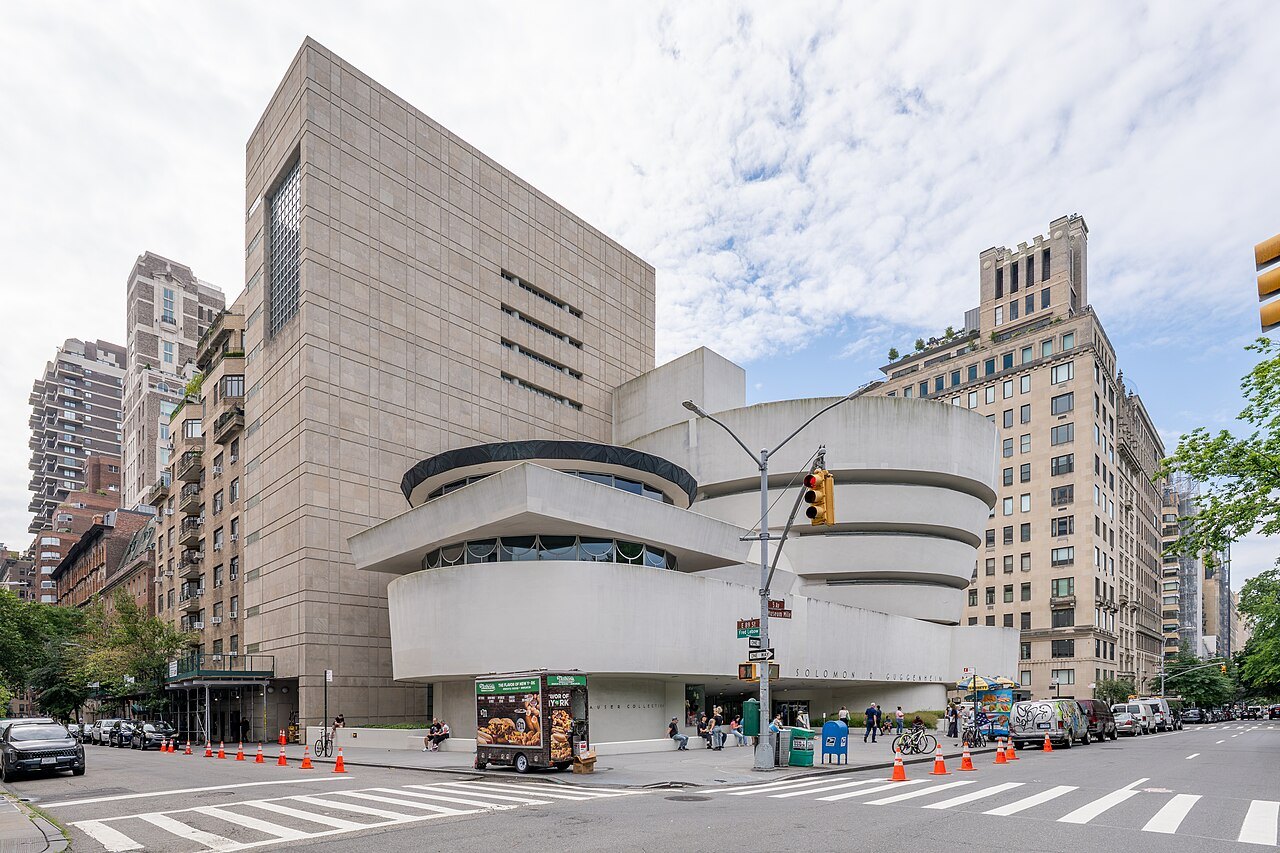
Further afield, Museum Mile continues north along Fifth Avenue to the Guggenheim, one of several museums that make the stretch between Central Park and the avenue worth a slow walk rather than a single stop, for anyone who still has an afternoon left after the Egyptian wing and the temple.
Visitors moving between these points can walk through Central Park itself rather than back out onto Fifth Avenue, a route that avoids retracing the same stretch of sidewalk twice on a single afternoon.
Read next03
More from the journal
- The Metropolitan Museum of ArtHow do you see the Met in a single day?A practical plan for seeing the Met's vast collection in a single day, department by department.Read the piece →
- Central ParkWhat was Seneca Village, and why did it disappear?How a majority-Black settlement on the future park's land was cleared by eminent domain to build Central Park.Read the piece →
- The Brooklyn BridgeCan you walk across the Brooklyn Bridge?Yes, on a raised promenade between the roadways that is now for people on foot alone. Which way to walk, where to start and finish, how long it takes, when it is least crowded, and what to do in Brooklyn at the far end.Read the piece →