THE SETTLEMENT CENTRAL PARK REPLACED01
What was Seneca Village, and why did it disappear?
How a majority-Black settlement on the future park's land was cleared by eminent domain to build Central Park.
The answer in full02
Read on
Before the park
The Commissioners' Plan of 1811 laid out Manhattan's street grid but left no room for a large park; a single surveying bolt from that survey is still embedded in a rock north of the Dairy, marking where West 65th Street would have crossed Sixth Avenue. By the 1840s the city was growing fast enough that its leading citizens began to call for open space, and in 1853 the city approved the park that would become Central Park.
The site chosen for the park's 843 acres was not empty ground. It was rocky and swampy, and before Olmsted and Vaux began shaping it, people were already living there. Among them was Seneca Village, a majority-Black settlement that stood on land that would become part of the park's interior.
When the city approved the park in 1853, it also set in motion the legal process of eminent domain, by which a government may take private property for public use in exchange for compensation. That process reached everyone on the site, including the residents of Seneca Village, whose homes were ultimately razed to make way for the new landscape.
A settlement called Seneca Village
Of the settlements displaced to build Central Park, Seneca Village is the one most remembered today. It was a majority-Black community, and like the park's other residents, its people were removed under eminent domain and its homes were razed to clear the ground for Olmsted and Vaux's new design for the park.
The sources for this guide do not give a population figure, a founding date or a list of institutions for Seneca Village, so this article does not invent them. For documented detail, ask at one of the park's visitor centers, among them Belvedere Castle, the Dairy and the center at Columbus Circle, what records the Central Park Conservancy holds on the site's history.
What can be said is that Seneca Village stood among several communities cleared from the land, and that its disappearance was tied directly to the decision in 1853 to build a park at all. Its story belongs to the layer of Manhattan history that lies under the lawns and paths most visitors walk across without knowing it is there.
Eminent domain and removal
Eminent domain is the legal power that allows a government to take private property for a public purpose, paying the owner in exchange. New York used it to assemble the land for Central Park, and because the land was privately held by many small owners and tenants, the process touched every household on the site, not only those with formal title.
Once title passed to the city, the buildings that had stood on the site, homes, outbuildings, whatever infrastructure existed, were razed to clear the ground. Construction began soon after the land was cleared, and the first finished feature, the Lake, opened in December 1858, only five years after the city approved the park in 1853.
The park as a whole took far longer: Frederick Law Olmsted and Calvert Vaux won the design competition in 1858 with their Greensward Plan, and the full park was not finished until 1876. Over those years the traces of the former settlements, Seneca Village among them, were buried under new topsoil, planting and paths.
Building over the site
Almost nothing in today's Central Park is natural. The hills, lakes and woods were all shaped by hand, topsoil was carted in by the ton because the original soil could not support the trees in Olmsted and Vaux's plan, and the eight lakes and ponds were made by damming natural streams and seeps.
That scale of earthmoving is part of why so little visible trace of Seneca Village survives. The Greensward Plan treated the whole site as raw material to be reshaped, and the settlement's houses, yards and streets were absorbed into lawns, paths and plantings along with the rest of the landscape that existed before the park.
A visitor standing on an open lawn or walking a quiet path in the park's interior has no way to tell, without a marker or a guide, whether that ground once held a house or a street. For what, if anything, identifies the site today, ask at one of the park's visitor centers.
A second displacement
Seneca Village was not the only settlement displaced to build a feature of Central Park. Robert Moses laid out the Great Lawn, visible from the terraces of Belvedere Castle, on the site of a shantytown that had grown up there during the hard years of the Depression in the 1930s.
The two episodes sit decades apart, one tied to the founding of the park in 1853, the other to the Depression of the 1930s, but together they show a pattern: at more than one point in its history, ground that is now an open lawn or a quiet meadow was home to people the city moved on to build or rebuild the park.
Neither site is marked in a way a passing visitor is likely to notice, so anyone curious about this layer of the park's past should treat its lawns and meadows as built ground with a history under the grass, and ask at a visitor center for anything documented beyond what a guidebook can responsibly state.
Visiting the site
Seneca Village stood in what is now the park's interior, an area long since reshaped by the Greensward Plan's lakes, paths and plantings. No structure from the settlement remains above ground, and the clearest way to approach its history on a visit is to start where most first-time visitors do, at Grand Army Plaza, and follow the walking route described in Central Park.
Because the sources behind this guide do not list a memorial, marker or walking tour dedicated to Seneca Village, ask at one of the park's five visitor centers, among them Belvedere Castle, the Dairy and the center at Columbus Circle, what the Central Park Conservancy has in place to mark the site, since that kind of exhibit or program can change.
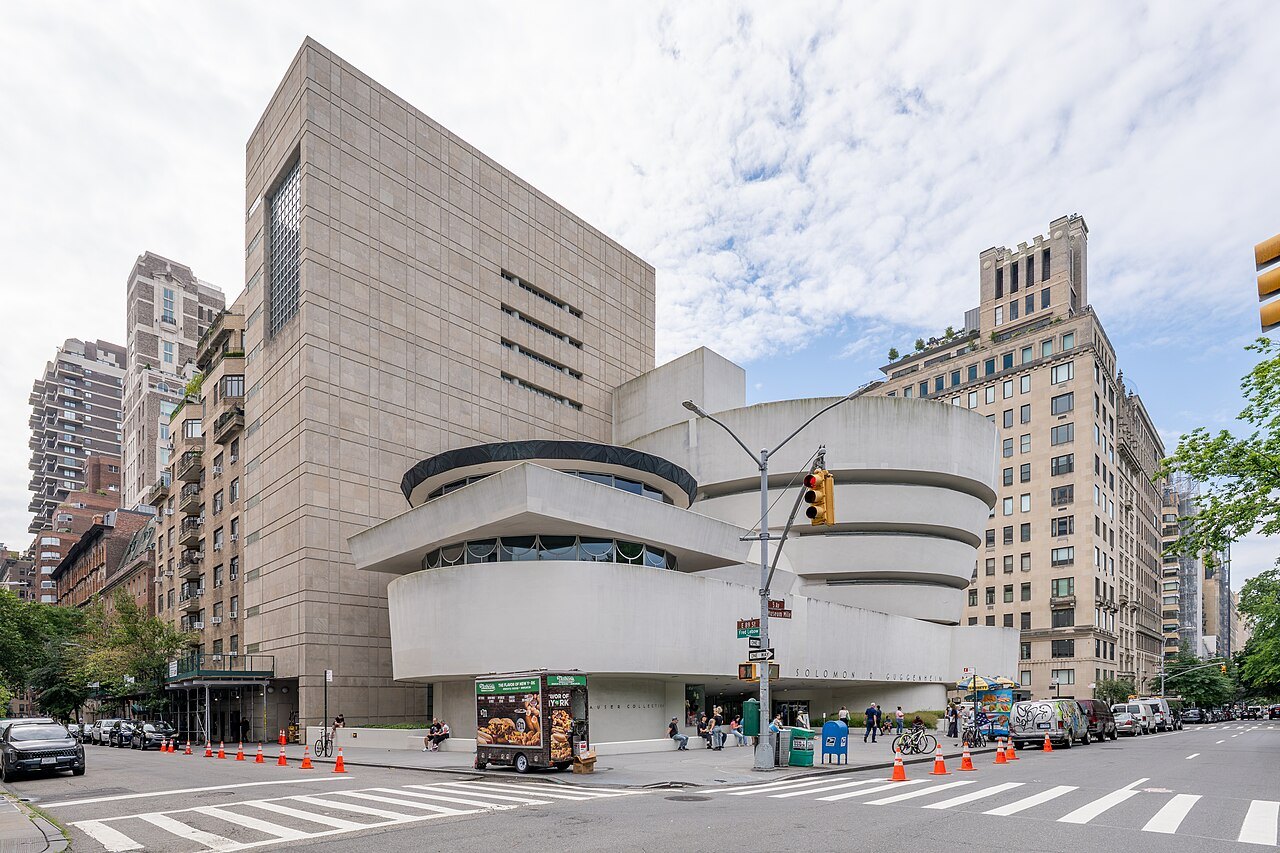
The park sits beside two of Manhattan's major museums, the Metropolitan Museum of Art on Fifth Avenue and the Guggenheim Museum at the corner of 89th Street, both an easy stop before or after a walk through the park's interior; see the Met's own page for practical details on visiting either museum's collection.
For the best season and time of day to visit Central Park, see when to come, which also covers the subway lines that run along both edges of the park, including those that stop along the south edge at 59th Street, and the general pattern of hours the Conservancy posts for the park as a whole.
Why it matters for a visitor
For a visitor walking through Central Park's manicured lawns and curated views, the park can look like an unbroken piece of nature that has always been there. Seneca Village's disappearance is a reminder that the park is a built landscape with a human history underneath it, no less engineered than the Manhattan grid it interrupts.
That history sits alongside other stories of clearance and disappearance in Manhattan, where new construction has repeatedly erased what stood before it. Central Park's missing village is one example among several the guide's journal articles explore, for visitors who want the pattern across the island rather than a single park.
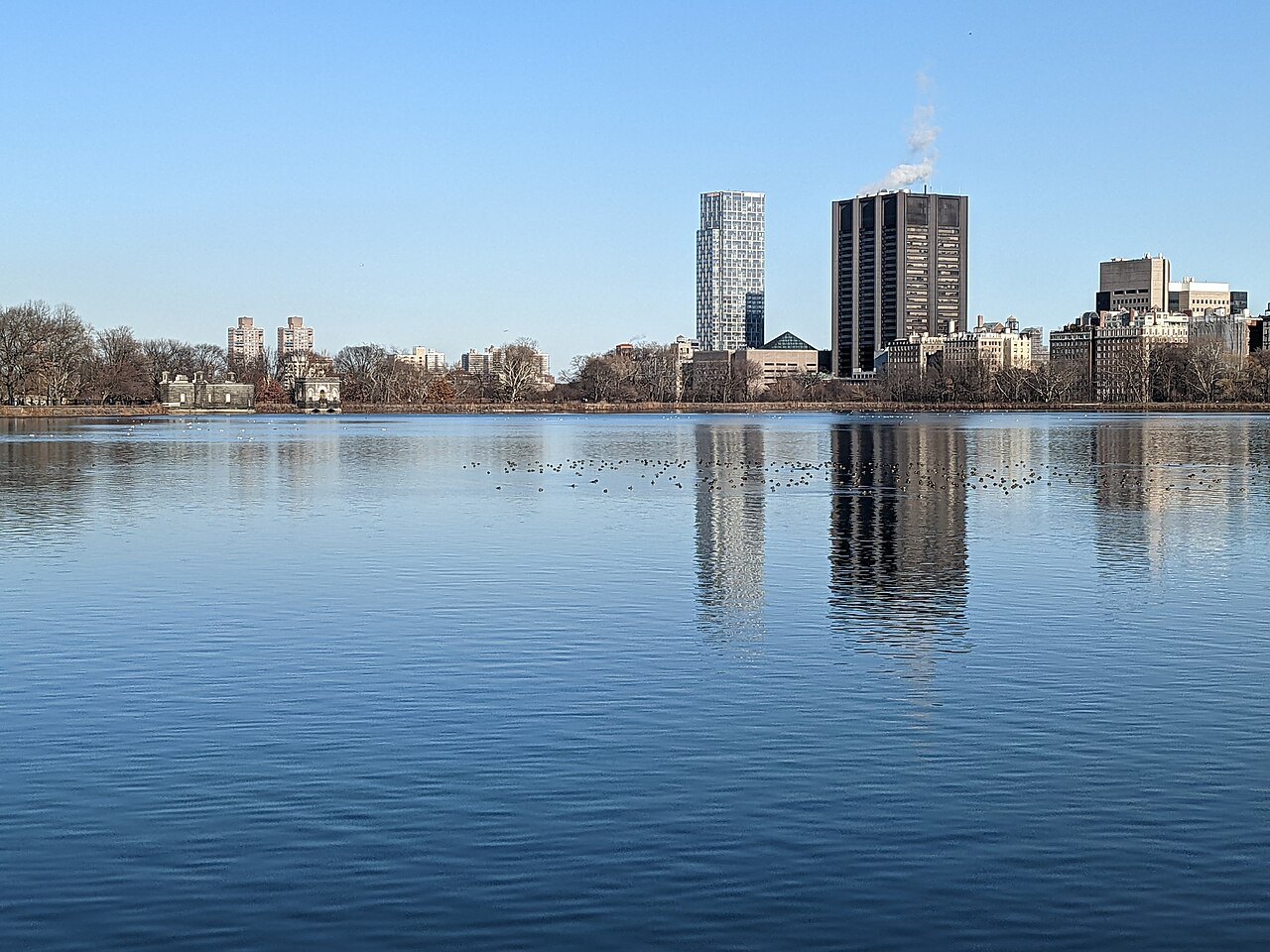
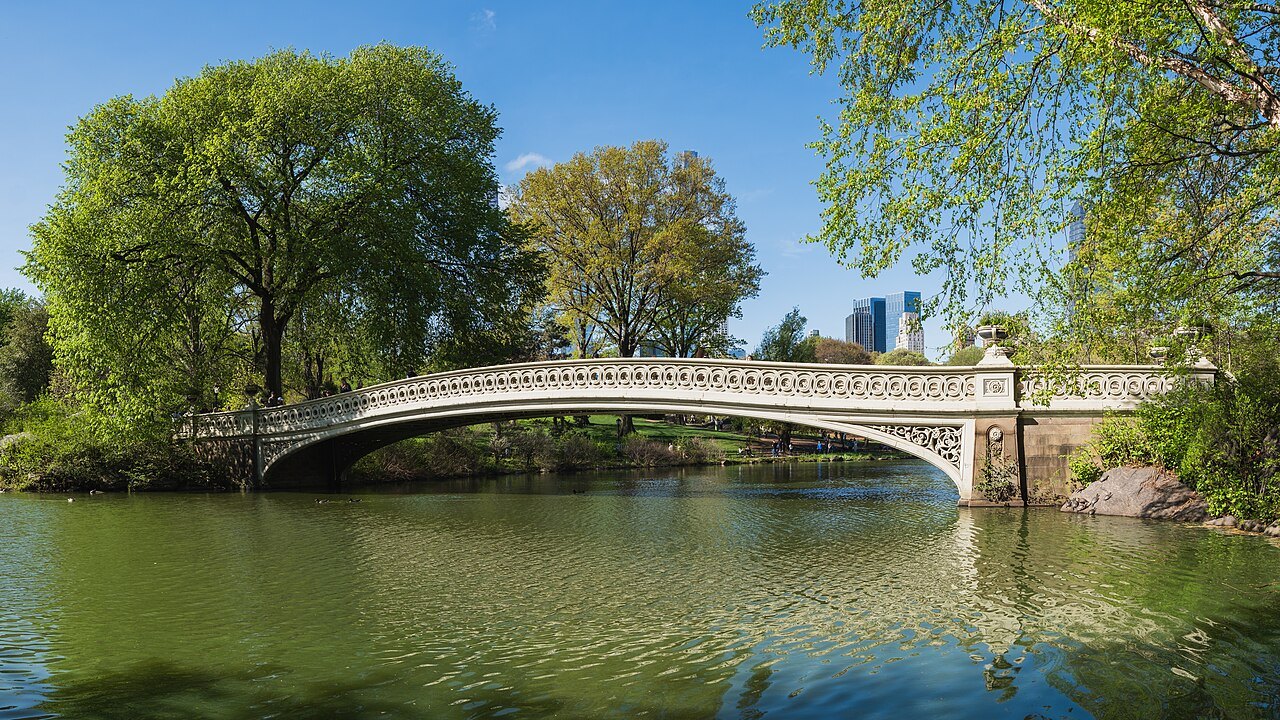
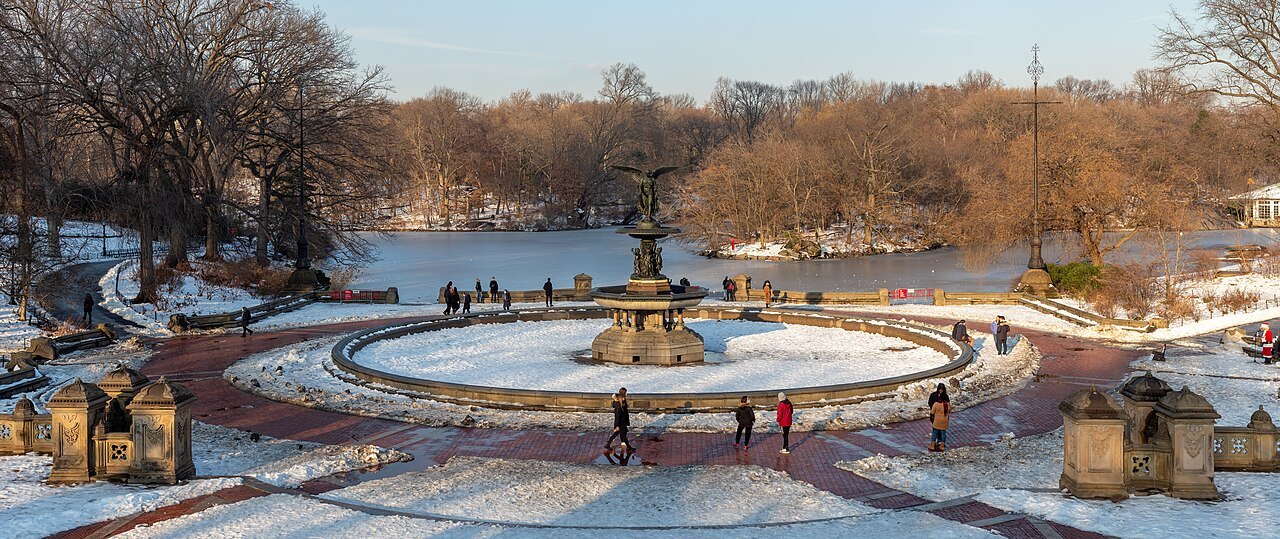
None of this changes how to enjoy a walk through the park itself: the suggested route from Grand Army Plaza up the Mall to Bethesda Terrace, across Bow Bridge and through the Ramble to Belvedere Castle still works for a first visit. It only changes what a visitor might notice on the way, and what questions are worth asking at a visitor center along the route.
Read next03
More from the journal
- Getting HereWhat happened to the old Penn Station?New York once had a railroad station modeled on the baths of ancient Rome. Why it was torn down in the 1960s, where its sculptures went, how its loss saved Grand Central, and where you can still feel something of it today.Read the piece →
- Wall Street and Trinity ChurchWhat is left of Dutch New Amsterdam in Lower Manhattan?What survives of New Amsterdam along Wall Street, from a vanished wall to a park that outlived the fort beside it.Read the piece →
- The Brooklyn BridgeCan you walk across the Brooklyn Bridge?Yes, on a raised promenade between the roadways that is now for people on foot alone. Which way to walk, where to start and finish, how long it takes, when it is least crowded, and what to do in Brooklyn at the far end.Read the piece →