A LOST MASTERPIECE, AND THE HALL ACROSS THE AVENUE01
What happened to the old Penn Station?
New York once had a railroad station modeled on the baths of ancient Rome. Why it was torn down in the 1960s, where its sculptures went, how its loss saved Grand Central, and where you can still feel something of it today.
The answer in full02
Read on
The short answer
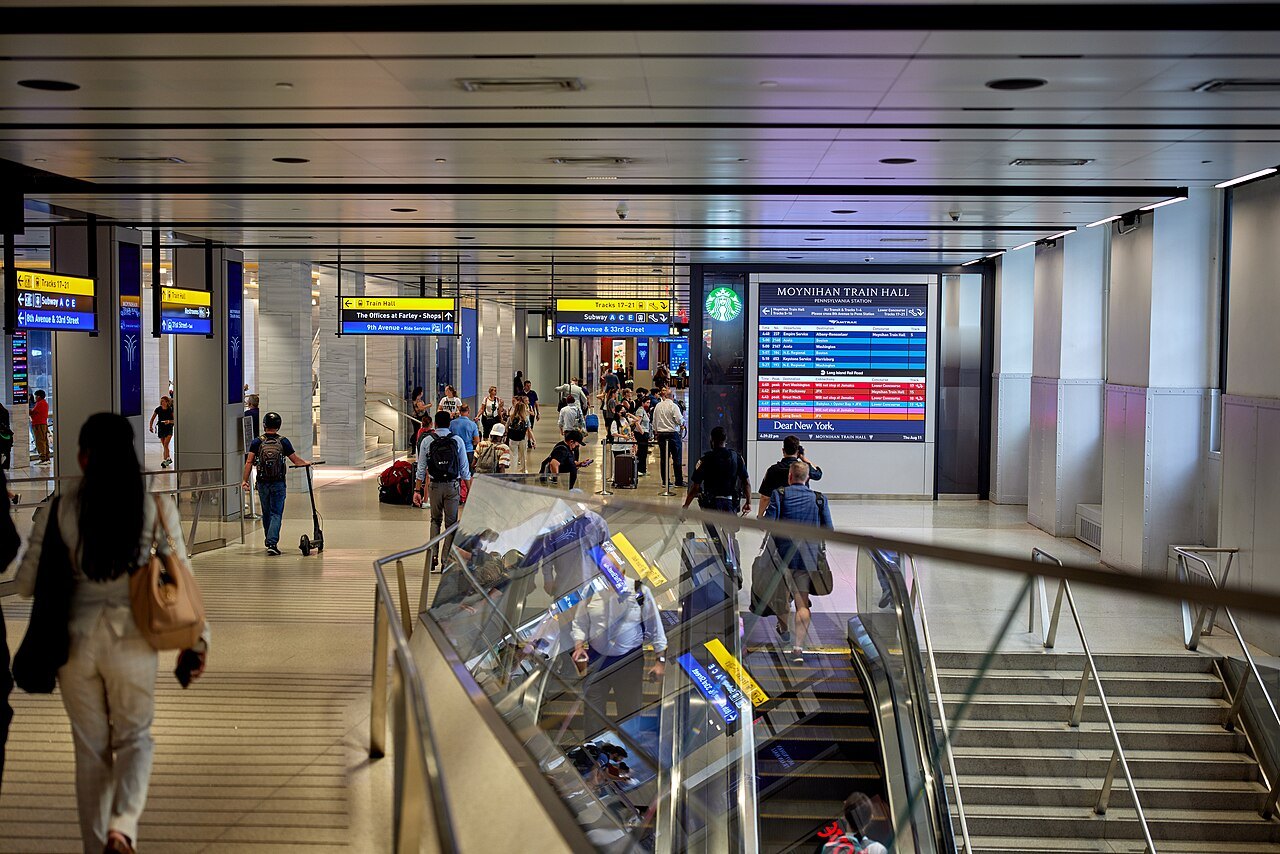
The original Pennsylvania Station, completed in 1910 and one of the great buildings of New York, was demolished between 1963 and 1966. Its tracks and platforms were left in place underground, and on top of them the railroad built an office complex and the present Madison Square Garden. The low, crowded station you pass through today is what was made of the old underground concourses.
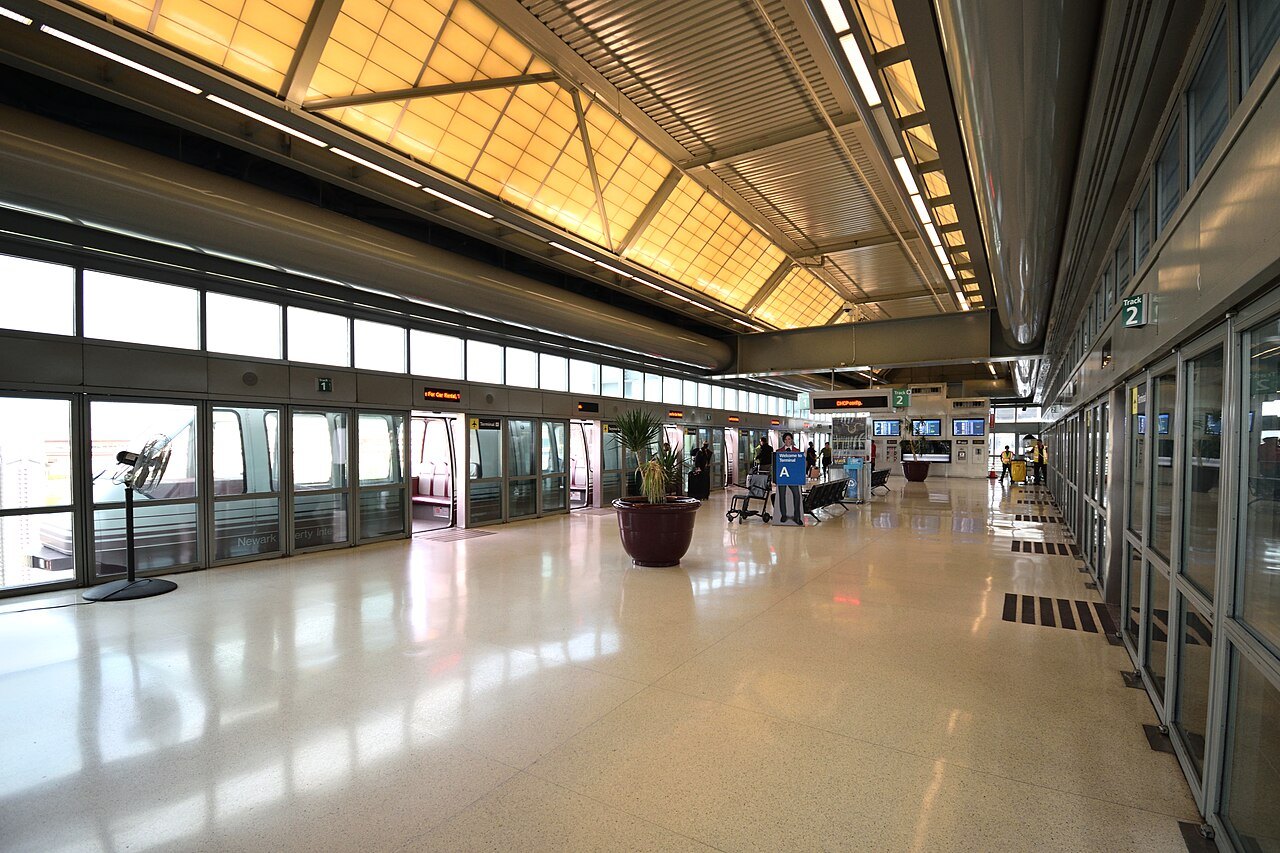
The loss caused an outcry that changed the city. It launched the modern historic preservation movement in America, led to New York's landmarks law, and saved Grand Central from the same fate. Since 2021, travelers have had a grand way into Penn Station again, through Moynihan Train Hall, across Eighth Avenue.
A tunnel under the Hudson
Until the early twentieth century, the Pennsylvania Railroad's lines from the south and west ended on the far side of the Hudson River, at Jersey City, and passengers bound for Manhattan finished their journey by ferry. In 1901 the railroad's president, Alexander Cassatt, announced that it would tunnel under the Hudson and build a grand station on the West Side of Manhattan, south of 34th Street.
The station, completed in 1910, filled an eight-acre site between Seventh and Eighth Avenues and 31st and 33rd Streets, and for the first time it gave trains from the south a direct route into New York. Beneath it, eleven platforms served twenty-one tracks, much as they still do.
The building
The architects were McKim, Mead and White, and the station they designed was considered a masterpiece of the Beaux-Arts style and one of the great architectural works of the city. Its exterior was lined with colonnades of massive unfluted columns in the Doric manner, modeled on the monuments of ancient Athens, and its main waiting room took its inspiration from the great public baths of Rome, those of Caracalla, Diocletian and Titus.
It was one of the first stations with separate waiting rooms for arriving and departing passengers, and when it was built these were among the largest public rooms in the city. Inside, a long arcade of shops led from Seventh Avenue toward the waiting room, and at its western end a statue of Alexander Cassatt stood in a niche above a flight of stairs forty feet wide. Stone sculptures stood around the outside, among them allegorical figures of Day and Night by Adolph Alexander Weinman, and twenty-two stone eagles watched over the entrances.
Why it was torn down
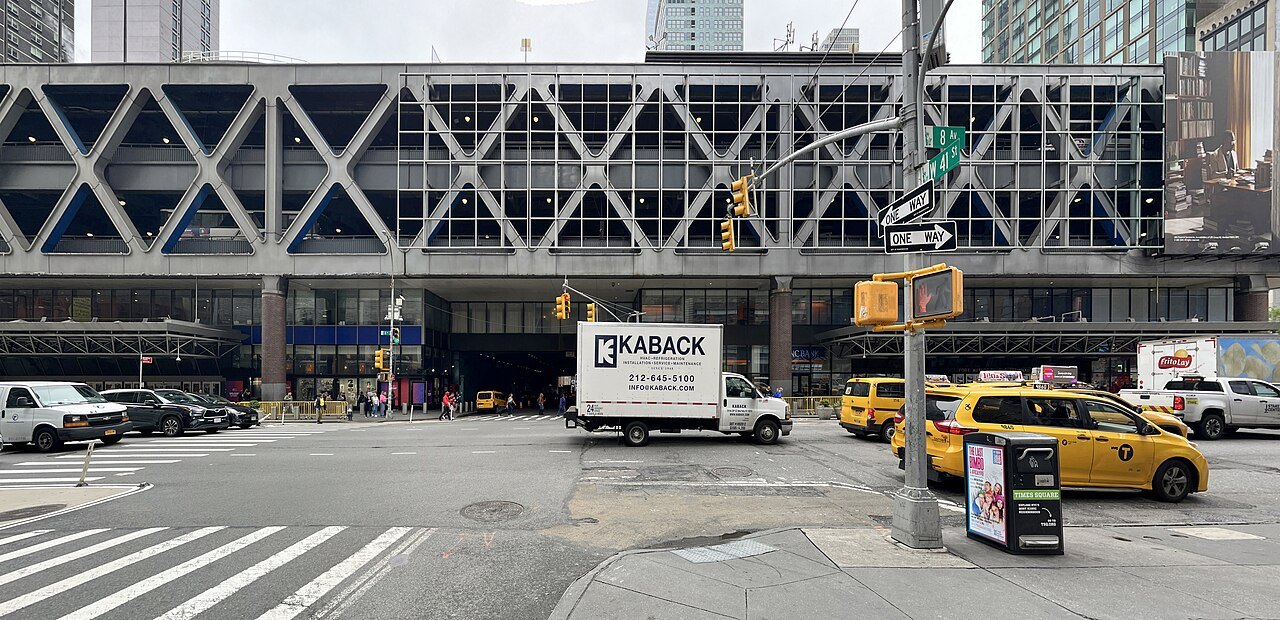
After the Second World War, train travel declined, and the railroad struggled to pay for its huge building. In the 1950s it sold the air rights above the station, and an earlier renovation had already covered some of the great columns and blocked the main hallway with a modern ticket office. In 1962 plans were announced for an office complex, Penn Plaza, and a new Madison Square Garden on the site, with the station shrunk into the space underground.
Architects protested, and The New York Times called the demolition a monumental act of vandalism, but nothing stopped it. The head house and train shed came down from 1963, and over the next years the underground concourses were rebuilt as the station that survives today, with the arena and offices on top. The contrast was summed up by the Yale architectural historian Vincent Scully: "One entered the city like a god; one scuttles in now like a rat."
Where the pieces went
Much of the old station was simply thrown away. Many of its architectural elements were lost or dumped in the New Jersey Meadowlands, and a newspaper photograph of Weinman's sculpture Day lying in a landfill there became one of the images of the loss. Some pieces were saved: all fourteen of the larger freestanding stone eagles have been traced, and a few fragments survive around the city and on the mezzanine of the present station.
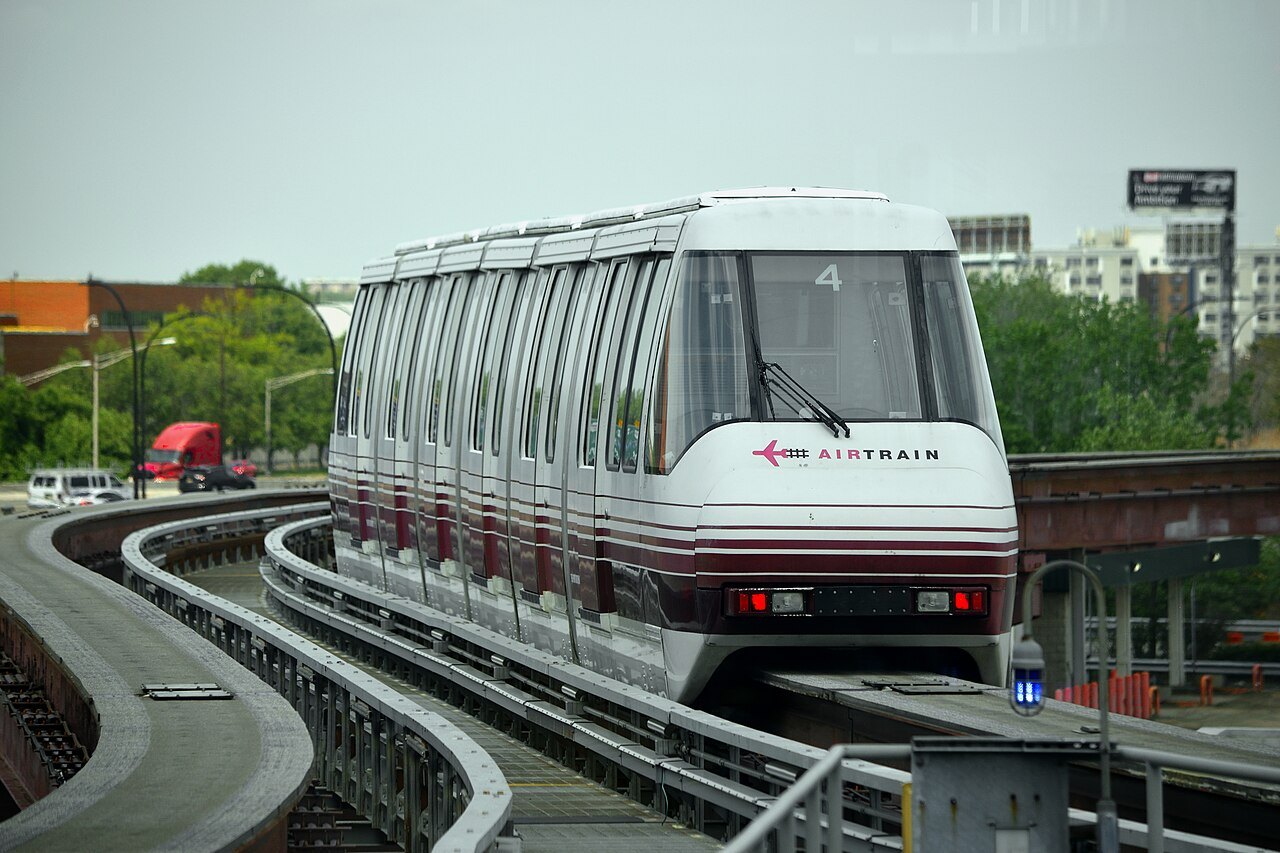
Below ground, the platforms and tracks of 1910 remain in use, and they, with a few scattered artifacts on the mezzanine above them, are all that survives of the building in place.
The station that was saved
The loss of Penn Station was the shock that created New York's preservation movement. Within a few years the city had a landmarks preservation law, and when the owner of Grand Central proposed an office tower that would have replaced or overshadowed its Main Concourse, the law protected it. The owner challenged the law all the way to the courts, and in 1978 the protection was upheld. Jacqueline Kennedy Onassis was among the New Yorkers who campaigned to save the terminal.
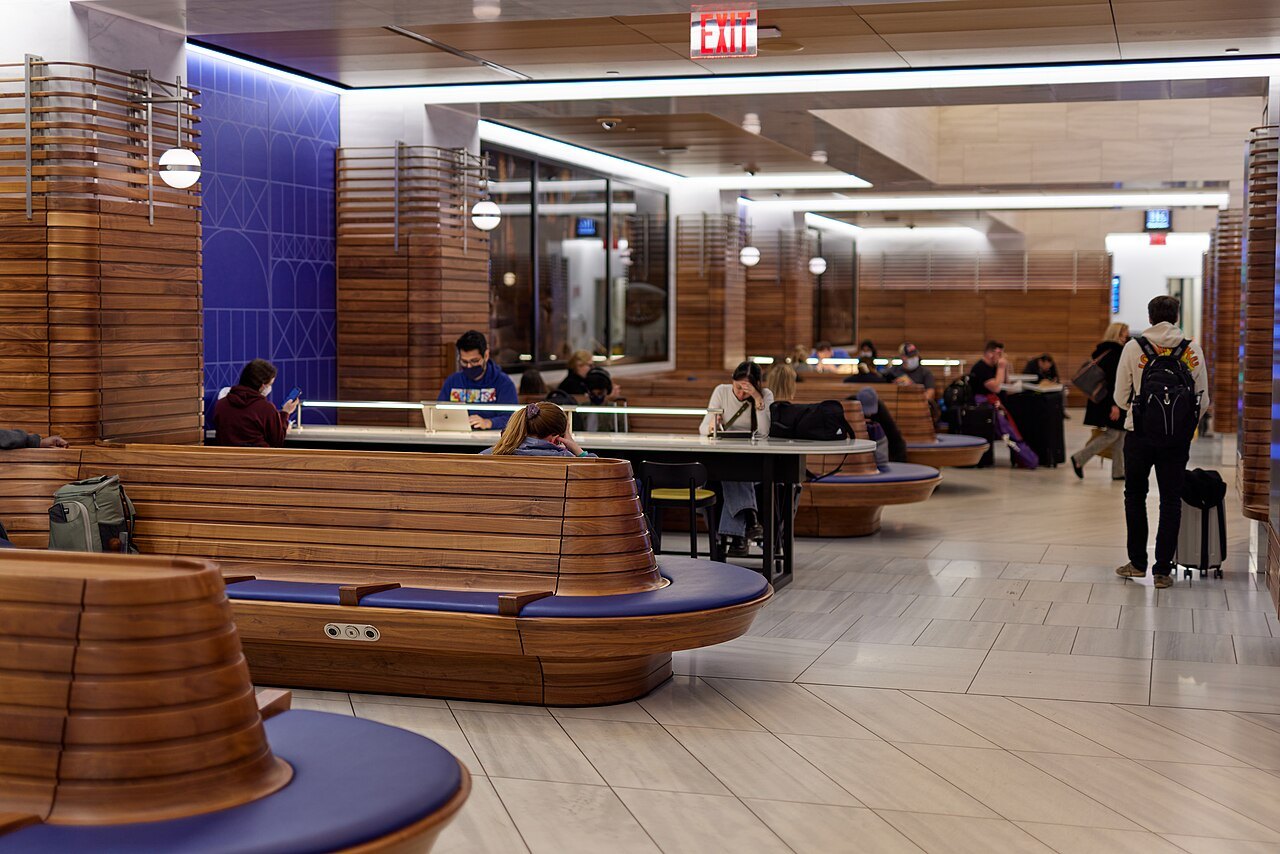
That is why Grand Central still stands, with its painted ceiling and its brass clock, while Penn Station survives only in photographs.
Rebuilding Penn Station
As train travel returned in the late twentieth century, the underground station under Madison Square Garden was pushed beyond its capacity, and for decades there have been proposals to rebuild it, often described as a way of correcting the mistake of the 1960s. In 2016 the state announced both the new train hall in the Farley Building and a plan to redevelop the station under the Garden. The train hall was built; the larger rebuilding was still far from finished a quarter of a century after it was first proposed, with competing ideas about what to do with the arena on top.
Moynihan Train Hall
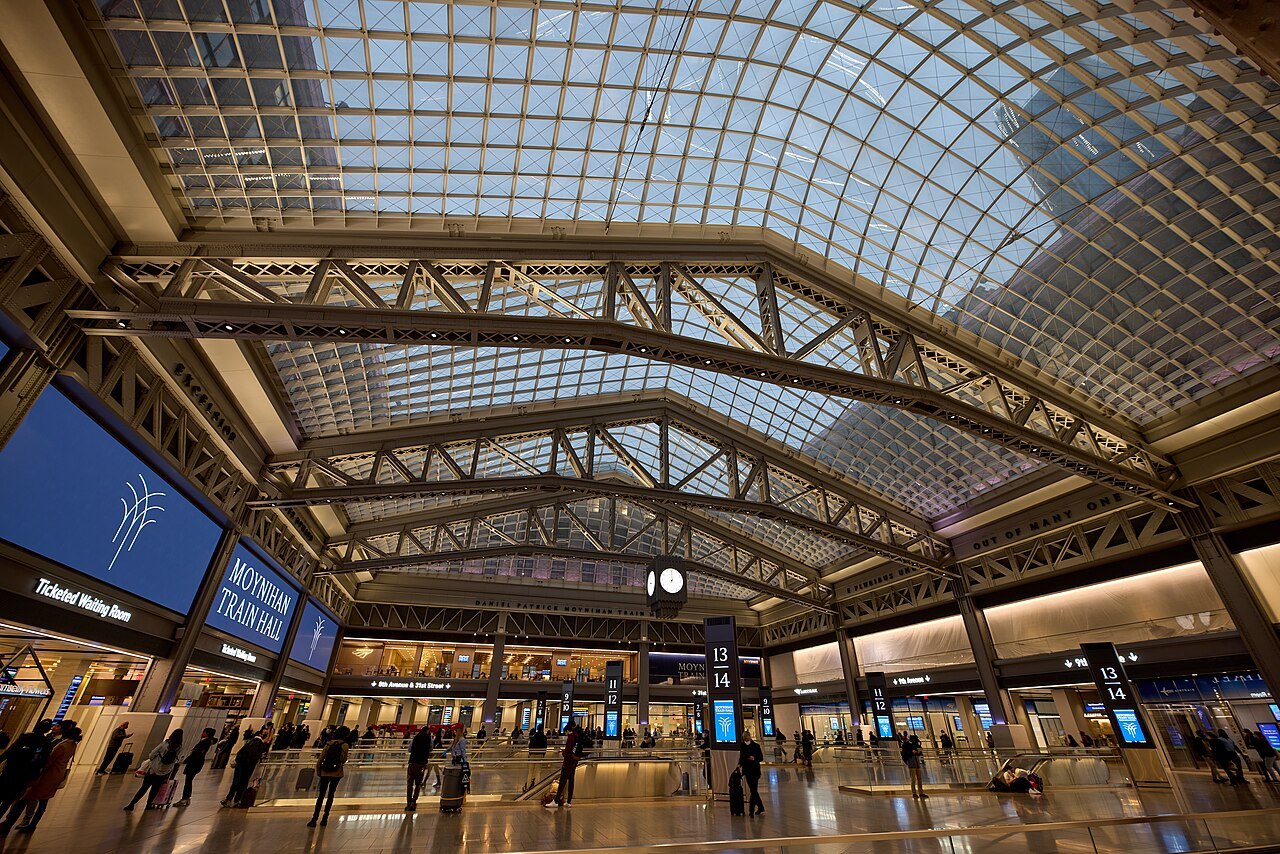
The nearest thing to the old station today is directly across Eighth Avenue. The railroad persuaded the government to build its main post office there, and McKim, Mead and White designed it too, in the same Beaux-Arts style, to face the station. That building, the James A. Farley Building, has been turned into Moynihan Train Hall, which opened on January 1, 2021, and now serves most of Penn Station's platforms for Amtrak and the Long Island Rail Road.
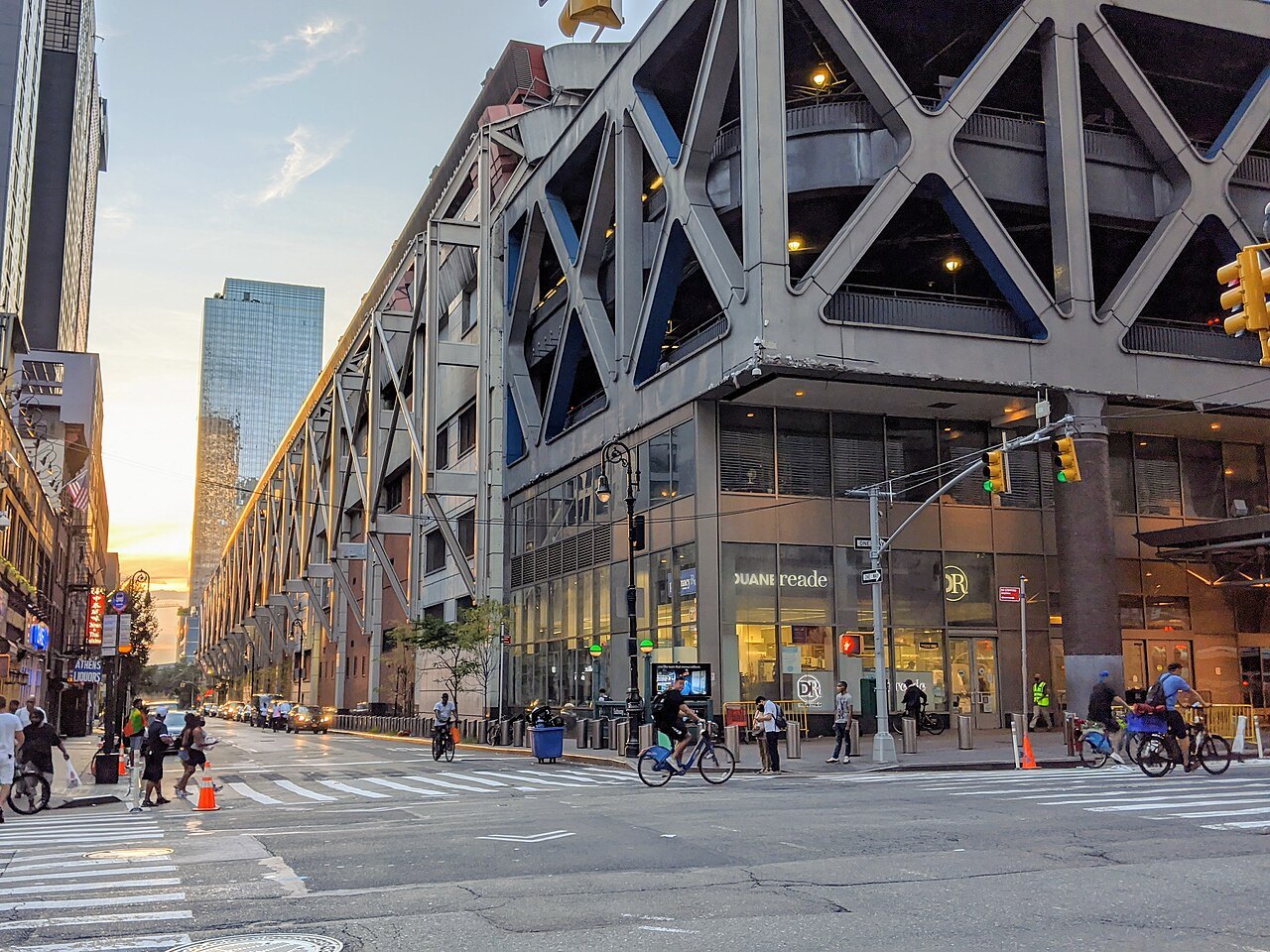
Its central concourse lies under a glass skylight ninety-two feet high, and its ceiling carries a stained-glass work by Kehinde Wiley. It is named for Senator Daniel Patrick Moynihan, who championed the plan. Walk through it on your way to a train, or just to look: standing under its roof, with the old station's twin across the avenue gone, gives some idea of what New York lost. Getting here explains the trains that use it.
Read next03
More from the journal
- Getting HereHow do you get from JFK Airport to Manhattan?There is no direct train from JFK to Manhattan, but there are three good ways in: AirTrain to Jamaica and the Long Island Rail Road, AirTrain to the subway, or a taxi at a flat rate. How each one works, what it involves with luggage, and how to choose.Read the piece →
- Getting AroundHow does the New York subway work for visitors?The subway runs all night, takes a tap of your bank card or phone, and reaches nearly everything on this site. How the lines are named, which platform to choose, the difference between local and express, how the fare cap works, and what changes at night and on weekends.Read the piece →
- The Brooklyn BridgeCan you walk across the Brooklyn Bridge?Yes, on a raised promenade between the roadways that is now for people on foot alone. Which way to walk, where to start and finish, how long it takes, when it is least crowded, and what to do in Brooklyn at the far end.Read the piece →