GREENWICH VILLAGE LGBTQ HISTORY01
Why is the Stonewall Inn a national monument?
The story behind the Stonewall Inn's 2016 designation as the first national monument for LGBTQ history.
The answer in full02
Read on
A Monument on Christopher Street
Greenwich Village is the neighborhood around Washington Square, one of New York's great addresses for people who did not fit elsewhere. For more than a century it has been called the capital of American bohemia, the East Coast birthplace of the Beat Generation, and the cradle of the modern movement for gay and lesbian rights. Its most visited site for that last history sits on Christopher Street.
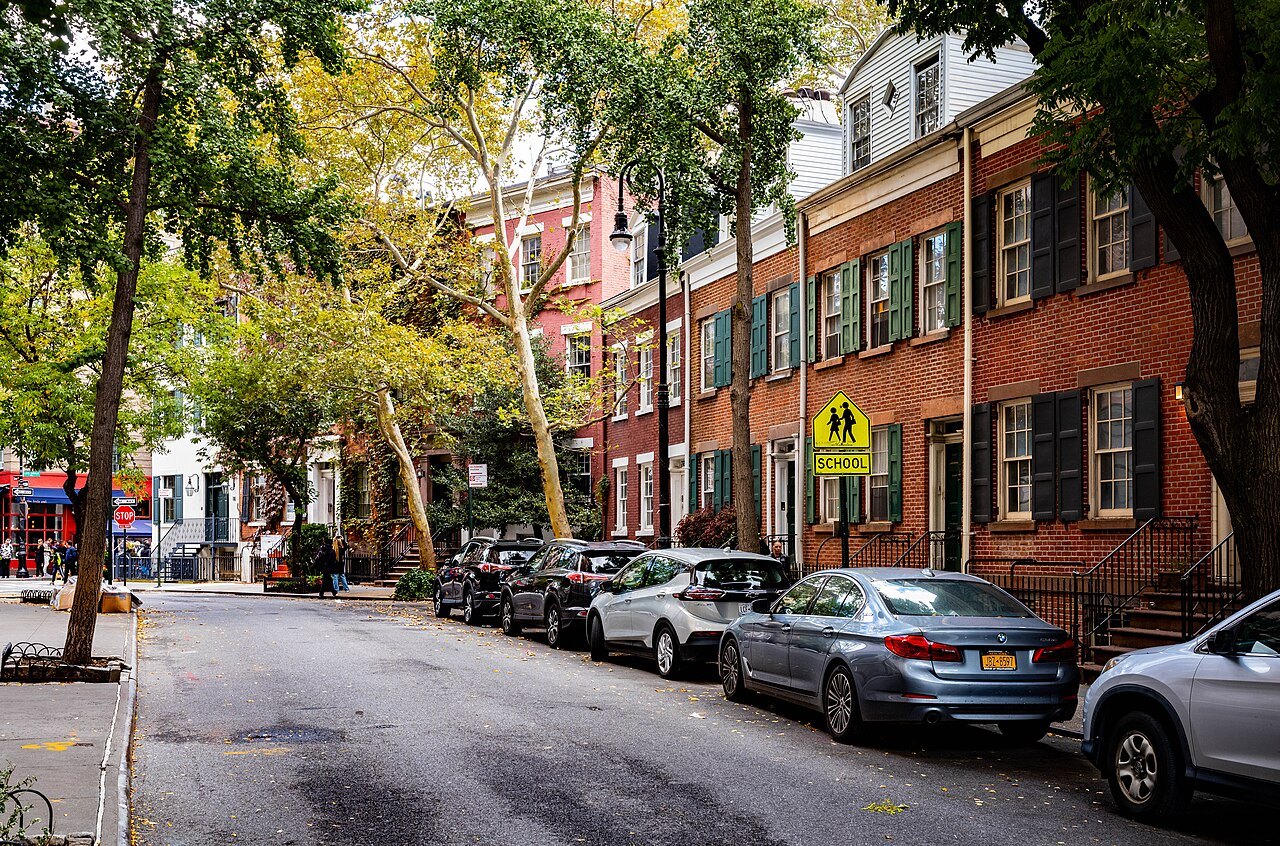
The Stonewall Inn is a bar in the historic district west of Washington Square, among the Greek Revival and Federal-style townhouses that fill more than fifty blocks of the Village. Nothing about its facade suggests the scale of what happened here, which is part of why the small Christopher Park across the street now carries the story alongside it.
In June 1969 a police raid on the Stonewall Inn set off riots that are credited with starting the modern gay rights movement. What began as a single night of resistance on a narrow Village street became the event American LGBTQ history now traces its public movement back to, and the reason Christopher Street draws visitors today.
From Bar to National Monument
The Stonewall Inn and Christopher Park were designated the Stonewall National Monument in 2016, the first national monument in the United States dedicated to LGBTQ history. The designation covers both the bar building and the small triangular park facing it, treating the whole corner as a single historic site rather than two separate places.
A visitor center for the monument opened in 2024. For details on what it offers, how it is run, and how best to plan time there, check directly with the National Park Service, which administers the site, rather than relying on secondhand information before setting out.
Because the Stonewall Inn is a working bar as well as a monument, and Christopher Park is a small public space on an active city street, visitors should confirm with the National Park Service what is accessible to the public on a given day and how the site is best approached on foot.
The Village That Made It Possible
The riots did not happen in isolation. Greenwich Village had spent decades as a refuge for artists, radicals and anyone the rest of the city had little room for. The Tenth Street Studio Building drew painters including Winslow Homer, Frederic Church and Albert Bierstadt in the 1850s, and the neighborhood's streets became known for lives lived outside convention.
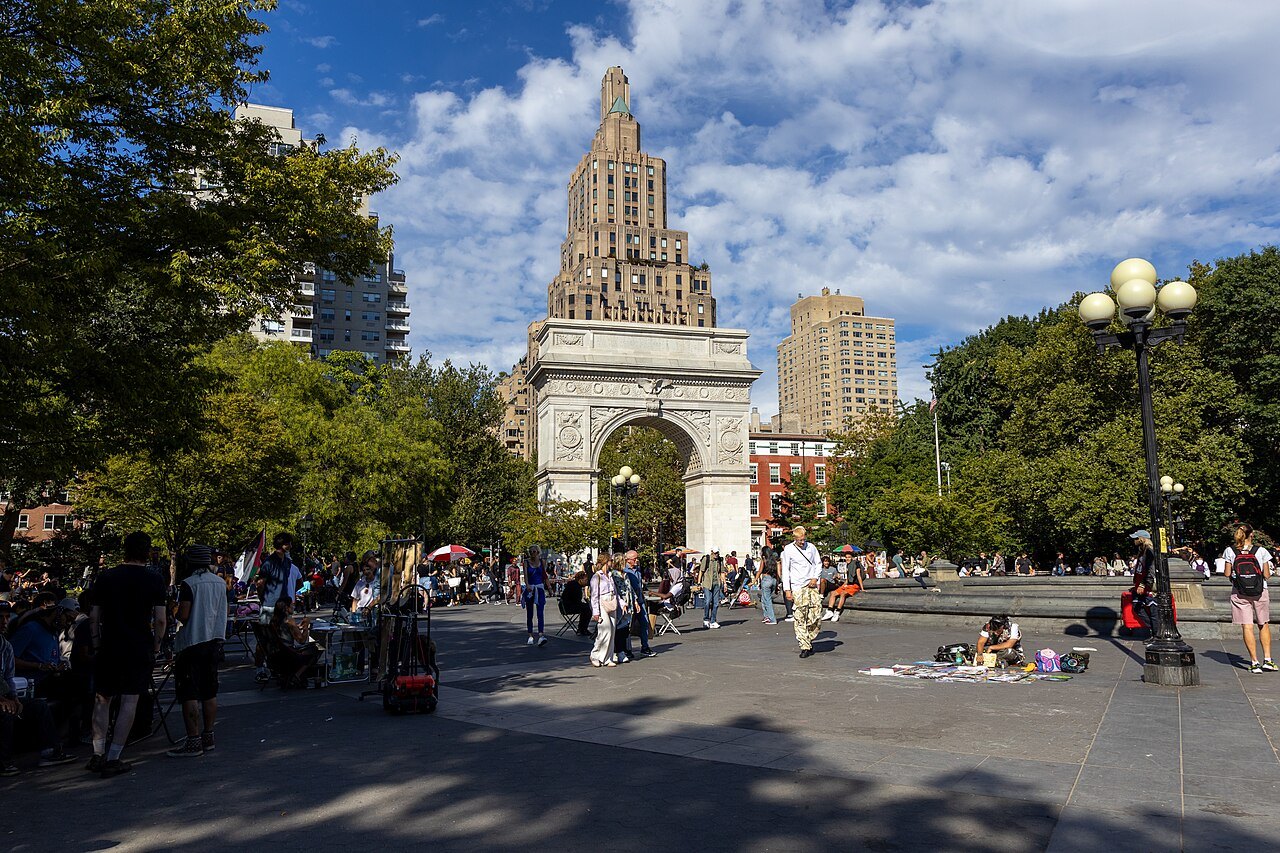
That same spirit shaped the Village's long argument over public space. In 1961 folk singers marched through the arch at Washington Square to defend their right to play music in the park, a small dispute over who gets to use the streets that, like Stonewall eight years later, became part of the neighborhood's larger history.
By 1969 the Village was already known as a place where unconventional lives were visible, even when the authorities did not welcome them. Christopher Street and the streets around it had long served as a gathering point, which helps explain why resistance to the raid began there rather than somewhere else in the city.
Finding Christopher Street
Greenwich Village keeps its own street pattern. Greenwich was a rural hamlet north of the old colonial town, and its lanes were already laid out before the 1811 grid was drawn over the rest of Manhattan, a story told in more detail on the grid. The Village never conformed, and its streets still do not run in straight numbered lines.
Some once-named streets were later numbered but still ignore the surrounding pattern, which is why West 4th Street turns north through the Village and crosses West 10th, 11th and 12th Streets. Even longtime New Yorkers get turned around here, so a visitor heading for Christopher Street should allow extra time and expect to double back.
West of Washington Square, the historic district runs for more than fifty blocks up to 14th Street, filled with brick townhouses, stoops and iron railings. Grove Street, Commerce Street, home to the Cherry Lane Theater since 1924, and Bleecker Street are all within walking distance of Christopher Street and reward unhurried exploration.
Washington Square and the Wider Village
Washington Square itself, a few blocks from Christopher Street, is where Fifth Avenue begins beneath a marble arch designed by Stanford White and finished in 1892. The park was once a potter's field and later a military parade ground before being laid out as the city's first park on the site in 1849 and 1850.
In the 1950s the park was nearly cut in two by a road extension pushed by the parks official Robert Moses. Local residents, including the campaigner Shirley Hayes and the urbanist Jane Jacobs, fought the plan, and after a 1958 public hearing the park was closed to traffic and has stayed free of cars since.
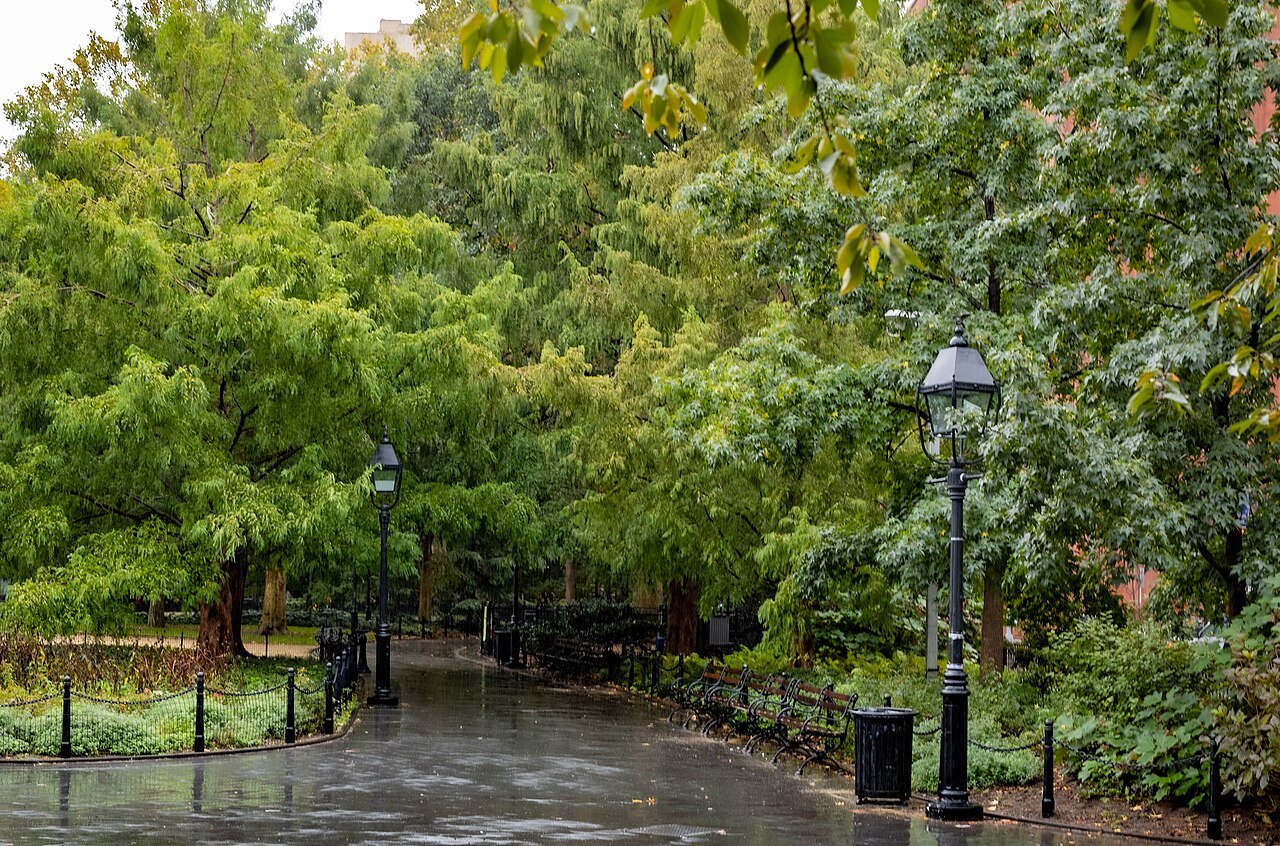
The square makes a natural stop before or after Christopher Street, with musicians, students and chess players around its fountain. It offers a sense of the Village's longer history as a gathering place, long before Stonewall gave the same streets a different kind of significance.
How to Visit
Several subway lines stop at West 4th Street, within walking distance of both Washington Square and Christopher Street; for routes and service, check with the MTA before traveling, as covered more generally on getting around. The Village's narrow, angled streets make a map or phone useful even for a short walk.
Christopher Park and the exterior of the Stonewall Inn can be seen on a short stop, but the surrounding streets, with their townhouses and small theaters, deserve at least an hour beyond that. For what the visitor center itself involves, check directly with the National Park Service.
The Village is also a good base for an evening out, with small theaters such as the Cherry Lane and many restaurants nearby. Allow time to simply walk the irregular streets without a fixed route; getting lost between Christopher Street and Washington Square is part of what the neighborhood has offered visitors for well over a century.
Nearby
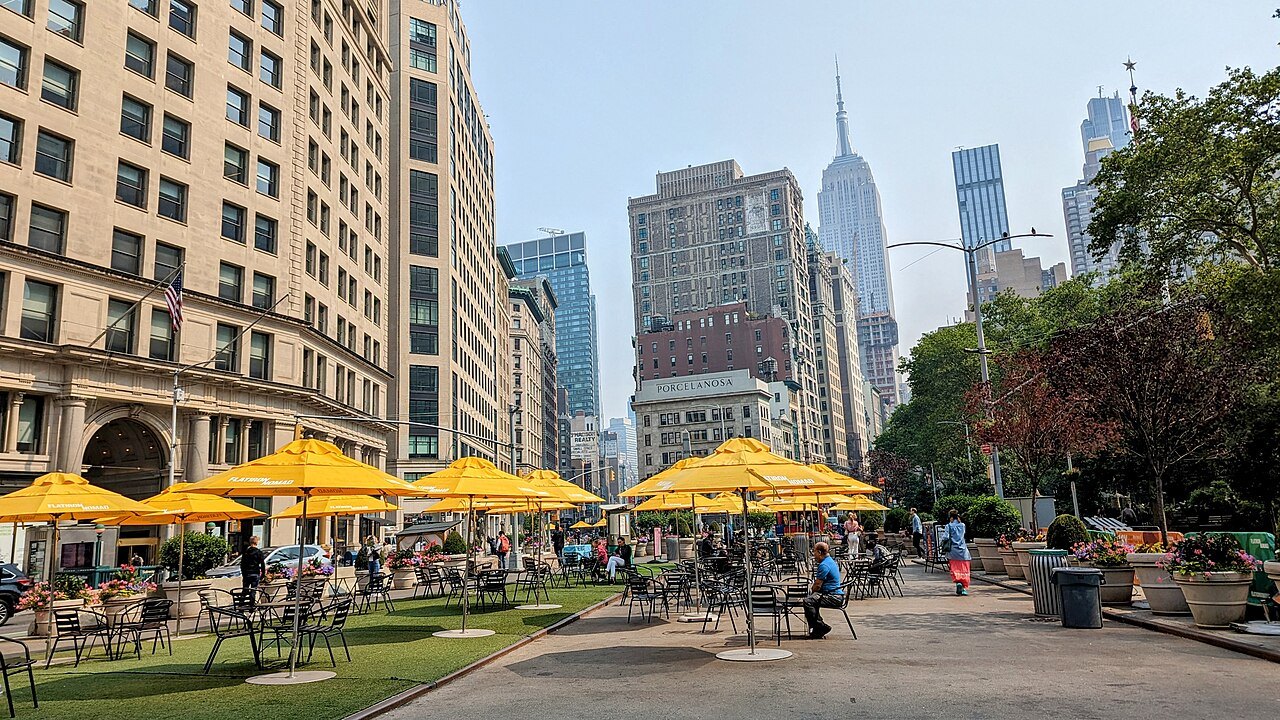
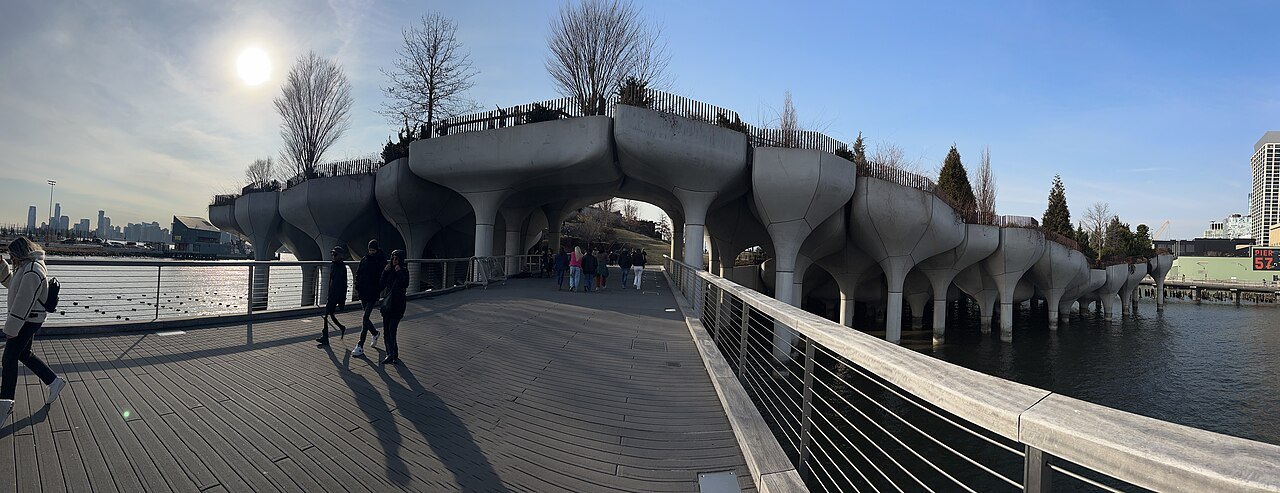
From Christopher Street or Washington Square, it is a walk north up Fifth Avenue to the Flatiron Building and Madison Square, or west to the southern end of the High Line in the Meatpacking District, covered on the High Line. Chinatown and the Lower East Side lie to the southeast, reachable by subway or on foot.
However the day is planned, the Stonewall National Monument sits comfortably within a single visit to Greenwich Village, alongside Washington Square, the arch and the historic streets to the west, rather than requiring a separate trip across the city.
Read next03
More from the journal
- Getting AroundHow does the New York subway work for visitors?The subway runs all night, takes a tap of your bank card or phone, and reaches nearly everything on this site. How the lines are named, which platform to choose, the difference between local and express, how the fare cap works, and what changes at night and on weekends.Read the piece →
- The GridWhat is Manhattanhenge, and where should you watch it?Four days a year the sun rises or sets exactly along Manhattan's cross streets, because the grid of 1811 is tilted 29 degrees. Why it happens, when, the difference between the half sun and the full sun, and which streets give the best view.Read the piece →
- The Brooklyn BridgeCan you walk across the Brooklyn Bridge?Yes, on a raised promenade between the roadways that is now for people on foot alone. Which way to walk, where to start and finish, how long it takes, when it is least crowded, and what to do in Brooklyn at the far end.Read the piece →