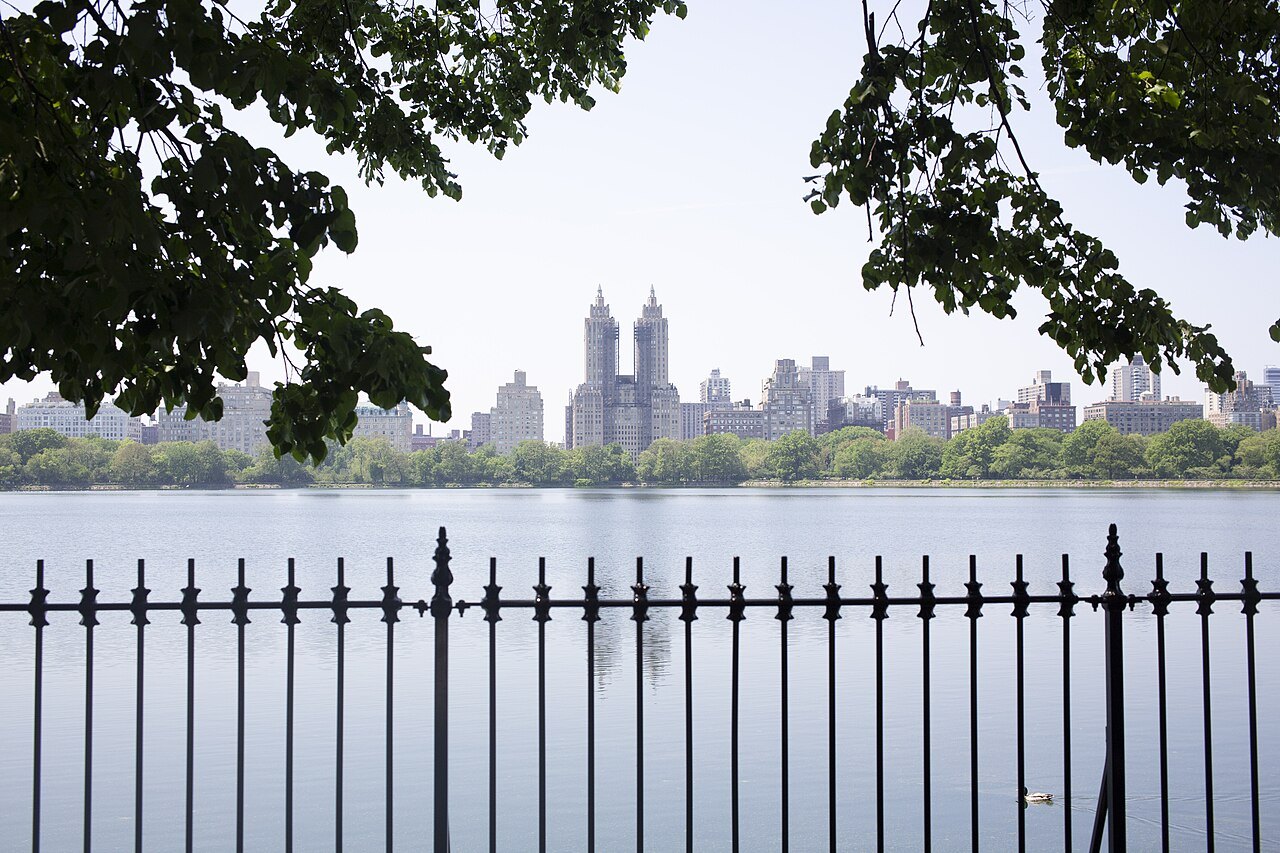
WHERE THE PARK'S PATHS CROSS01
Where are the best bridges and arches in Central Park?
A guide to Central Park's dozens of bridges and arches, from Bow Bridge to the arcade at Bethesda Terrace.
The answer in full02
Read on
A Plan Built for Crossing
Central Park is laced with dozens of bridges and arches, no two alike, scattered along its paths from 59th Street to 110th Street. They belong to the 1858 Greensward Plan by Frederick Law Olmsted and Calvert Vaux, developed with the architect Jacob Wrey Mould and the gardener Ignaz Anton Pilat. The idea was not simply ornamental: it kept carriage drives, bridle paths and footpaths from crossing one another on the level, so each kind of traveler had an uninterrupted route.
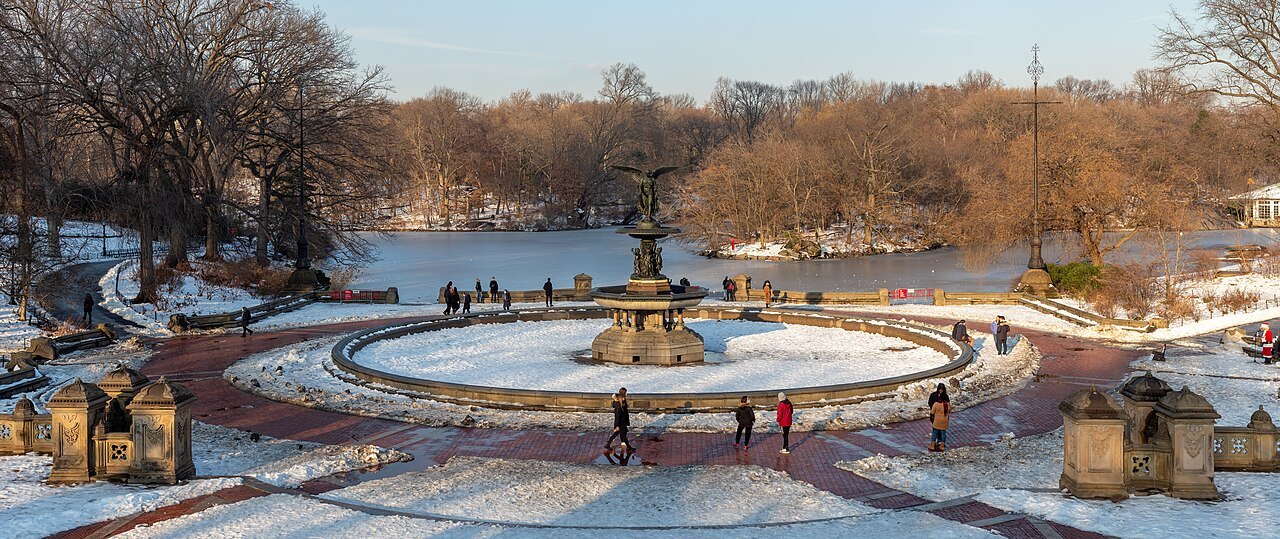
The cleverest piece of that plan lies below the surface. The park's four crosstown roads, called the transverses, were sunk beneath the level of the paths and lawns, letting traffic move through the park out of sight of people walking above. A visitor strolling the Mall or the Ramble may cross directly over one of these roads without noticing it at all.
Because the transverses needed bridges to carry them, and because drives, bridle paths and footpaths all needed separate ways across the park's lakes, streams and ravines, Olmsted and Vaux called for dozens of bridges in stone, cast iron and wood, each designed individually, so that no two in the park match.
Many of these bridges are small enough to miss unless a visitor is looking for them, tucked along a bridle path or under a rise in the lawn; others, like the stone arches that carry footpaths over the transverses, are grand enough to stop for. Taken together they are part of why the park earned its status as a National Historic Landmark and a scenic landmark of the city.
Bow Bridge and the Lake
From Bethesda Terrace, look west across the Lake to Bow Bridge, which spans the water at its center and ranks among the most photographed spots in the park. It links the terrace's side of the Lake to the wooded paths of the Ramble on the far shore, with the apartment towers of Central Park West rising above the trees behind it.
Bow Bridge carries only foot traffic across the Lake, in keeping with the plan's separation of carriage drives, bridle paths and walkers. Its cast-iron rail and gentle curve give views down the length of the Lake in both directions, toward the formal terrace to the east and the rougher woods of the Ramble to the west.
The crossing itself takes only a couple of minutes, but it is the hinge of a classic first visit to the park, joining the formal, architect-built landscape around Bethesda Terrace to the deliberately wild paths of the Ramble, a wooded area that opened in 1859 and remains a maze of rocky outcrops and winding trails.
Bethesda Terrace and Its Arcade
Bethesda Terrace, at the northern end of the Mall, is one of the few structures in the park finished during the Civil War. Two staircases descend from the level of the Mall through an arcade built beneath the road, its ceiling covered in patterned tile, down to a terrace on the shore of the Lake; the arcade was restored in 2007.
At the terrace's center stands Bethesda Fountain, topped by Angel of the Waters, the bronze figure sculpted by Emma Stebbins in 1873. It was the only statue specified in the original Greensward Plan and the first large public sculpture commissioned from an American woman, and the fountain remains the park's best-known meeting point.
A renovation of the fountain was announced for 2026, and visitors should check the state of the terrace and arcade with the Central Park Conservancy before planning a visit around it, since part of the site may be fenced off while the work goes on and the view of the fountain may be partly blocked.
Further Bridges and Wilder Crossings
Not every bridge in the park carries a name repeated in guidebooks, but each one marks a point where the original plan kept one kind of traveler separate from another. Walking the paths north of the Lake and through the Ramble, a visitor passes over several of these structures, each built to its own design in stone, cast iron or wood.
On the far side of the Ramble, the path climbs to Belvedere Castle, built by Vaux and Mould on a rocky outcrop above Turtle Pond. It was restored and reopened in 2019, and its terraces look north over the Great Lawn, laid out by Robert Moses in the 1930s on the site of a Depression-era shantytown.
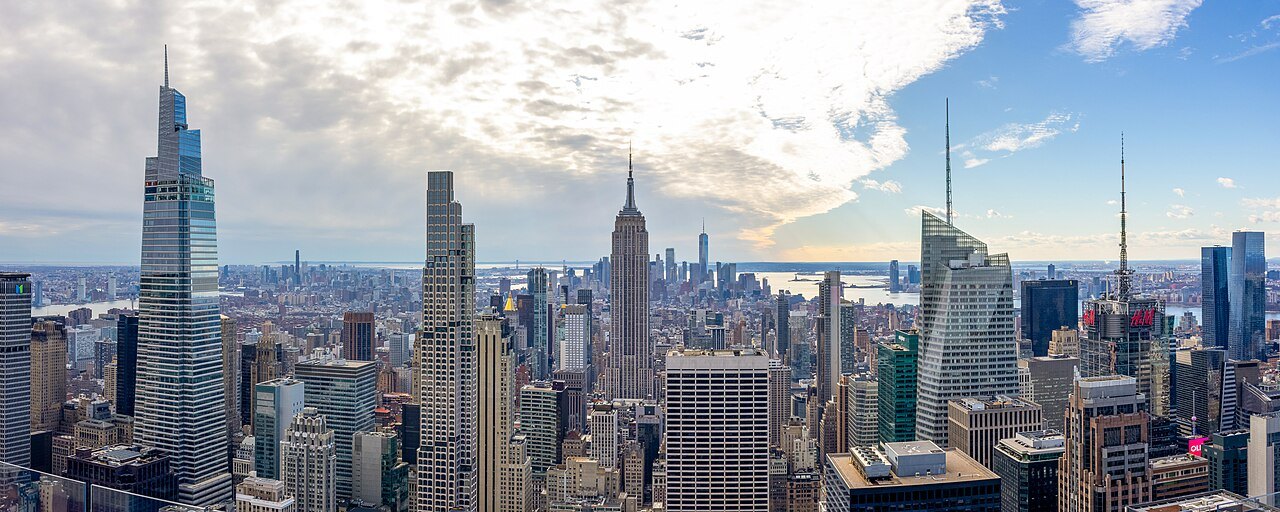
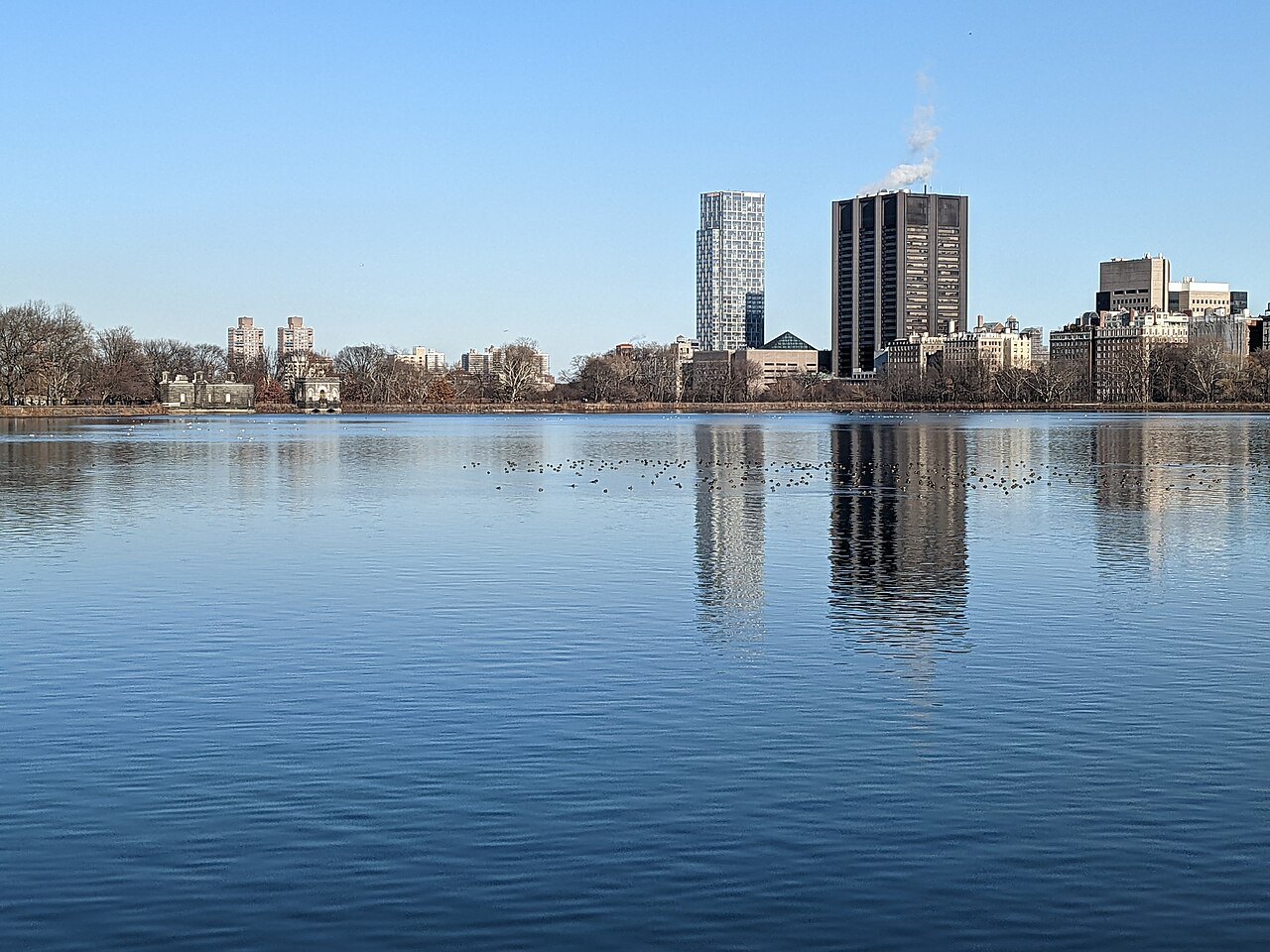
Further north, past the Jacqueline Kennedy Onassis Reservoir, the park turns wilder still, with the North Woods, the Conservatory Garden and the Harlem Meer. This stretch follows the same logic of separated paths and small crossings as the south end, though it draws far fewer visitors than the bridges and terraces around the Lake.
How to Visit
The best route for seeing the park's bridges and arches on a first visit begins at Grand Army Plaza, on Fifth Avenue at 59th Street, and follows the path north past the Pond to the Mall. From Literary Walk, at the Mall's southern end, the promenade runs straight under its canopy of elms to Bethesda Terrace.
From the terrace, cross Bow Bridge into the Ramble and climb to Belvedere Castle, one of the park's five visitor centers, along with the Dairy and a center at Columbus Circle; each can offer a current map of the paths and bridges. Entry to the park itself is free of charge.
The park closes for a few hours overnight, and the Central Park Conservancy, which has managed it since 1998, posts current hours and any closures; check with the Conservancy before an early-morning or late-evening visit. Several subway lines stop along the park's south edge at 59th Street; see getting around for routes to its other edges.
The park also hosts seasonal activities among its paths and bridges: the Public Theater's Shakespeare in the Park runs at the Delacorte Theater in summer, and Wollman Rink opens for skating near the Pond in winter. See when to come for how the seasons change the experience of a visit to the park and its bridges across the year.
Nearby
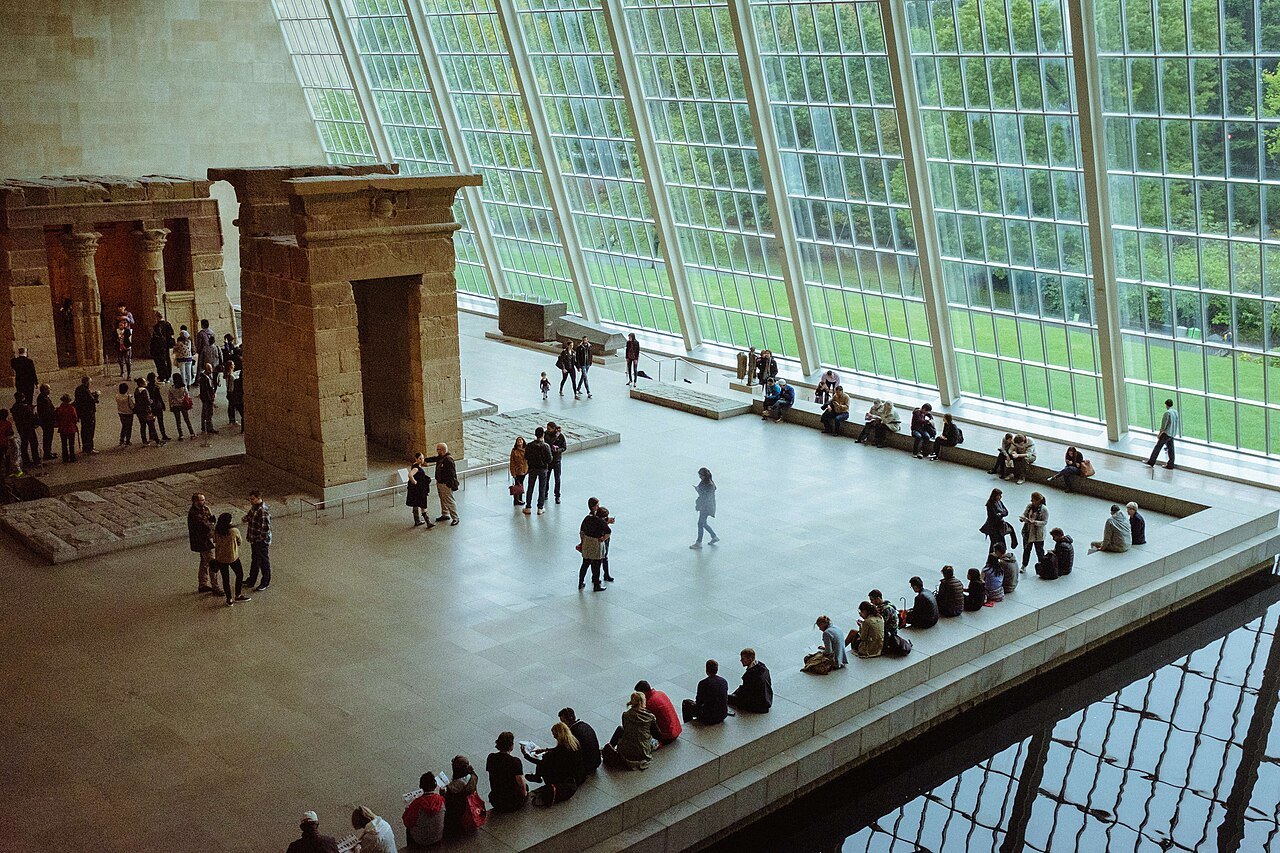
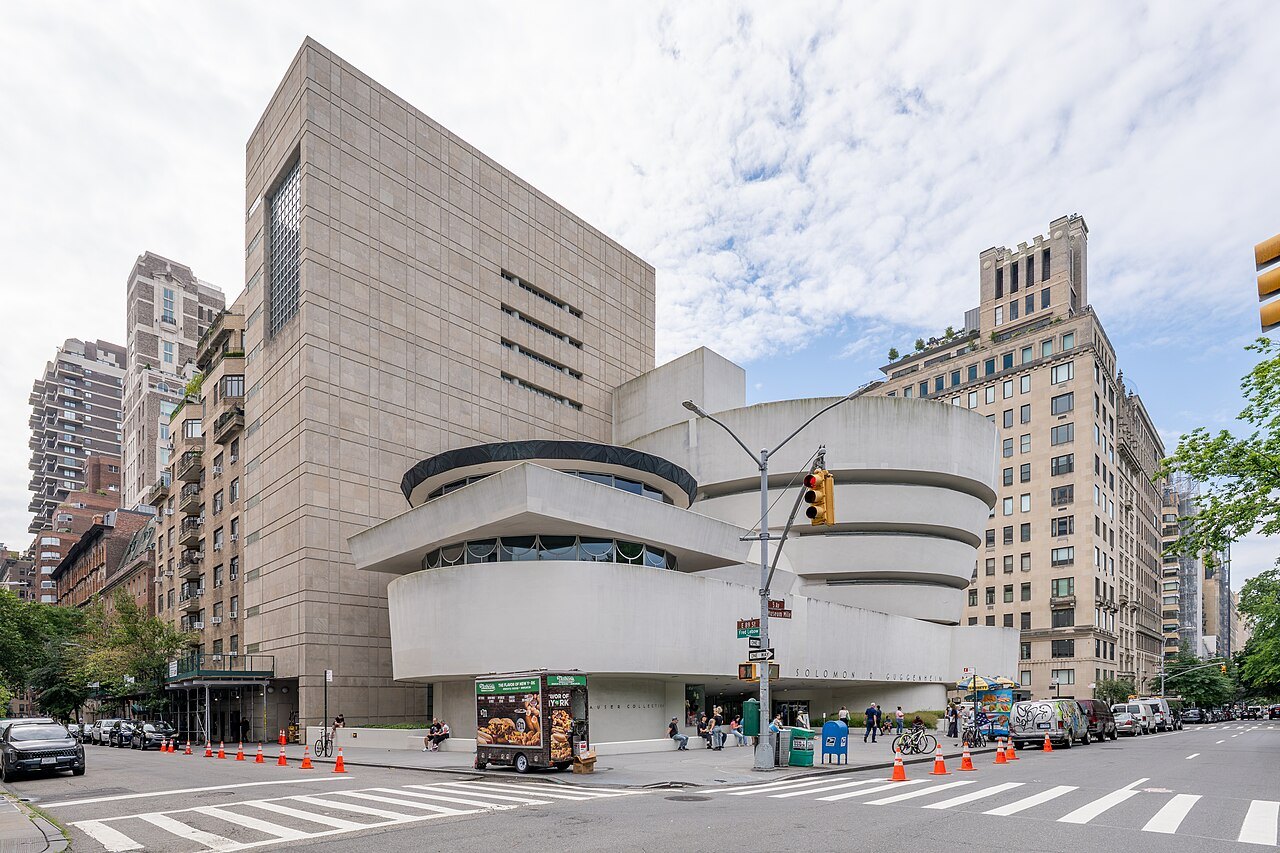
On Fifth Avenue, along the park's eastern edge, stands the Metropolitan Museum of Art, and at the corner of 89th Street the Guggenheim Museum; both sit a short walk from the Reservoir and the quieter paths of the North End. See the Met for details on visiting the Metropolitan Museum of Art.
Rockefeller Center is a short walk south down Fifth Avenue from Grand Army Plaza, which sits at the park's southeast corner, so a visitor can combine a morning spent crossing the park's bridges, terraces and lakes with an afternoon among the towers and plazas of Midtown, without needing a subway ride between the two.
If a question comes up about park rules, lost property or an incident while visiting, the city's non-emergency line, 311, can direct a call to the right department, and 911 is for emergencies; park staff and visitor centers can also help with directions among the bridges and winding paths of the park.
Read next03
More from the journal
- Central ParkWhat was Seneca Village, and why did it disappear?How a majority-Black settlement on the future park's land was cleared by eminent domain to build Central Park.Read the piece →
- Washington Square and Greenwich VillageWhat is the story of the Washington Square Arch?The story behind the marble arch at Washington Square, from potter's field to Stanford White's monument to Washington.Read the piece →
- The Brooklyn BridgeCan you walk across the Brooklyn Bridge?Yes, on a raised promenade between the roadways that is now for people on foot alone. Which way to walk, where to start and finish, how long it takes, when it is least crowded, and what to do in Brooklyn at the far end.Read the piece →