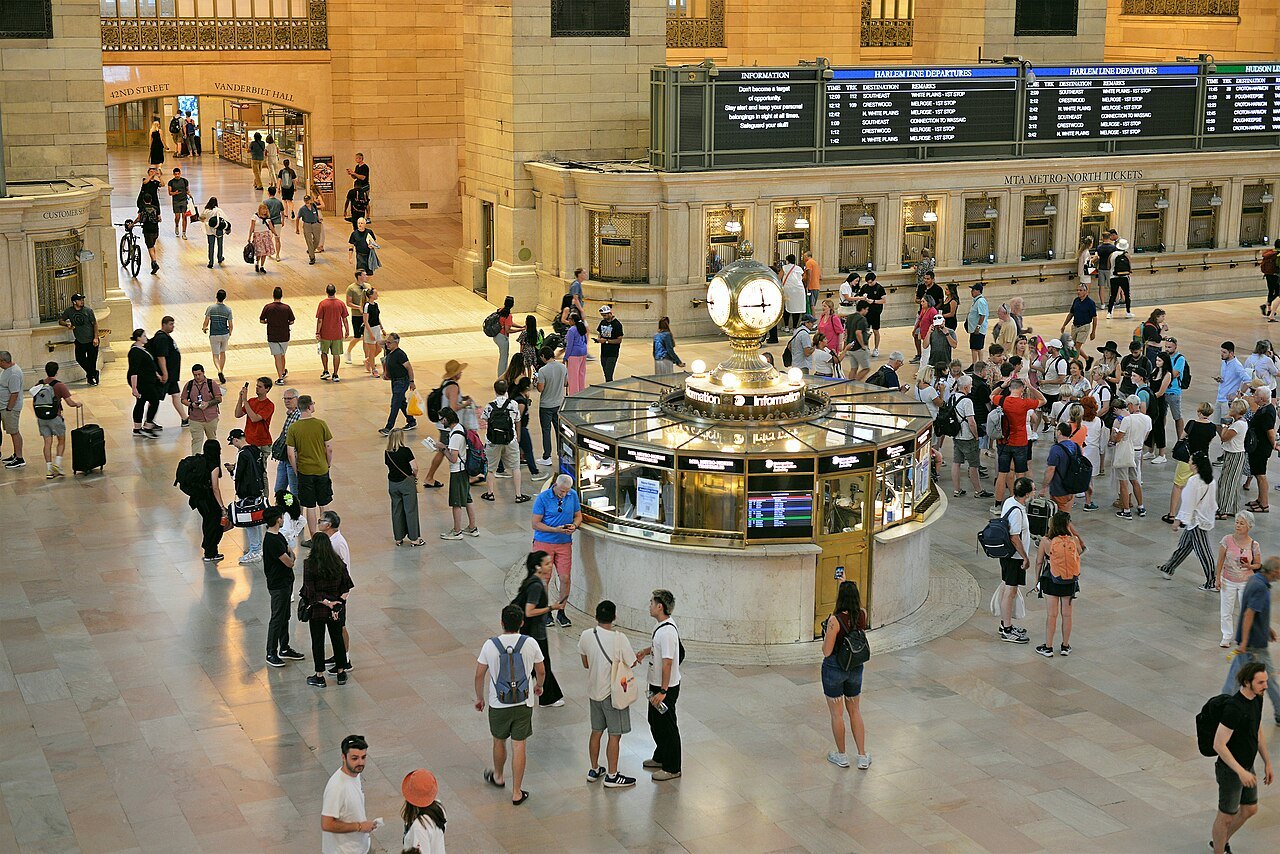
A WHISPER ACROSS THE ARCHES01
What is the whispering gallery at Grand Central?
How two corners beneath Grand Central's tiled ramps let a soft whisper carry clean across the room.
The answer in full02
Read on
Finding the Whispering Gallery
Grand Central Terminal's whispering gallery lies on the lower level, where ramps lead down from the Main Concourse toward the Oyster Bar. The low arches that support the bridge above are covered in Guastavino tile, the same thin, interlocking tile used throughout much of the terminal's vaulted ceilings. Nothing marks the spot as a destination, so it is easy to walk past without noticing, yet generations of visitors have stopped there to test its odd acoustic trick.
The tile itself is pale and set in a herringbone pattern, curving overhead to form a low, intimate vault quite different from the painted sky of constellations in the Main Concourse above. Where that grand room feels vast and open, the space under the ramps feels almost like a small chapel tucked beneath the thoroughfare that carries commuters down toward their trains.
The gallery sits close to the Oyster Bar restaurants and to the Grand Central Market, one of three passages running east from the Main Concourse toward Lexington Avenue. Visitors planning a stop for a meal or a snack while exploring the terminal can find more on the options inside at eating and drinking.
The lower level also connects to Grand Central Madison, the concourse that has carried Long Island Rail Road trains since 2023, though the whispering gallery stands apart, nearer the older Oyster Bar ramps than to that newer hall.
How the Effect Works
Stand facing directly into one corner of the arches and speak softly, and a companion standing in the diagonally opposite corner, also facing the wall, will hear the words almost as clearly as if standing beside you. Neither person needs to raise a voice above a whisper, and the effect is strong enough to startle people trying it for the first time.
The trick works because the curved tile vault carries sound along its surface rather than letting it scatter through the open room, the same basic principle behind whispering galleries found in domed and vaulted buildings elsewhere. At Grand Central the shape grew out of a practical need, covering the ramps between the Main Concourse and the dining concourse below, rather than out of any plan to create an acoustic curiosity.
Because the terminal is a working station, the whisper has to compete with everyday noise from commuters and diners nearby, so quieter stretches make the effect easier to hear. Visiting when the Main Concourse above is calmest, in the middle of the day or on a weekend, gives the best chance of hearing a whisper carry clearly across the tiled arches.
Trying It Yourself
Two people are needed to appreciate the gallery properly, one in each of two diagonally opposite corners, both facing directly into the stone rather than toward each other. The arrangement can feel almost absurd, two travel companions or strangers murmuring into a corner, but facing the wall is what makes the whisper carry along the curve of the tile.
Because the space sits on a passage used by people heading to and from the Oyster Bar, the Grand Central Market, and the platforms beyond, visitors should be ready to step aside for others passing through rather than treat the corners as a place to linger for long. A quick exchange of whispers is usually enough to prove the effect works.
Like the rest of Grand Central, standing under the whispering gallery costs nothing and requires no ticket. It is simply part of the terminal's public space, open to anyone walking through the lower level toward the Oyster Bar, and no attendant or sign directs visitors to it, so finding it is part of the experience.
Guastavino Tile and the Terminal's Design
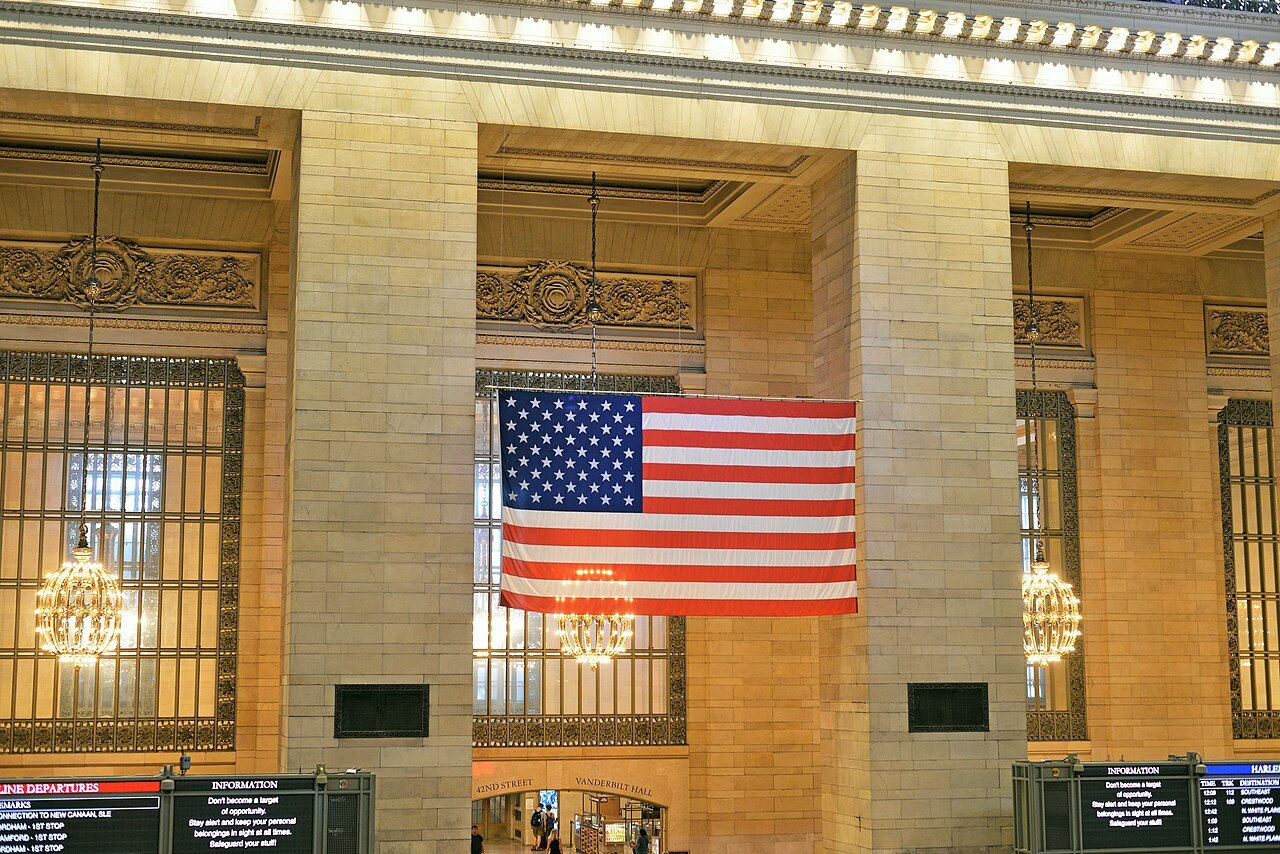
The ramps under which the whispering gallery sits were part of the original design by Reed and Stem, the firm responsible for Grand Central's layout of ramps connecting its levels. Whitney Warren of Warren and Wetmore then added the Beaux-Arts ornament seen throughout the building, from the sculptural group over the 42nd Street facade to the painted ceiling of constellations above the Main Concourse. See Grand Central for more on the building's history and design.
The tile vaulting used under the ramps is the same Guastavino system found elsewhere in the terminal, built from thin layers of tile set in overlapping courses that form a strong, self-supporting arch without heavy steel framing beneath it. The technique let builders create curved ceilings quickly and cheaply, and its smooth, hard surface happens to reflect sound in the particular way that produces the whispering effect.
The same decline that dulled the Main Concourse through much of the twentieth century touched parts of the wider terminal, though the whispering gallery, tucked away under the ramps, kept its intimate scale largely unchanged while the grander rooms above were cleaned and restored to their earlier appearance by the project completed in 1998.
What Else Is Nearby
After trying the whisper, visitors can climb back up the ramps to the Main Concourse to see the four-faced clock atop the information booth, the carved acorns worked into stone and metal throughout the terminal, and the ceiling of constellations overhead, the terminal's best-known sights alongside the whispering gallery itself.
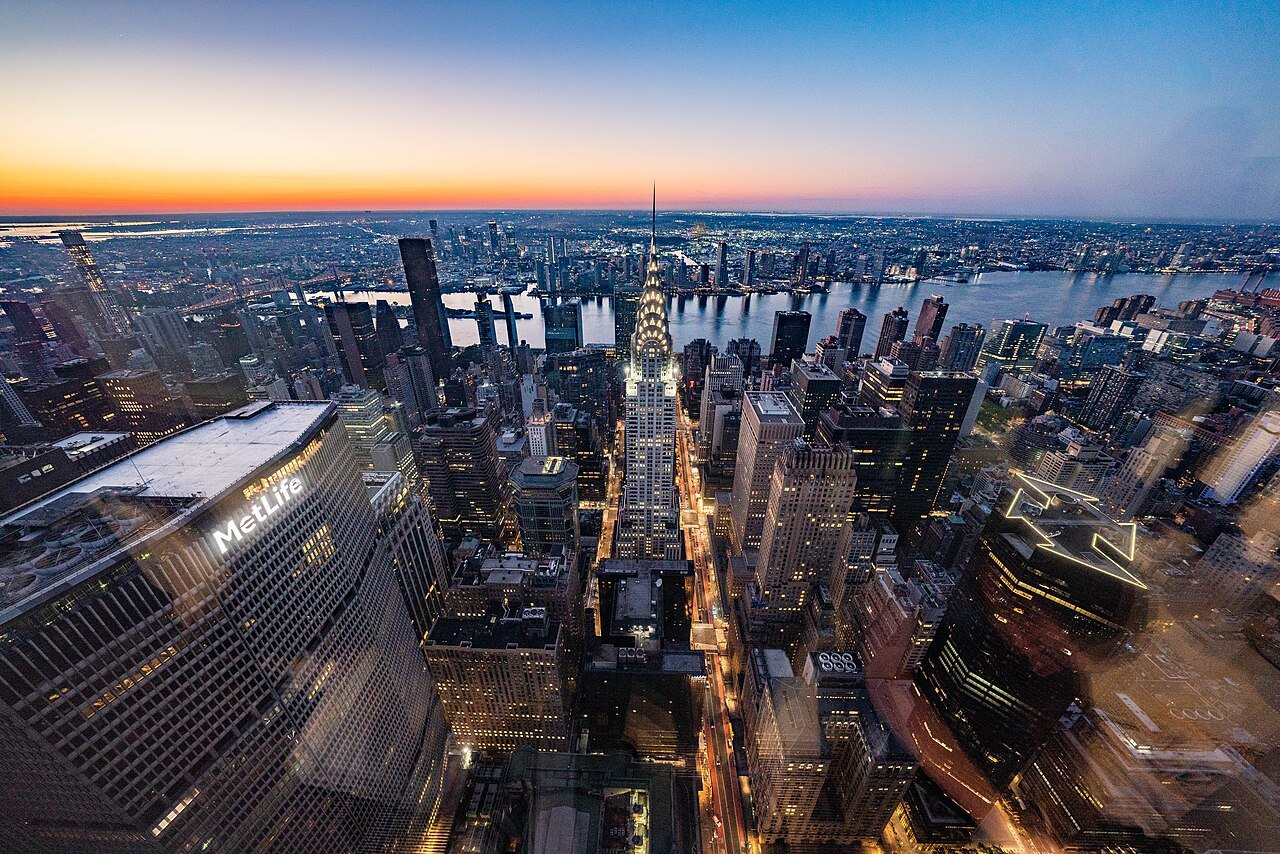
Outside, at the terminal's east corner on 42nd Street, the Chrysler Building rises across Lexington Avenue and is best seen from that spot, a short detour for anyone leaving the terminal after visiting the lower level.
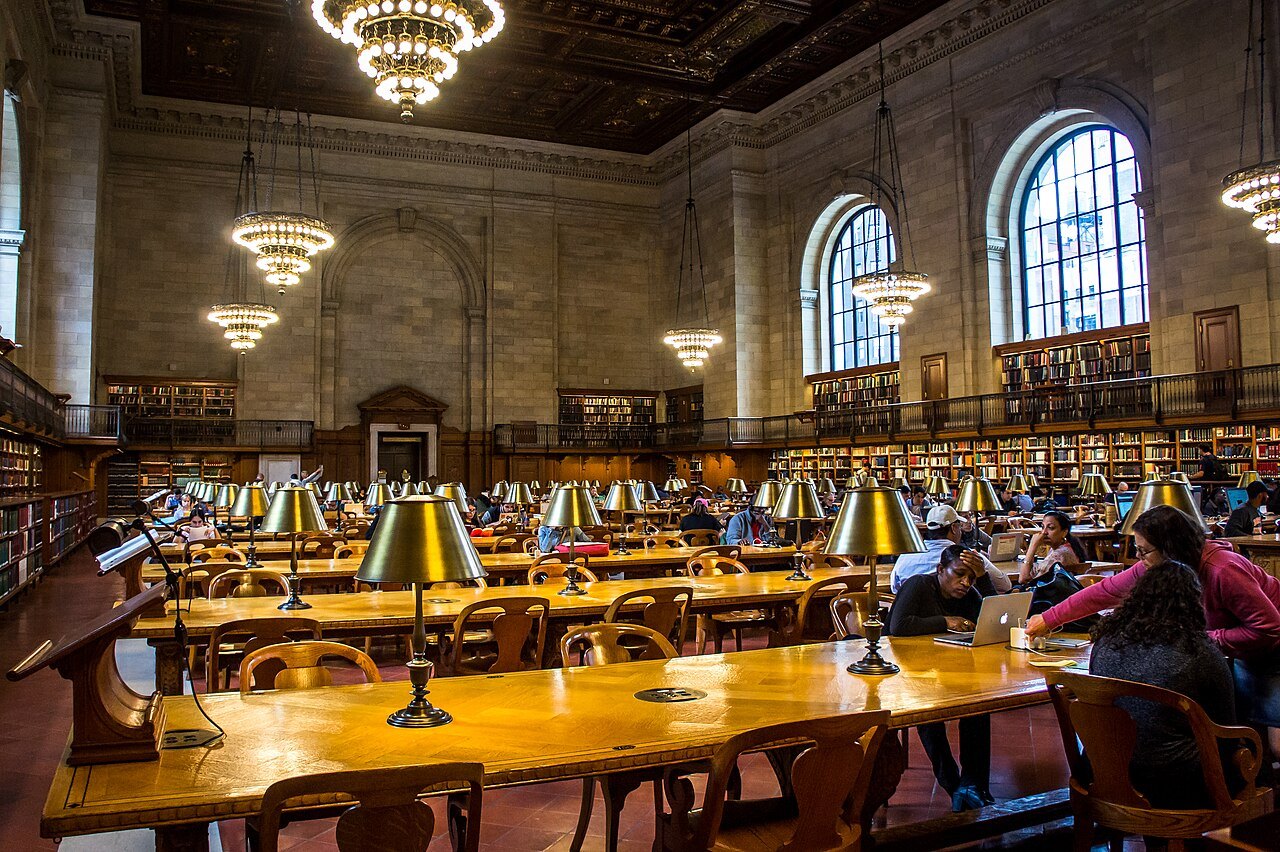
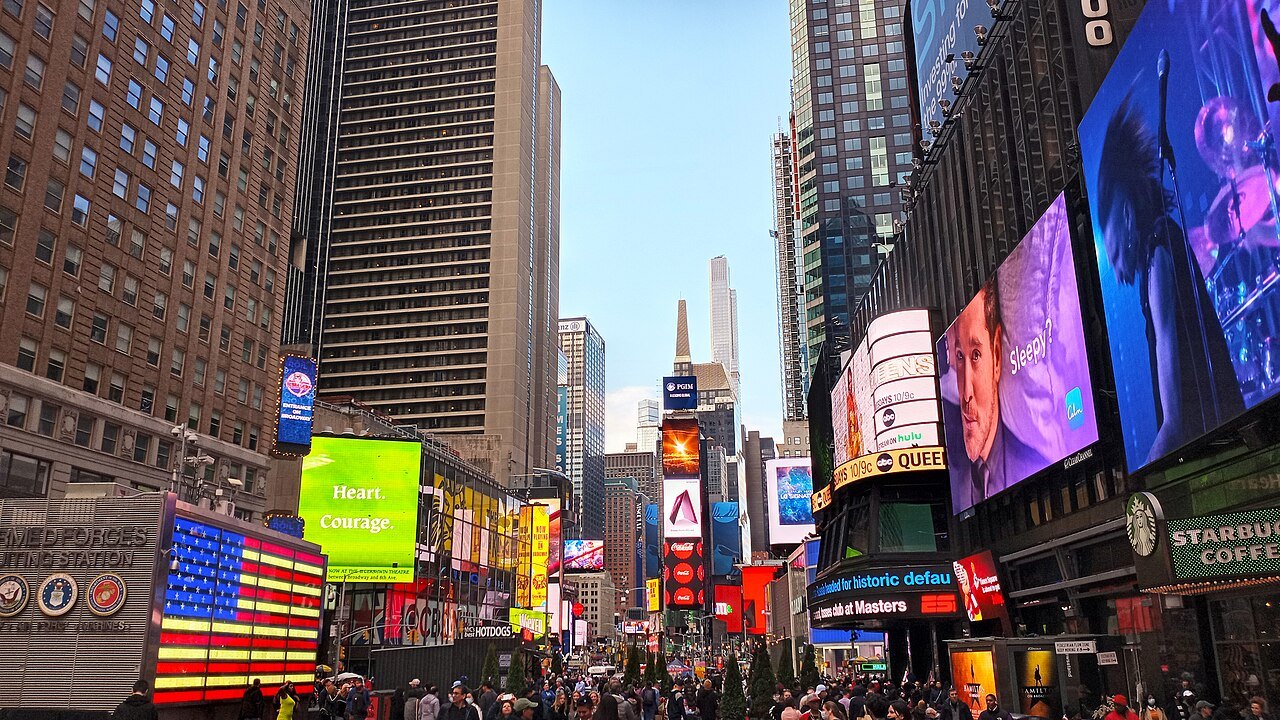
Walking west along 42nd Street from the terminal leads past the New York Public Library and Bryant Park toward Times Square, making the whispering gallery one stop on a longer stroll through this stretch of Midtown rather than a destination to visit on its own.
Getting There
Grand Central–42nd Street is served by many subway lines, and the terminal itself sits above Metro-North's platforms serving the northern suburbs and Connecticut, with Grand Central Madison beneath carrying the Long Island Rail Road since 2023. See getting around for how the subway system works for visitors.
Enter from 42nd Street through the Jacqueline Kennedy Onassis Foyer and Vanderbilt Hall to reach the Main Concourse, then follow the ramps down toward the Oyster Bar and the lower level dining concourse, where the whispering gallery sits beneath the bridge that crosses the ramps.
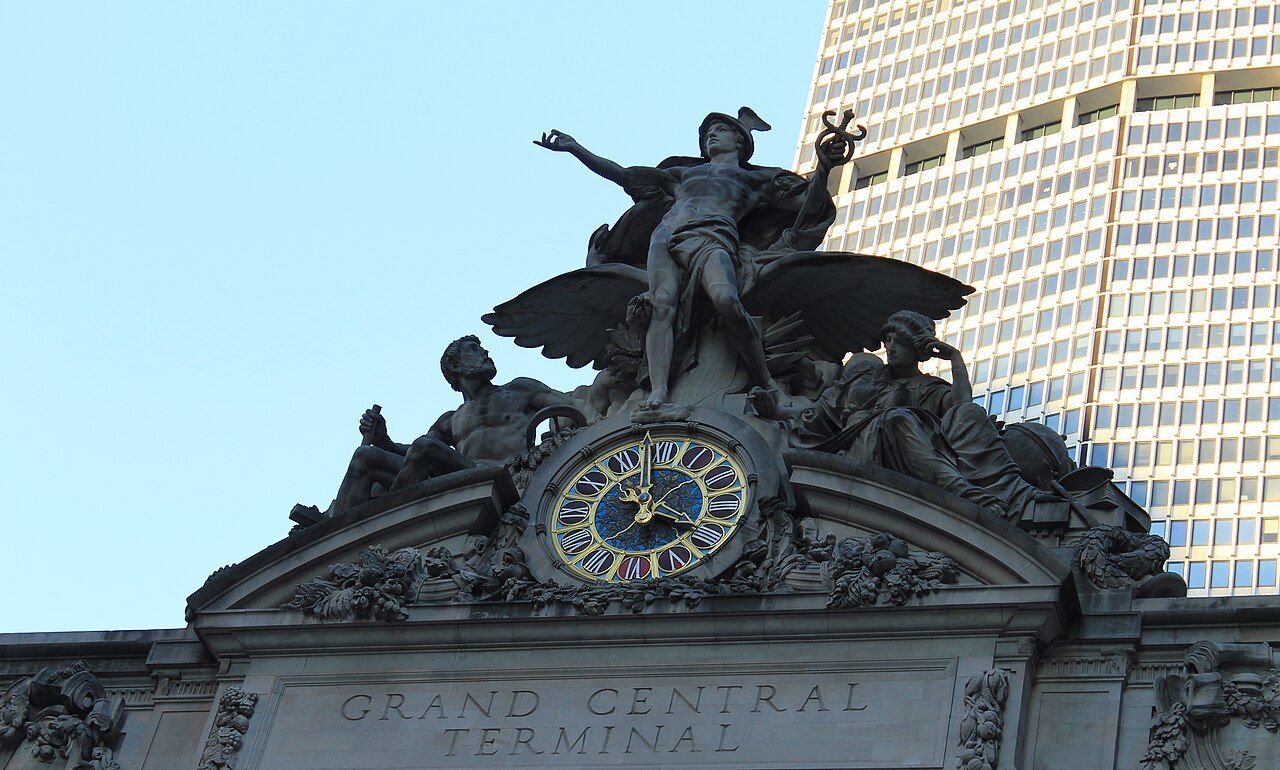
Grand Central also appears on the walk along 42nd Street described in the neighborhoods guide, and the Metro-North trains reached from its platforms make it a starting point for day trips north of the city.
Read next03
More from the journal
- Getting HereWhat happened to the old Penn Station?New York once had a railroad station modeled on the baths of ancient Rome. Why it was torn down in the 1960s, where its sculptures went, how its loss saved Grand Central, and where you can still feel something of it today.Read the piece →
- Getting AroundHow does the New York subway work for visitors?The subway runs all night, takes a tap of your bank card or phone, and reaches nearly everything on this site. How the lines are named, which platform to choose, the difference between local and express, how the fare cap works, and what changes at night and on weekends.Read the piece →
- The Brooklyn BridgeCan you walk across the Brooklyn Bridge?Yes, on a raised promenade between the roadways that is now for people on foot alone. Which way to walk, where to start and finish, how long it takes, when it is least crowded, and what to do in Brooklyn at the far end.Read the piece →