THE TREE THAT SURVIVED01
What is the Survivor Tree at the 9/11 Memorial?
A Callery pear that lived through the attacks still grows in the 9/11 Memorial plaza, among the oaks.
The answer in full02
Read on
The Survivor Tree
Among the rows of swamp white oaks that fill the World Trade Center memorial plaza, one tree looks different: a Callery pear, smaller than its neighbors and without their broad canopy for much of the year. Visitors often walk past it without noticing the small marker nearby that explains why this one tree stands apart from everything else planted here, though its story began long before the plaza around it was finished.
The tree was found at Ground Zero in the months after the attacks, badly burned and broken, one of the only living things recovered from the wreckage of the towers. Rather than clear it away, the city's parks department dug it out and nursed it for years in a nursery before it was strong enough to be returned to the site.
Once restored, it was replanted on the plaza near the memorial pools, where it has since become known simply as the Survivor Tree. Cuttings from it have been given to communities marking their own losses elsewhere. For anything beyond its basic story, including its current condition or any public program tied to it, check with the memorial's own visitor guidance before planning a visit around it.
Where It Stands
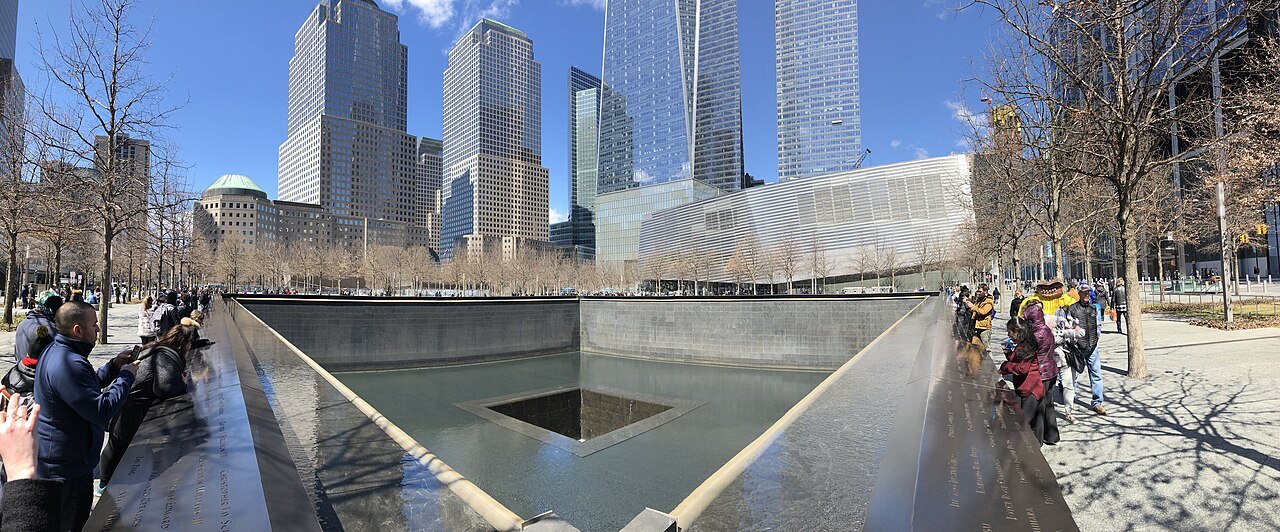
The tree sits within the plaza itself, among the forest of oaks that the landscape architects Peter Walker and Partners planted in rows and loose groves across the sixteen-acre site. Like the rest of the plaza, it is outdoors, unticketed, and open to anyone who walks in from the street.
Because the plaza has no single entrance, finding the tree usually means walking the paths between the two pools and the surrounding oaks until the small marker comes into view. The The Sights overview of the district can help place it against the tower and the Oculus nearby if a longer walk through Lower Manhattan is planned around it.
A first visit to the plaza, tree included, takes a modest amount of time. Most visitors spend well under an hour walking it quietly before deciding whether to also see the museum below or ride up to the observatory above. Both require tickets bought separately from entry to the plaza itself.
The Pools and the Names
The tree's setting is the memorial named Reflecting Absence, chosen in January 2004 from an international competition. Its architect, Michael Arad, worked with the landscape architects Peter Walker and Partners on the plaza of oaks and the two square pools that mark the exact footprints of the Twin Towers.
Each pool is a waterfall falling on all four sides into a wide basin, then again into a smaller square void at the center whose bottom cannot be seen from the edge. The sound of falling water is meant to cover the noise of the surrounding city, part of the same quiet that the oaks and the tree help create.
Bronze parapets around both pools carry the names of everyone killed on September 11, 2001, at all three sites and aboard the two hijacked planes, along with the six people killed in the bombing of the World Trade Center on February 26, 1993. Names are grouped by what the designers called meaningful adjacencies, placing colleagues and friends side by side.
How the Memorial Came to Be
The plaza follows the master plan for the whole site drawn by the architect Daniel Libeskind. Of the finalists in that process, Arad's design was the only one to keep both tower footprints open to the sky rather than building over them, which is why the oaks and the tree have room to grow at all.
The memorial was dedicated on September 11, 2011, the tenth anniversary of the attacks, and opened to the public the following day, with its pools, oaks and plaza already in place. Everything built on the site since then, the museum, the tower, the transit hub, has gone up around that finished plaza.
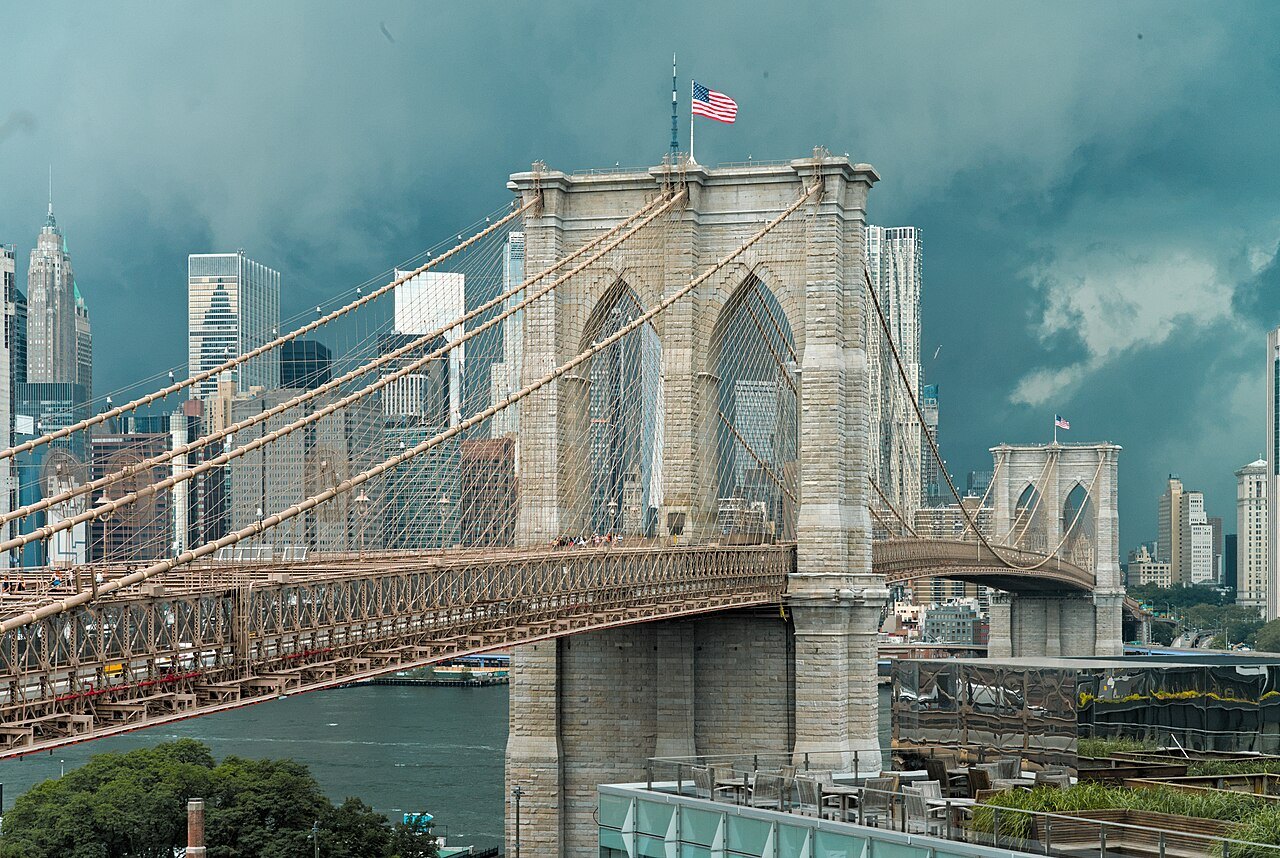
None of this is a sight in the ordinary sense. It is a place of mourning first, and the memorial's own visitor guidelines ask people to behave as they would at a graveside, particularly around the pools and anything, like the tree, tied to a specific story of loss.
The Museum, the Tower and the Hub
Between the pools, a glass pavilion by the Norwegian firm Snøhetta leads down into the National September 11 Memorial Museum, whose galleries lie about seventy feet below ground, at the level of the towers' foundations. A stretch of the slurry wall that held back the Hudson River during the collapse is exposed inside, along with the Last Column, the final piece of steel removed from Ground Zero.
The museum requires a ticket bought in advance and is not open every day of the week, so check its own site before building a schedule around it. Its own guidance suggests allowing a fair stretch of time for a visit, and parts of it are difficult to see, dealing directly with the events of the day.
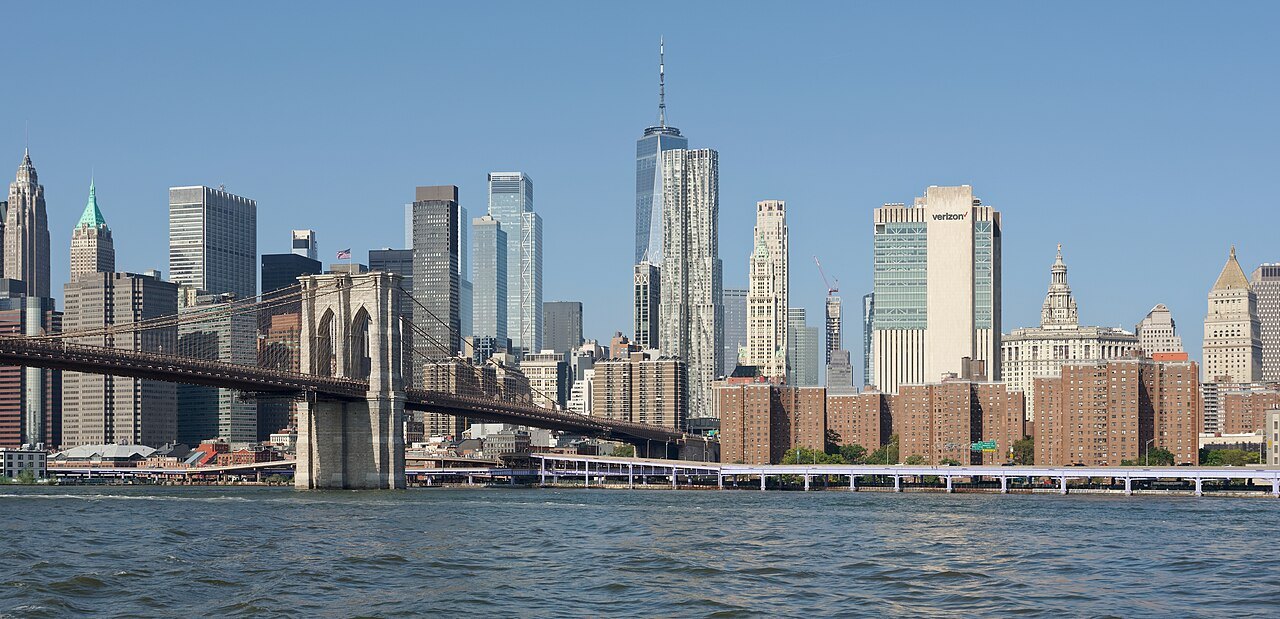
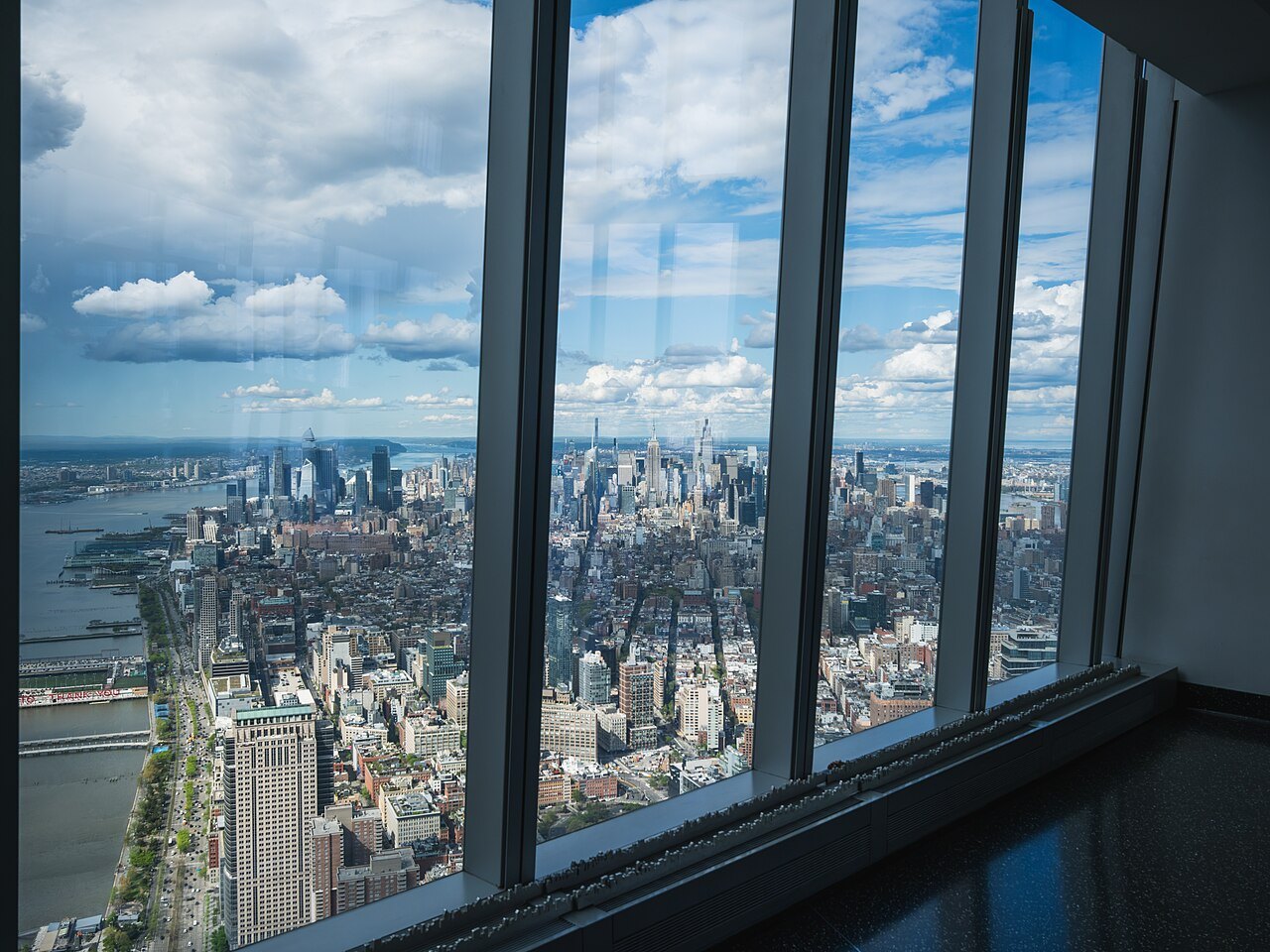
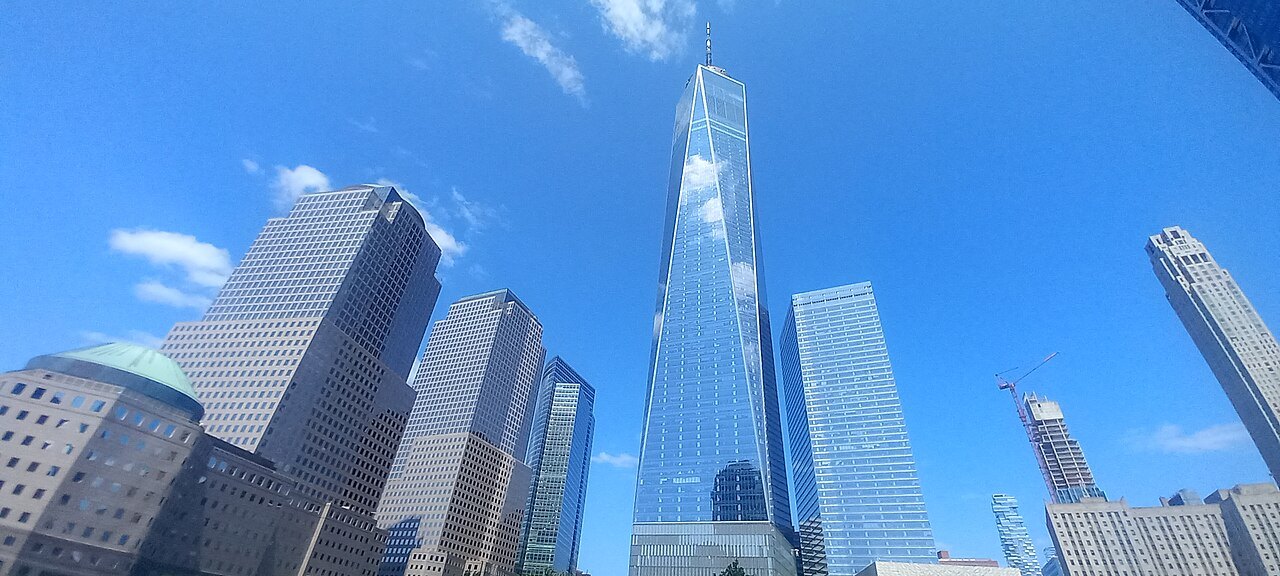
North of the pools, One World Trade Center rises to a symbolic height tied to the year of the Declaration of Independence, the tallest building in the country. Its observatory, on floors near the top, has its own ticket; east of the memorial, the white-ribbed Oculus covers the transit hub's PATH and subway entrances and a shopping mall below. Details on tickets for both are worth checking through Booking Ahead before arriving.
Visiting and Nearby
The plaza, pools and tree are free to enter from any side, without a ticket, every day. Several subway lines stop beneath the site, and Getting Around covers how to combine a visit here with other stops in Lower Manhattan on the same trip. The Oculus itself is one of the easiest landmarks in the area to arrange to meet someone at.
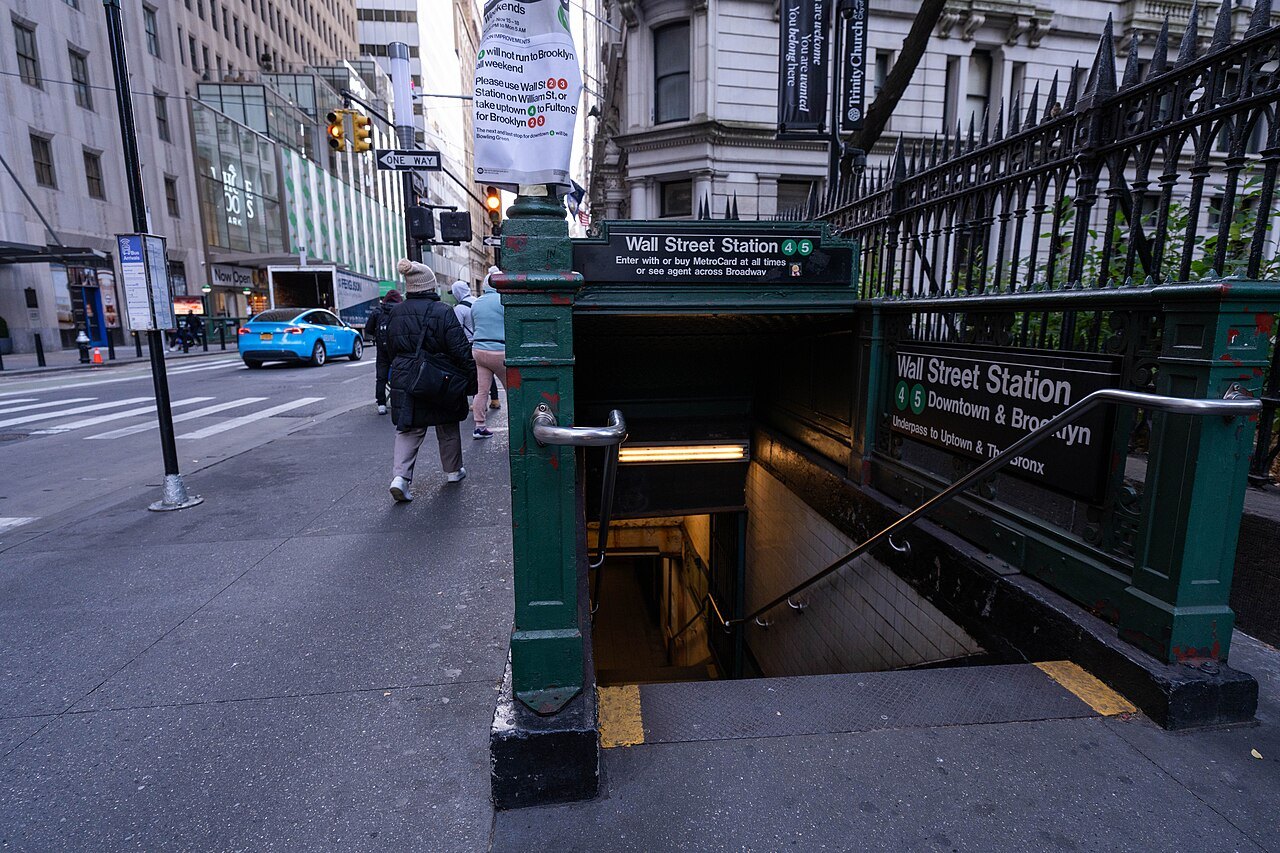
St. Paul's Chapel, which stood unharmed across the street during the attacks, is a short walk east on Broadway, with Wall Street and Trinity Church just beyond it. Both make a natural extension of a morning spent at the memorial, and the churchyard there has its own history worth a slower look.
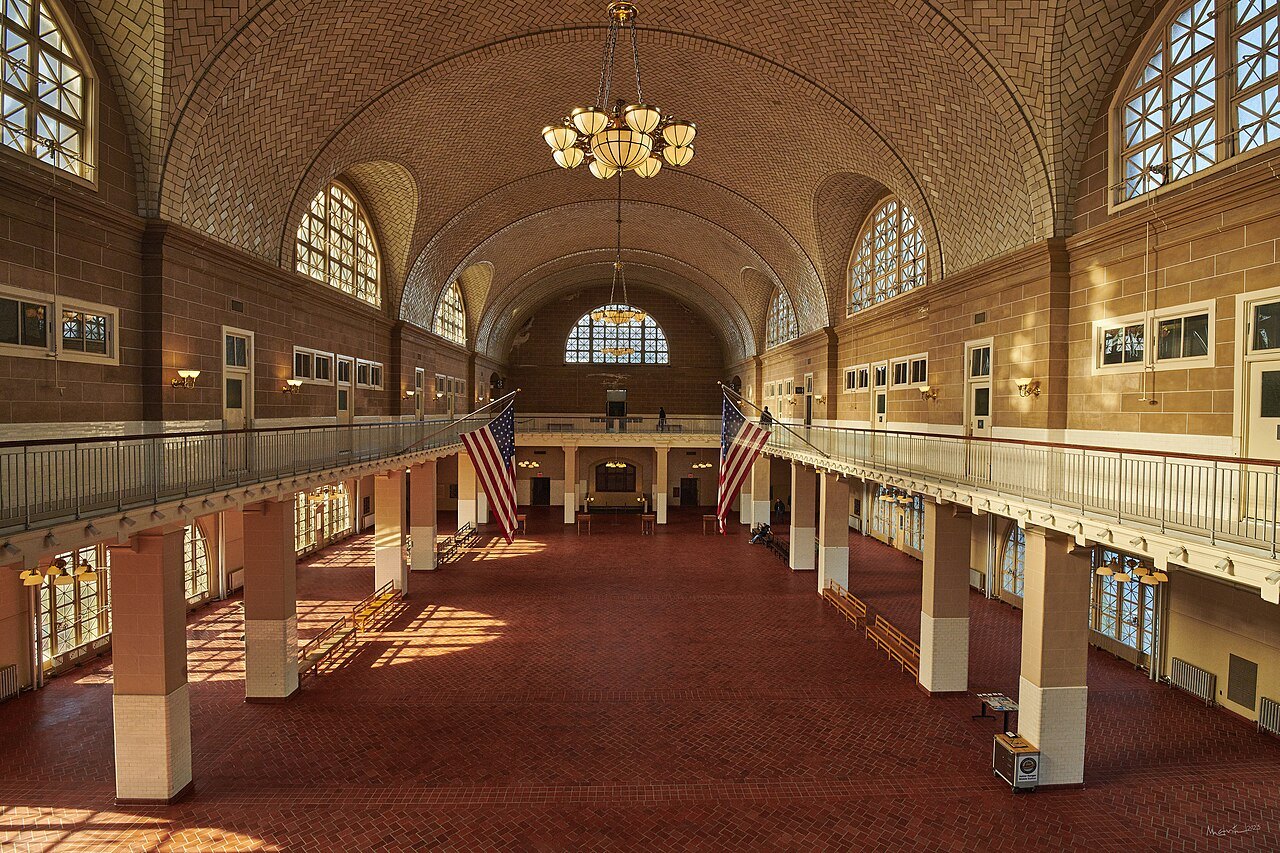
The Statue of Liberty ferries leave from the Battery, a short walk down the Hudson River promenade; see The Statue of Liberty and Ellis Island for how that visit is arranged. The southern end of the High Line is a subway ride north, for anyone continuing the day rather than ending it at the plaza.
Read next03
More from the journal
- Wall Street and Trinity ChurchWhat is left of Dutch New Amsterdam in Lower Manhattan?What survives of New Amsterdam along Wall Street, from a vanished wall to a park that outlived the fort beside it.Read the piece →
- Wall Street and Trinity ChurchWho is buried in the churchyard of Trinity Church?A guide to Trinity Churchyard, the burial ground beside Wall Street holding Alexander Hamilton, Robert Fulton and Albert Gallatin.Read the piece →
- Getting AroundHow does the New York subway work for visitors?The subway runs all night, takes a tap of your bank card or phone, and reaches nearly everything on this site. How the lines are named, which platform to choose, the difference between local and express, how the fare cap works, and what changes at night and on weekends.Read the piece →