INSIDE THE TENEMENT MUSEUM01
What can you see at the Tenement Museum on Orchard Street?
Two real tenement buildings on Orchard Street show how immigrant families actually lived on the Lower East Side.
The answer in full02
Read on
Two Tenements on Orchard Street
The Lower East Side Tenement Museum sits just across the Bowery from the old core of Chinatown, in two real tenement buildings at 97 and 103 Orchard Street. Neither building is a reconstruction: both held working immigrant families for decades, and the museum exists to show, through their actual rooms and stairwells, how New Yorkers once lived rather than how a textbook might summarize it.
The two buildings cover different stretches of the neighborhood's history. Ninety-seven Orchard Street held tenants from 1863 until 1935, while 103 Orchard Street was home to families from 1888 until 2015. Between them, the two addresses are estimated to have housed around fifteen thousand people, drawn from more than twenty nations, across more than a century of immigration into the Lower East Side.
When 97 Orchard Street went up, it held twenty-two separate apartments stacked above a basement saloon, a reminder of how densely this stretch of the Lower East Side was built and how many lives fit inside a single building footprint. That density, more than any single object on display, is part of what the museum sets out to convey to visitors today.
Rooms Restored to Different Eras
Inside, the museum has restored apartments and ground-floor shops to represent how particular families lived at different points across the building's history, rather than presenting one fixed version of the past. Rooms are furnished and arranged to reflect a specific decade and a specific household, so a single visit moves between distinct moments in the building's long history rather than settling on one frozen scene.
Because the two buildings were home to tenants from more than twenty nations over close to a century and a half, the restored interiors can reflect very different households: different languages, different trades, different decades of arrival. The result is less a single story of immigration than a sequence of them, set inside the same stairwells and the same narrow rooms.
The ground-floor shops matter as much as the apartments upstairs. Tenement buildings like these combined living quarters with small businesses on the street level, and the museum's restored storefronts are part of how it shows the Lower East Side as a working neighborhood of trade and labor, not only a collection of domestic scenes.
Tours, Interpreters and Food Walks
The restored apartments are seen only on guided tours, never wandered through freely. Some of those tours are led by costumed interpreters who play former residents of the building, speaking in character about the rooms and the decades on display, while others are led directly by museum staff explaining the history.
Beyond the two buildings, the museum also runs neighborhood walks and food tours of the surrounding streets, which extend the same approach outward into the blocks around Orchard Street: the apartments show how families lived indoors, while the walks and food tours show how the same people shopped, worked and ate in the wider neighborhood.
Because tours are guided and group sizes are limited by the layout of real apartments and stairwells, the reliable way to be sure of a place is to book ahead of a visit. The booking ahead page covers this museum alongside the other Manhattan sights where reserving in advance is worth the trouble.
Orchard Street and the Lower East Side
Orchard Street was the market street of the Lower East Side, lined with pushcarts and shopfronts serving the immigrant families packed into its tenements. Walking it today, among the old brick walk-ups with their iron fire escapes, is still described as the easiest way to picture how the neighborhood once worked, long before the Tenement Museum turned that picture into guided tours and restored rooms.
The street's name goes back further than the tenements. Before the city reached this far, the land belonged to James Delancey, whose pre-Revolutionary farm survives in the names Delancey Street and Orchard Street. Delancey began laying out streets here in the 1760s and planned a square in the style of London's West End, a plan abandoned after his loyalist family's land was confiscated following the Revolution.
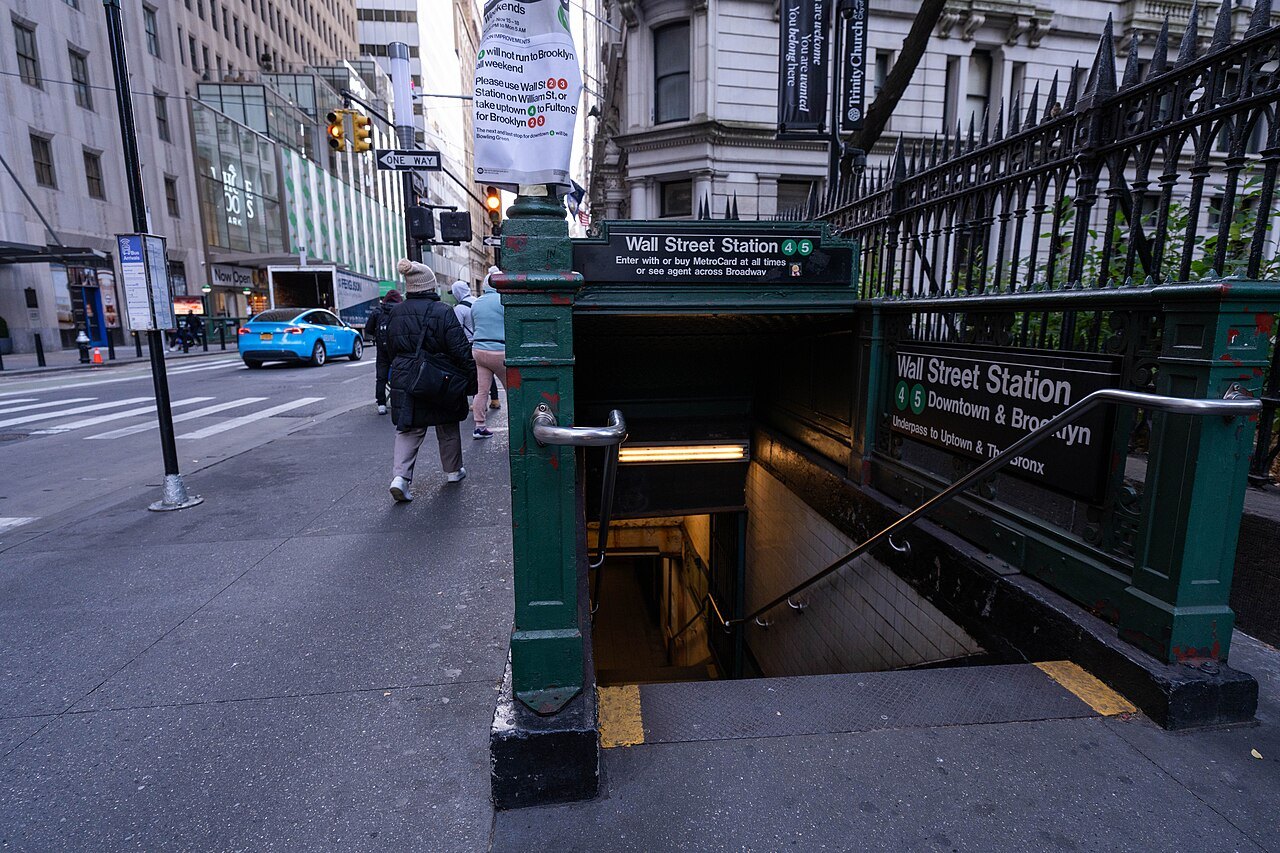
Once the confiscated land was replatted as a plain grid, the Lower East Side filled in quickly. Some of the first tenements in New York went up here in the 1830s, and by the end of the nineteenth century the district was packed with new arrivals from across Europe. After the Second World War it became the city's first racially integrated neighborhood.
Planning a Visit
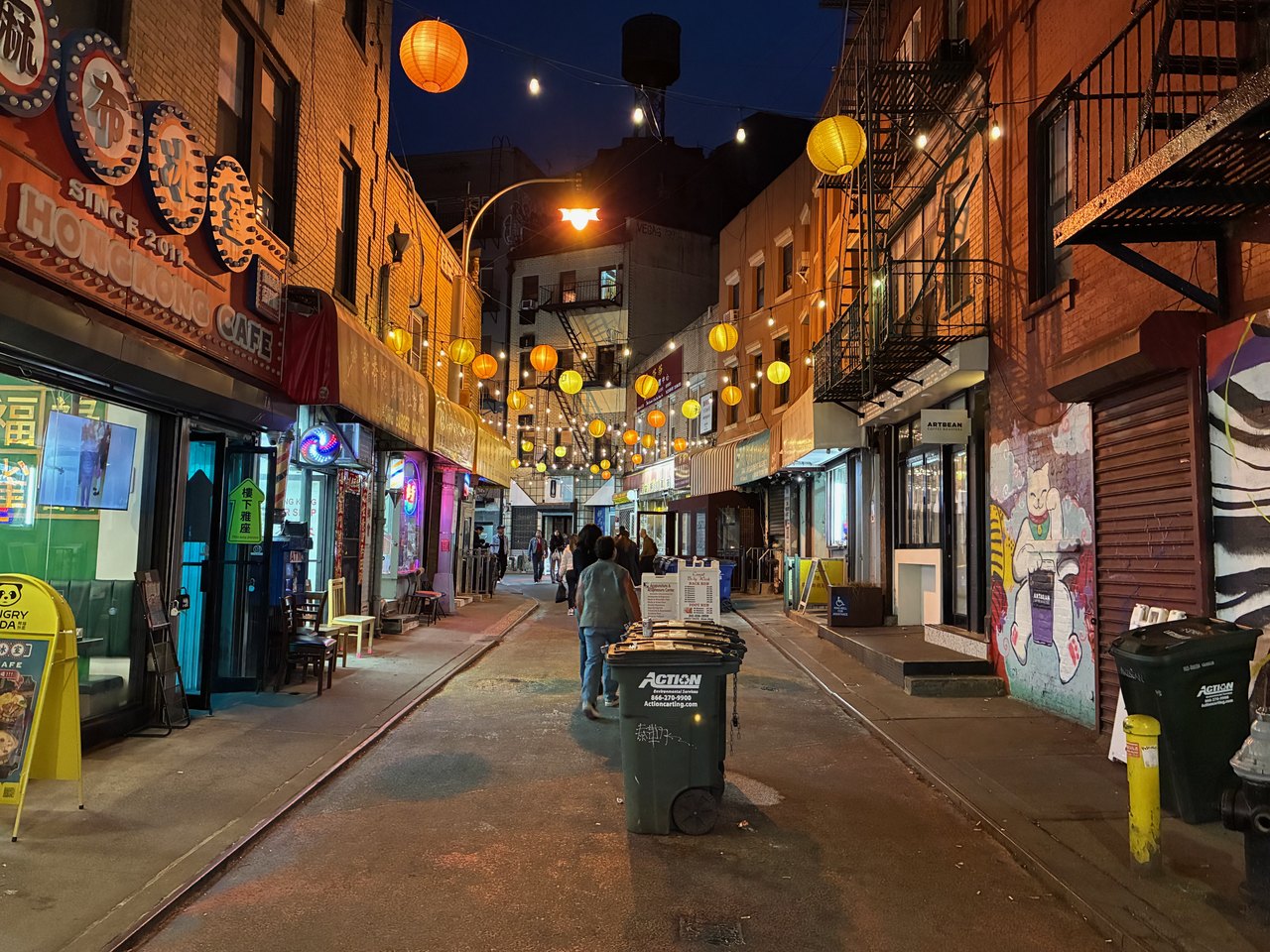
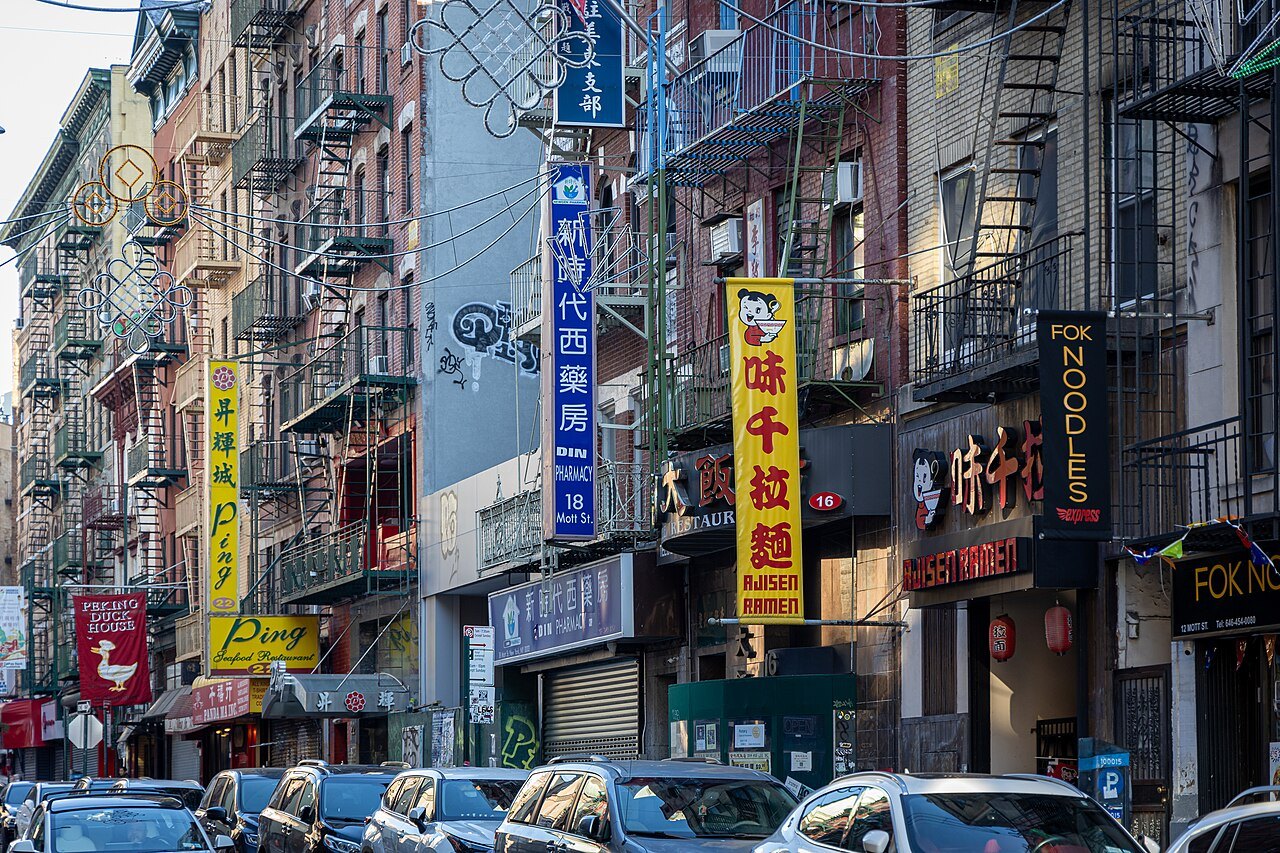
The Tenement Museum sits within easy walking distance of Chinatown's older streets, and the two are naturally seen together. A fair plan is to allow two or three hours in total: time for Mott, Pell and Doyers Streets and Columbus Park on the Chinatown side, then a crossing of the Bowery onto Orchard Street itself.
Wear comfortable shoes for the walk between the two neighborhoods. South of Houston Street the streets sit outside Manhattan's numbered grid, bending and meeting at odd angles rather than running in straight lines, which makes for an interesting walk but not always the most direct one, so allowing extra time is worth doing.
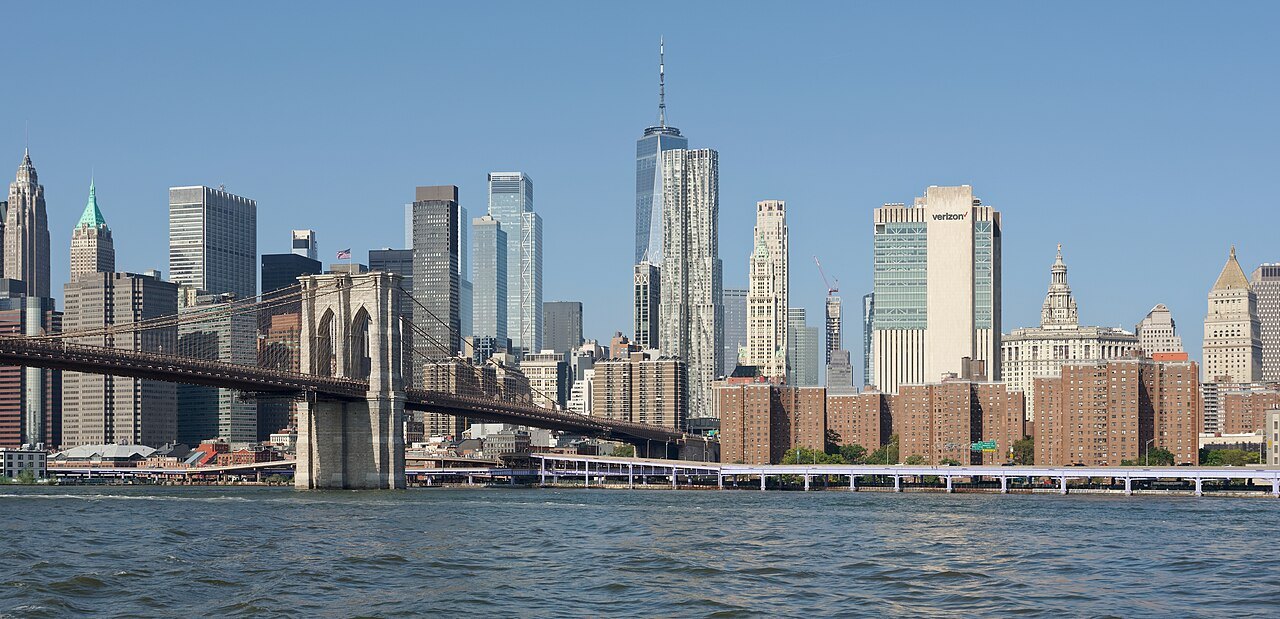
Because the apartments are only seen on guided tours with limited places, deciding which tour to take and reserving it ahead of arrival is worth doing before setting out for the day, rather than hoping to join one on the spot, particularly if a specific apartment or interpreter is the reason for the visit.
Nearby
Columbus Park, at the western edge of Chinatown, is a short walk from Orchard Street and worth folding into the same outing. It was built in 1897 over Mulberry Bend, once the center of the notorious Five Points slum, and remains the neighborhood's only park, busiest in the early morning when tai chi groups gather.
Food is as much a reason to come as history. Bakeries, dumpling shops and the delis of the Lower East Side cluster around Orchard Street and the blocks nearby, and eating and drinking covers what to look for on both sides of the Bowery, from Chinatown's greengrocers and fishmongers to the older delicatessens further north.
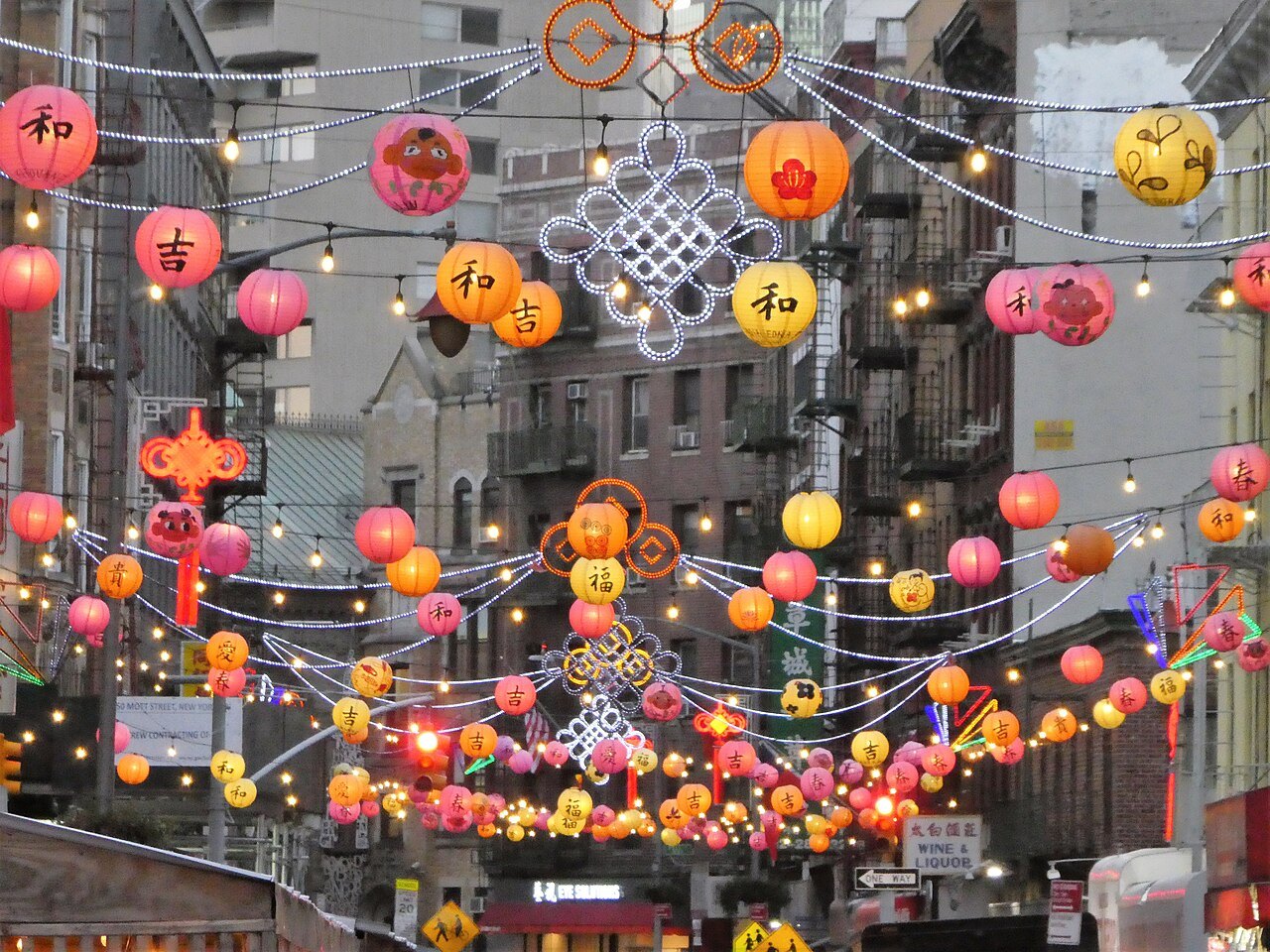
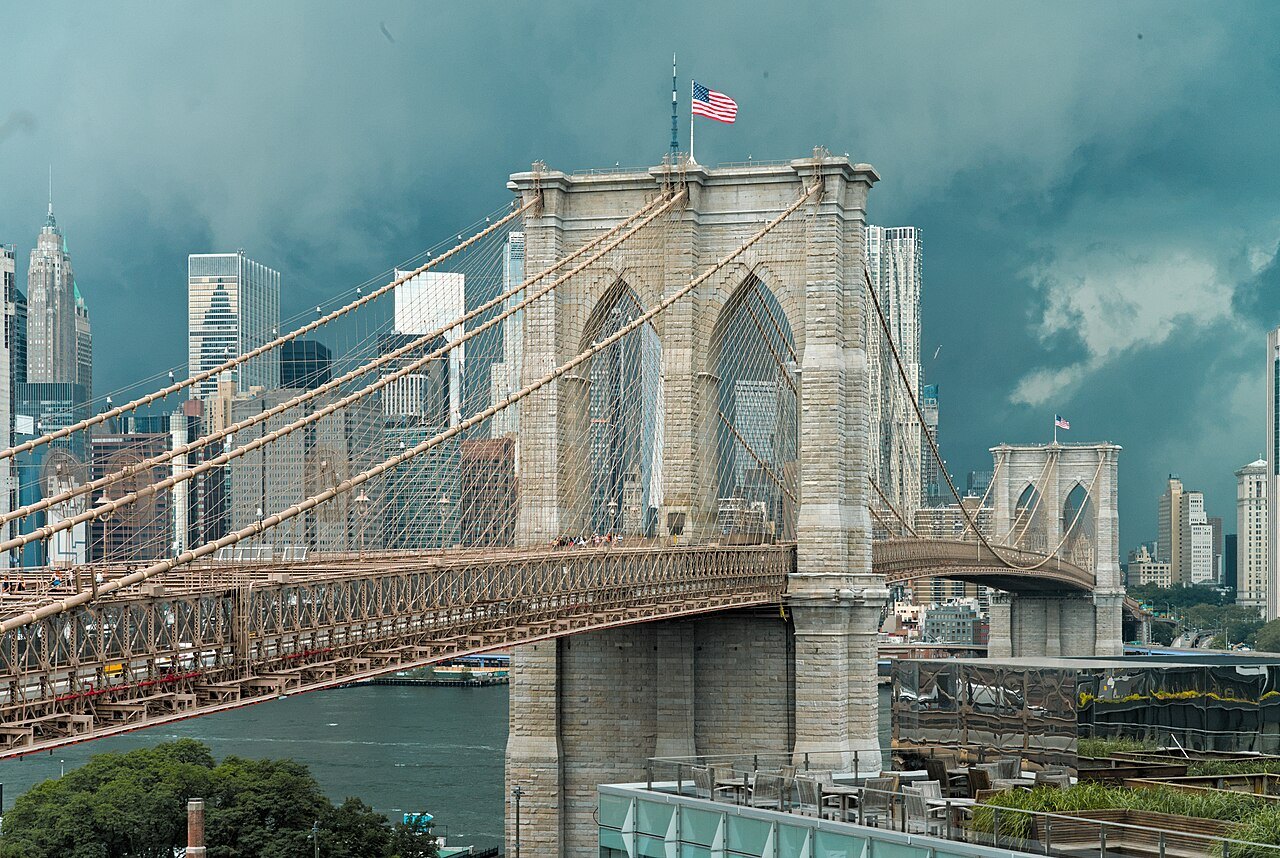
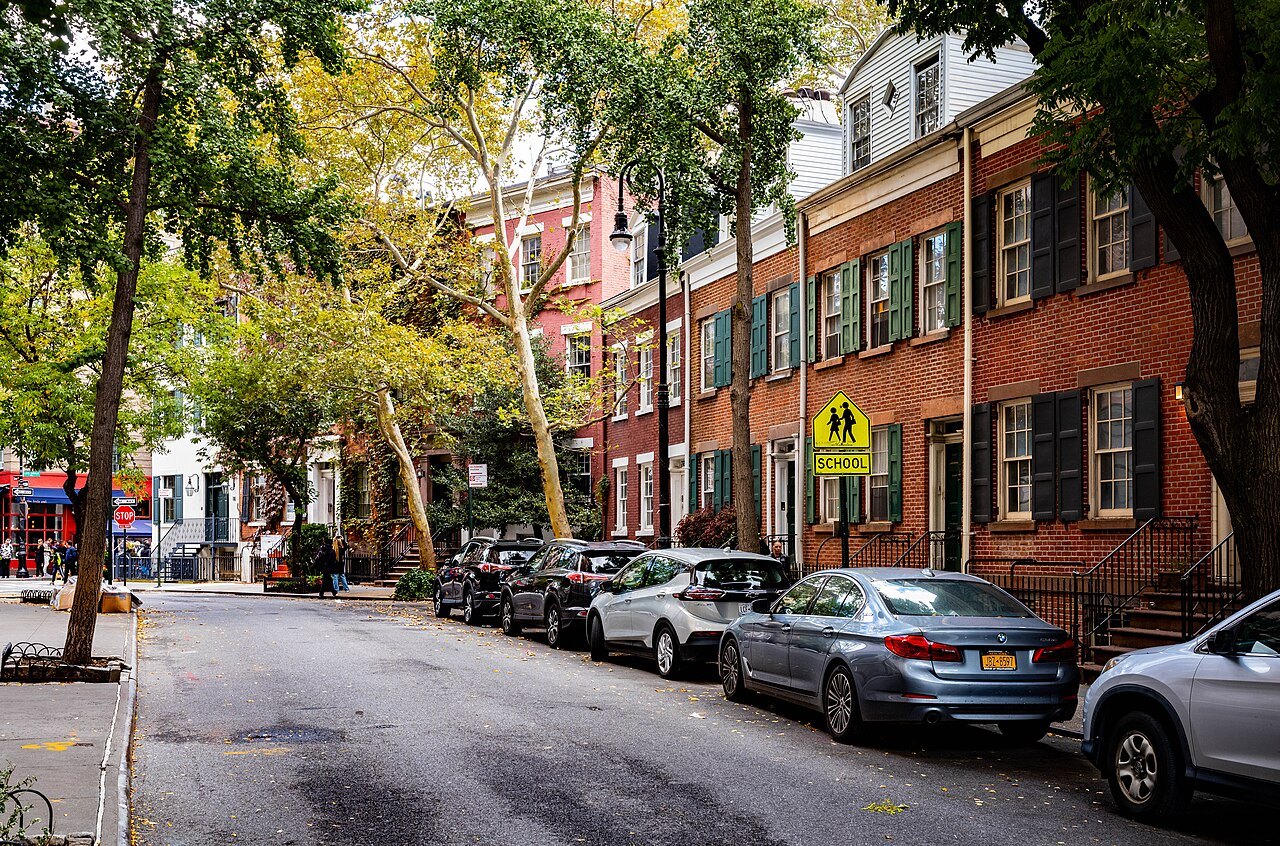
Other sights sit within easy reach. The walkway of the Brooklyn Bridge starts a few blocks south of Chatham Square, City Hall and the courts are just south of that, and the old streets of Greenwich Village lie a walk to the northwest across SoHo, making this corner of Manhattan a natural hinge between several very different parts of the island, easily combined into a single day on foot.
Read next03
More from the journal
- Chinatown and the Lower East SideHow did Manhattan's Chinatown grow up around Mott Street?How Manhattan's Chinatown took shape around Mott Street from the 1870s onward, block by block.Read the piece →
- The Statue of Liberty and Ellis IslandWhat was Ellis Island like for the immigrants who passed through it?What arriving immigrants faced at Ellis Island, from the Great Hall to medical checks, detention and myths about names.Read the piece →
- The Brooklyn BridgeCan you walk across the Brooklyn Bridge?Yes, on a raised promenade between the roadways that is now for people on foot alone. Which way to walk, where to start and finish, how long it takes, when it is least crowded, and what to do in Brooklyn at the far end.Read the piece →