BUILT IN THIRTEEN MONTHS01
How was the Empire State Building built in just over a year?
How a Depression-era race among three towers raised the Empire State Building in just over a year.
The answer in full02
Read on
A Three-Way Race
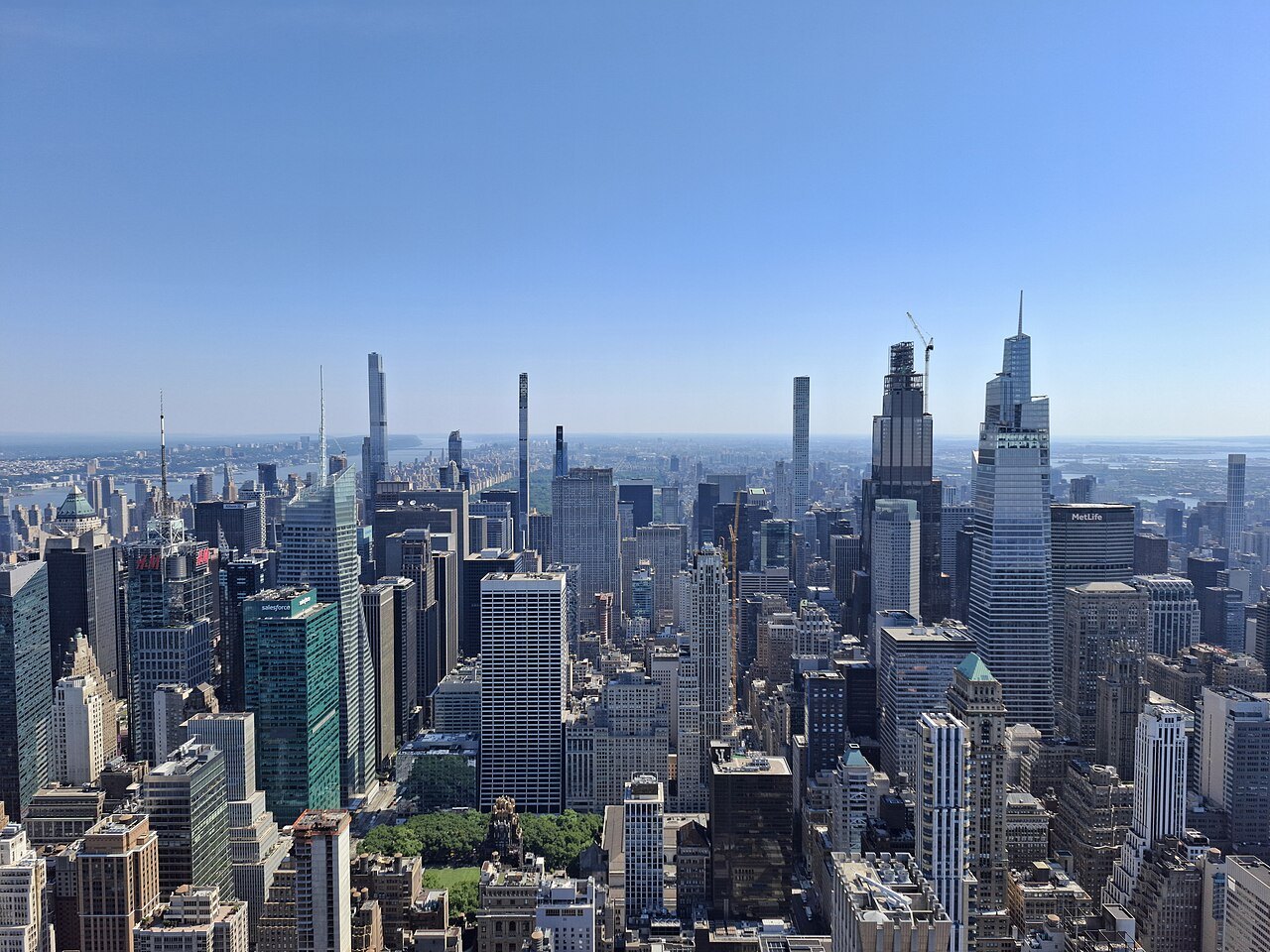
In the late nineteen-twenties, three towers in Manhattan were racing to become the tallest building in the world at the same moment: the Empire State Building, the Chrysler Building a mile to the north-east, and 40 Wall Street downtown. The Empire State Building rose on the west side of Fifth Avenue between 33rd and 34th Streets, on the site of the original Waldorf-Astoria Hotel, a location chosen for its presence in the heart of Midtown rather than for speed alone.
The architects, Shreve, Lamb and Harmon, designed the tower in the Art Deco style that defines so many New York skyscrapers of the era. Their plan called for a tall central shaft stepping back in stages from a five-story base to a narrow crown, a shape that let construction crews work steadily upward rather than wait for one single enormous structure to take shape all at once.
Construction began on March 17, 1930, and the building opened on May 1, 1931, thirteen and a half months later. That speed, achieved while two rival towers were rising nearby, became part of the building's legend almost as soon as the doors opened, and it is still the detail most visitors ask about first when they step off the elevator.
Built for Speed, Not Just Height
Part of the pace came from the stakes involved. Each of the three competing towers held, however briefly, hope of being named the tallest building in the world, and architects and builders on all three projects were watching the calendar as closely as the blueprints. That competitive pressure, as much as any single construction method, is usually credited with driving the unusually tight schedule of just over a year.
The resulting tower's design helped too. The tall, uninterrupted central shaft, faced in Indiana limestone and marked by vertical bands of nickel-chrome steel between the windows, repeats the same elements floor after floor instead of varying the plan at every level, a repetition that later writers on the building have pointed to when explaining how its crews could move upward so steadily.
Visitors who want the fuller story beyond dates and names can look to the exhibits added near the observatory entrance at 20 West 34th Street in 2019, which cover how the building was made and used across ten thousand square feet of displays, before the elevators even reach the first observation deck, filling in details that a short plaque outside cannot.
The Mast That Never Held an Airship
The building's spire was almost an afterthought. Plans drawn up in December 1929, three months before construction even began, added a metal crown and a mast to the top of the tower, a feature not part of the earlier design. It was intended as a mooring point where airships could tie up high above the street and let passengers climb down to the 102nd floor.
The idea failed almost at once. High winds around the tower's upper floors made it impossible for an airship to hold steady long enough to dock, and no passenger ever climbed down onto the building from a moored airship. The mast stayed anyway, and it now carries the broadcasting equipment that still crowns the tower today.
The mast is also why two different heights are often quoted for the building. The roof at the 102nd floor stands 1250 feet above the street, while the antenna at the top of the mast brings the total to 1454 feet, a detail worth knowing if a map or a guide gives a figure that looks unfamiliar.
Opening Into Hard Times
The building opened on May 1, 1931, in the depths of the Great Depression, and the timing undid much of the advantage of finishing so quickly. Office space across the city sat empty, and the Empire State Building was no exception: for years after it opened, floor after floor of the brand-new tower stood untenanted while the city around it struggled.
The building's owners did not turn a profit on it until the early 1950s, after the Depression and then the Second World War had both passed. The speed of construction had been a triumph of engineering and scheduling, but it did not translate into early financial success for the people who had paid to build it.
The building outlasted that slow start. It held the title of tallest building in the world for nearly forty years, until the North Tower of the World Trade Center topped out in 1970, and it has been one of the most recognizable buildings on screen since King Kong climbed it in 1933.
What the Rush Left to See
Walk a few blocks away, down Fifth Avenue or over to Madison Square, and the shape that let the building rise so fast is easy to read: a five-story base stepping back in stages to a tall central shaft and then to the crown, each stage simple enough to repeat without redesigning as the tower climbed. Close up, the setbacks hide the top entirely.
The pale blond facade is Indiana limestone, with windows set in vertical bands between strips of nickel-chrome steel, a pattern that draws the eye straight upward and reads, from any distance, as a bundle of lines rather than a flat wall. It is this regular pattern, more than any single decoration, that marks the tower as a child of its hurried construction.
Inside the Fifth Avenue lobby, used by office tenants rather than observatory visitors, an aluminum relief at the west end shows the tower as it was first built, without the antenna added later, a reminder of how much the profile has changed since 1931. Until the 1960s the lobby ceiling also carried an Art Deco mural of the sky and the machine age.
Seeing It for Yourself
Visitors heading up to the observatories use a separate entrance at 20 West 34th Street, not the tenants' lobby on Fifth Avenue, and since 2019 the route up has passed through exhibits covering the building's construction and history. Booking ahead for a timed entry, as the building itself recommends, saves standing in line and leaves more of the day free for everything else nearby.
The 86th-floor observatory has an enclosed gallery and an open-air terrace that runs all the way around the building, so it stays usable regardless of weather, while the smaller 102nd-floor observatory sits at the foot of the old mooring mast, with windows on every side. A third, indoor deck is on the 80th floor.
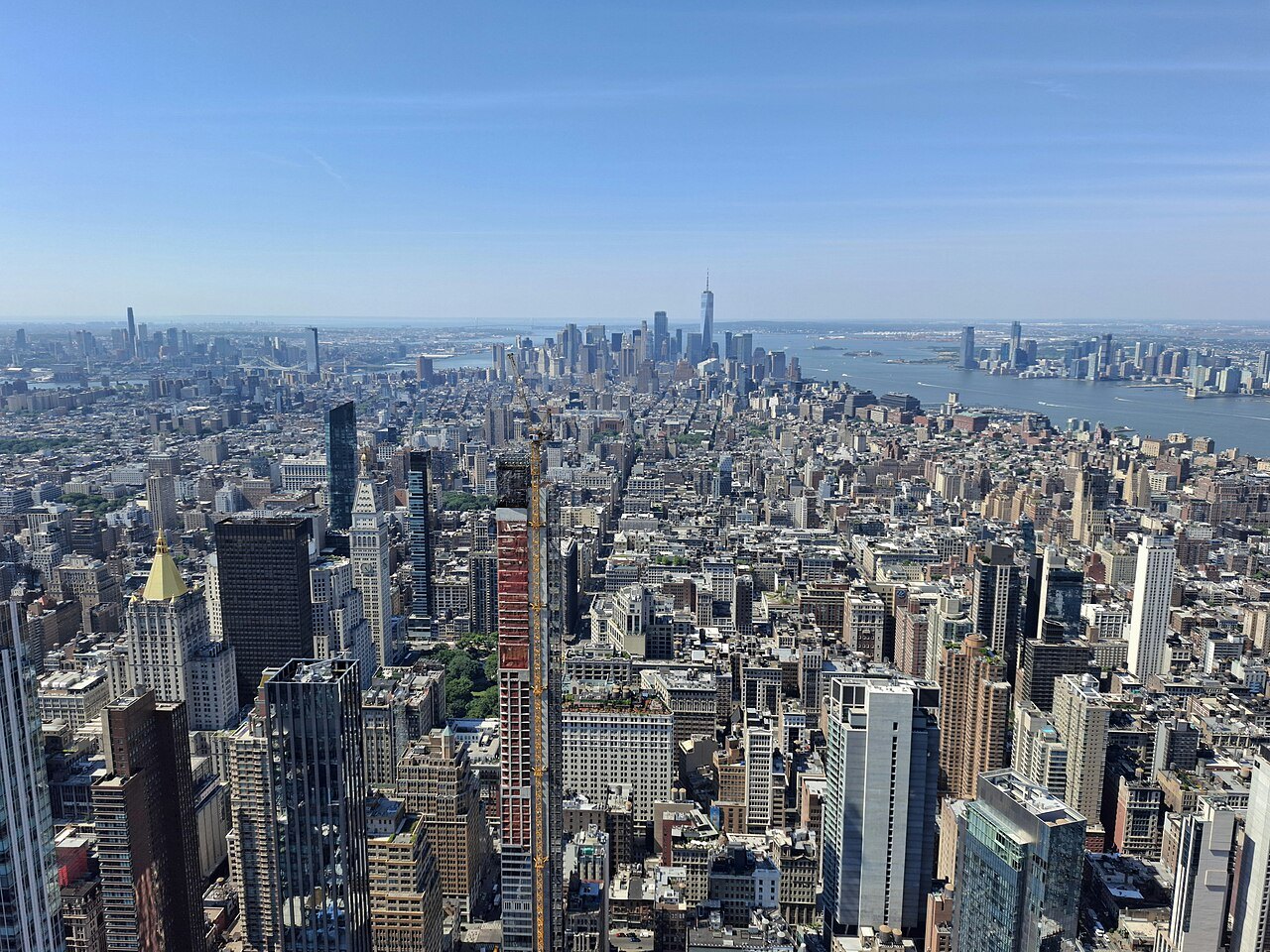
The tower itself is often best appreciated from outside it: from Madison Square to the south, from the far ends of 34th Street, or from other viewpoints across the city, including the Chrysler Building, its old rival in the race to be tallest. Several subway lines stop a block away at Herald Square.
Read next03
More from the journal
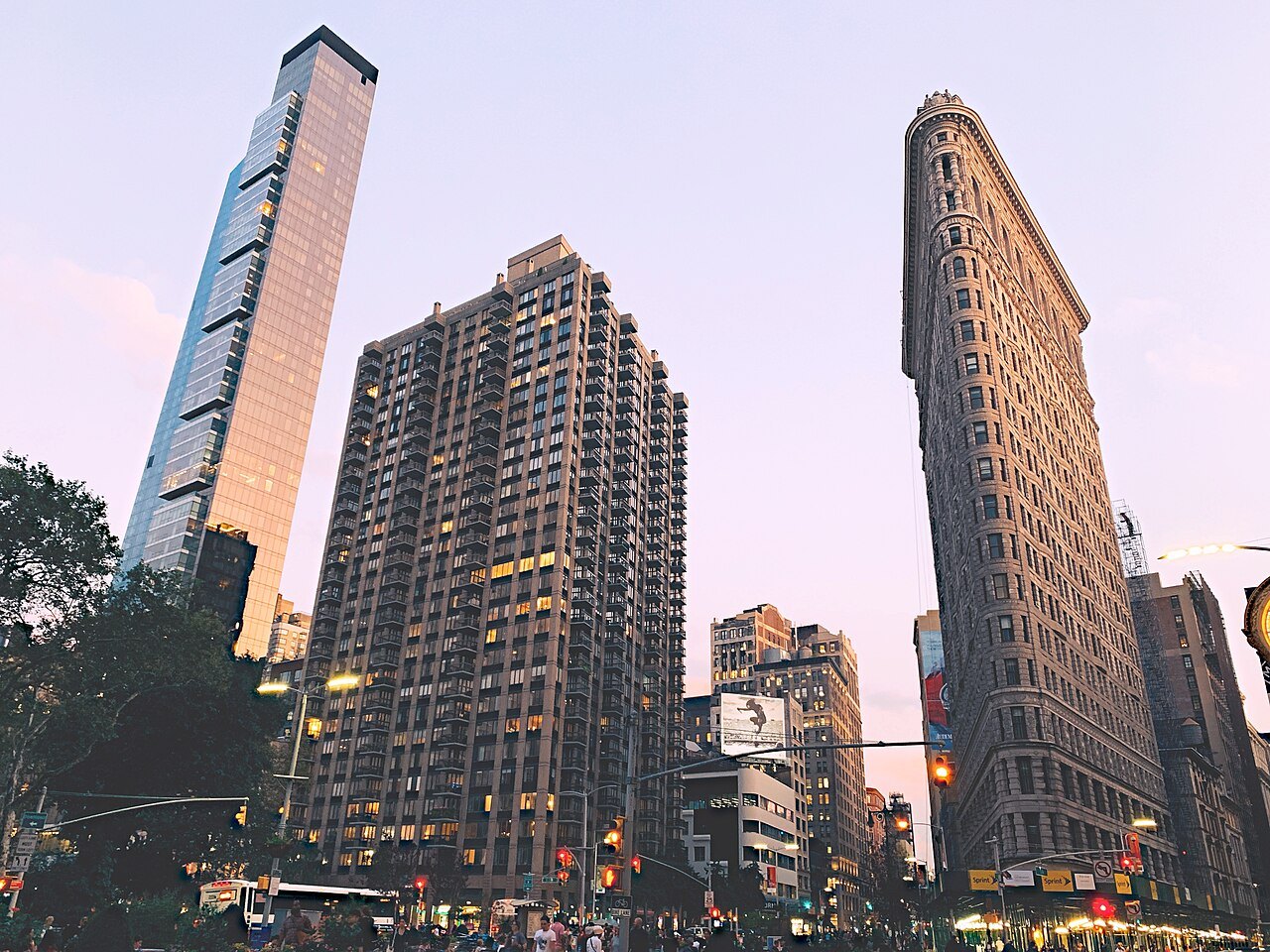
- The Flatiron Building and Madison SquareWhy is the Flatiron Building shaped like a wedge?Why Broadway's diagonal cut across the grid left a wedge of land at 23rd Street, and how the Flatiron Building filled it.Read the piece →
- Getting HereWhat happened to the old Penn Station?New York once had a railroad station modeled on the baths of ancient Rome. Why it was torn down in the 1960s, where its sculptures went, how its loss saved Grand Central, and where you can still feel something of it today.Read the piece →
- The Brooklyn BridgeCan you walk across the Brooklyn Bridge?Yes, on a raised promenade between the roadways that is now for people on foot alone. Which way to walk, where to start and finish, how long it takes, when it is least crowded, and what to do in Brooklyn at the far end.Read the piece →