A FREE CROSSING OF THE HARBOR01
How do you ride the Staten Island Ferry?
A straightforward guide to boarding the free Staten Island Ferry from Manhattan's southern tip.
The answer in full02
Read on
A free crossing of the harbor
The Staten Island Ferry is the best free ride in the city, carrying passengers across New York Harbor between the southern tip of Manhattan and Staten Island. Boats leave from the Whitehall Terminal day and night, and the crossing takes about twenty-five minutes each way, with wide windows and an open deck for watching the water. No ticket or reservation is required to step aboard.
The ferry has been fare-free since 1997, a rare bargain in a city where almost everything else comes with a charge. It began long before that as a working link across the harbor, and it still carries daily commuters, but many visitors ride it purely for the view, since no fare machine or turnstile stands between the terminal and the boat on either side of the crossing.
The boat does not stop at the Statue of Liberty itself; it passes within clear view of the statue but continues straight on to Staten Island. Visitors who want to land on Liberty Island or Ellis Island need the separate ferry described on the Statue of Liberty page, which docks at both islands and requires a ticket bought in advance.
Some links on this page are affiliate links. If you book through one we may earn a commission, at no extra cost to you. It does not affect what is recommended here, and no sight page on this site carries one.
Somewhere to leave a suitcase between check-out and a late flight.
Reaching Whitehall Terminal
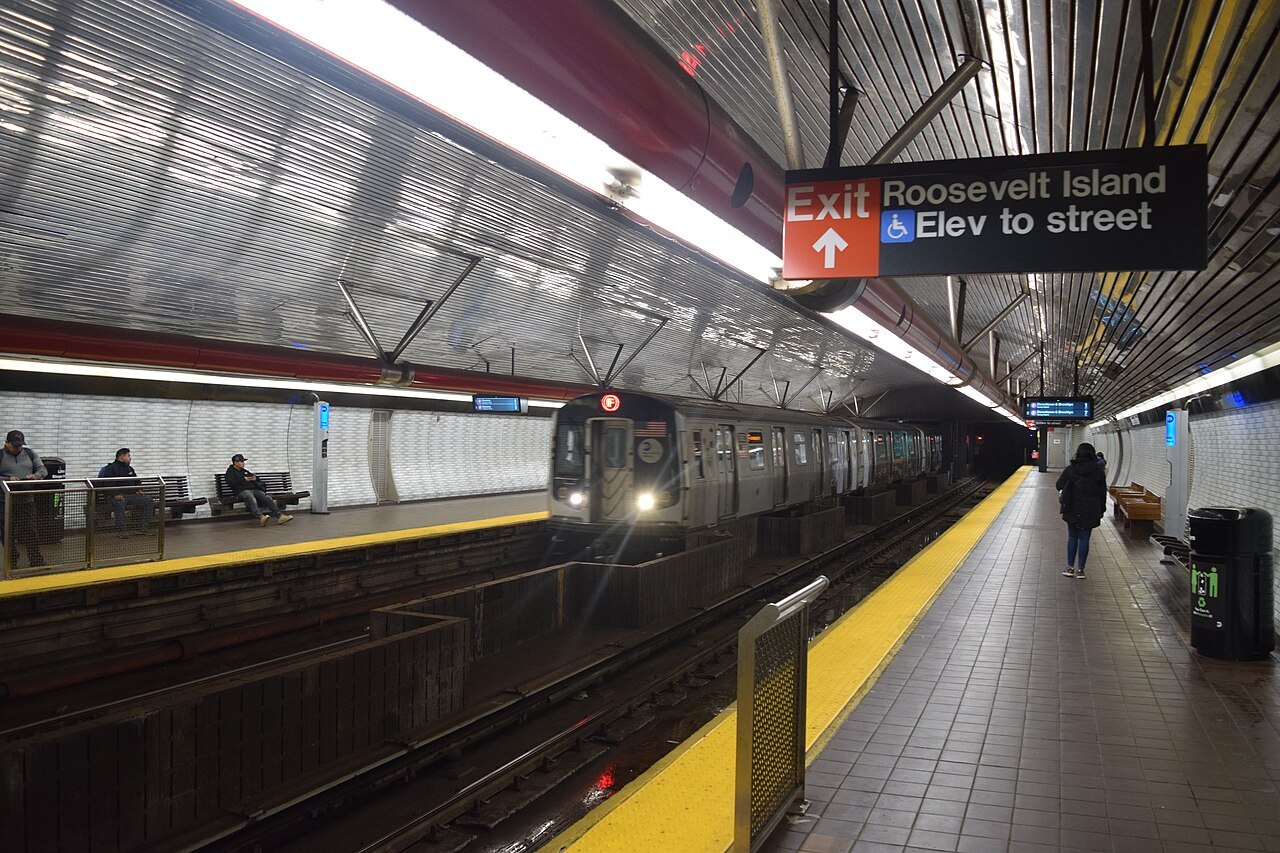
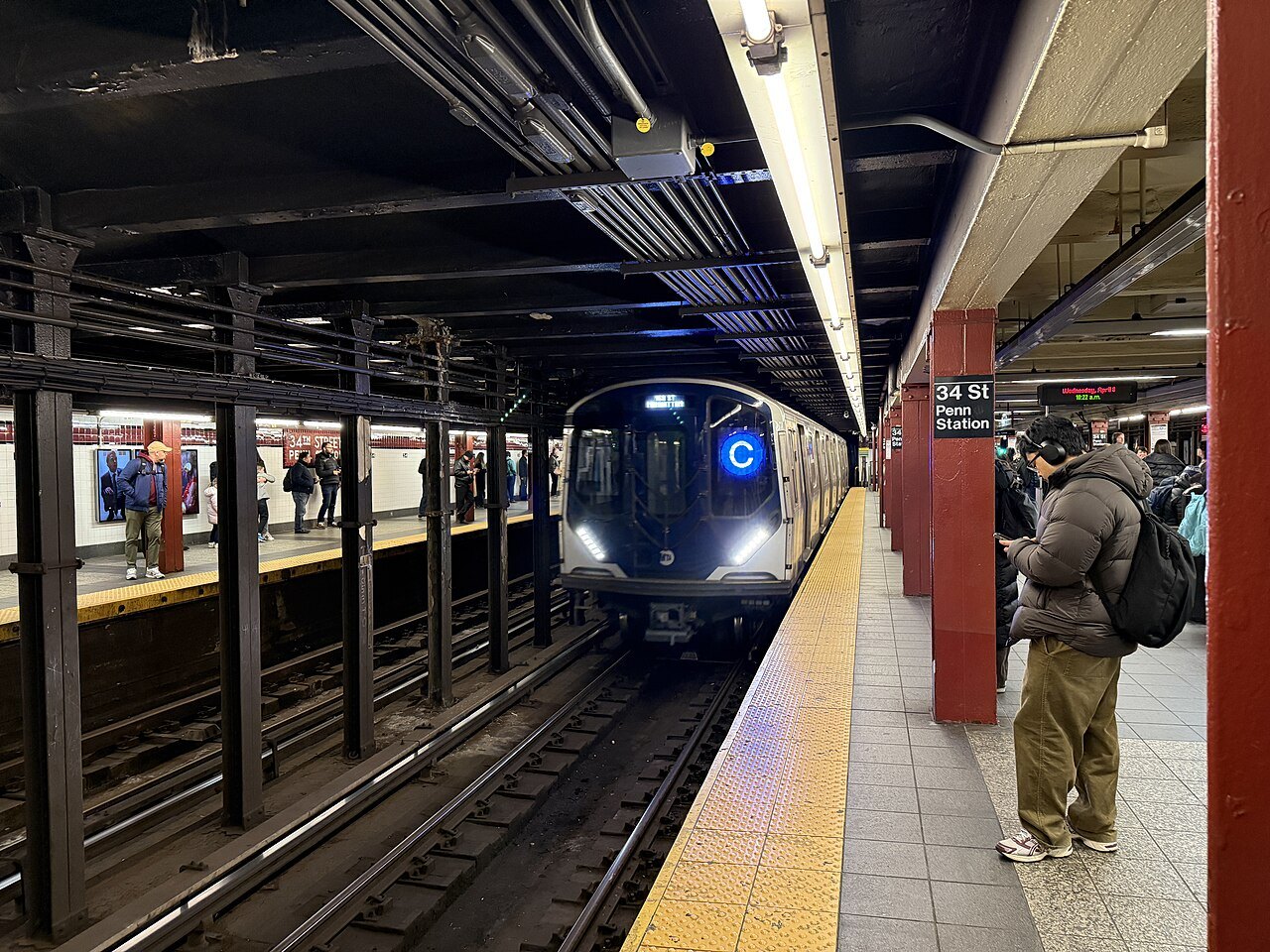
The terminal sits at the very southern point of Manhattan, beyond the Battery and the Financial District, where the island narrows to its tip. Several subway routes serve this part of the city, within an easy walk of the terminal, and the approach is short and flat, part of the waterfront that marks the end of the grid of streets further north.
Walking down from the Financial District, through the area covered on the Wall Street page, takes only a few minutes and passes some of the oldest streets on the island. Battery Park, with its views over the harbor, sits right beside the terminal, so arriving early to sit and watch the boats come and go costs nothing at all.
Signs inside the terminal mark the way to the boarding area. No separate fare gate stands between the terminal and the boat, since the ferry runs free in both directions. Checking the next departure with staff at the terminal is worthwhile, since boats leave at a steady pace rather than to a published timetable.
Lower Manhattan's streets near the terminal predate the numbered grid further north, so street names rather than numbers are the guide here; following signs toward the water is the simplest way to find the entrance, especially for visitors arriving from different directions across the Financial District, where street numbers give way to historic names close to the water.
Boarding and the crossing
Boats board through wide doors once a departure is called, and passengers choose a seat freely, on the open deck, in a covered cabin, or by the windows on either side. Seating is not assigned, so a departure can be joined at short notice, which is part of what makes the ferry such an easy way to see the harbor without planning ahead.
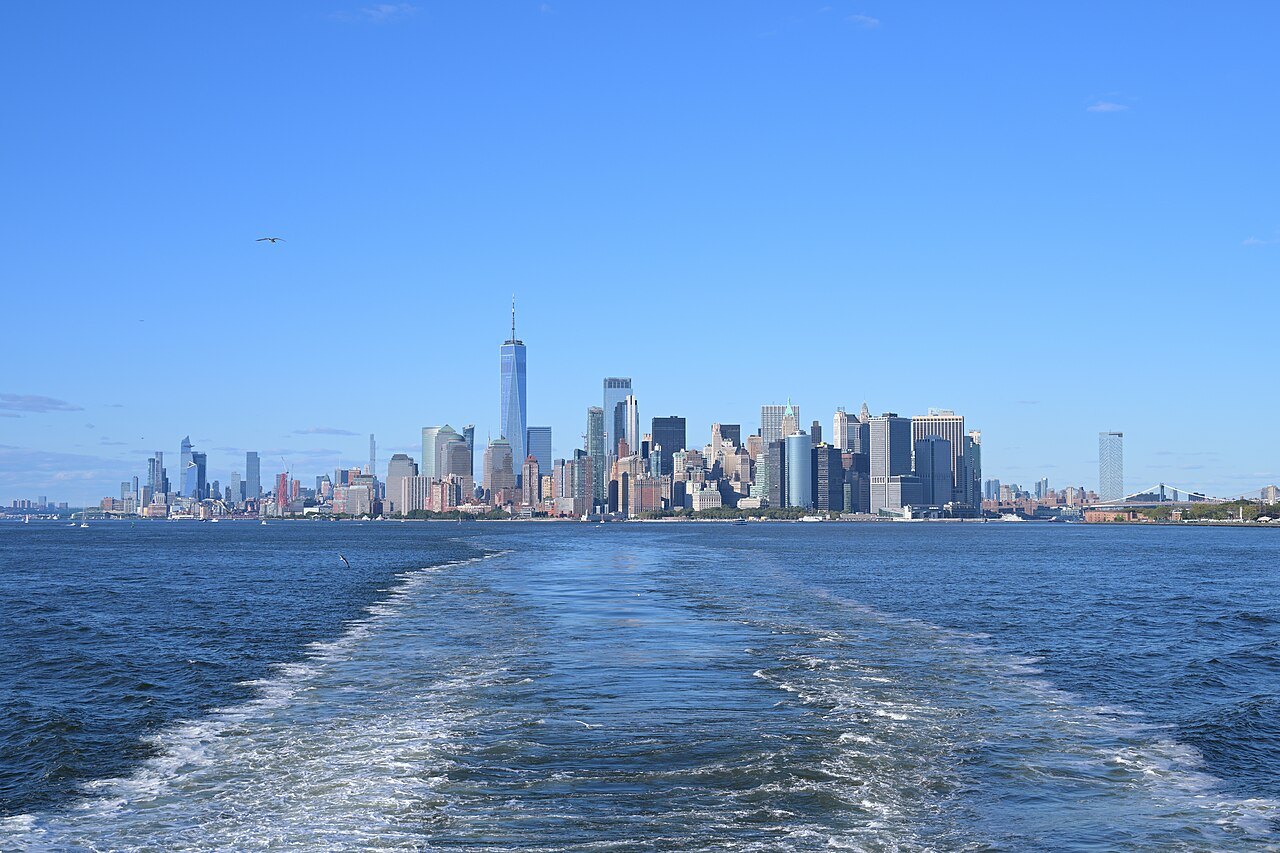
The open deck at the front and back of the boat gives the clearest view and the strongest wind, while the enclosed cabin offers seating out of the weather with windows on both sides. Either way, the Statue of Liberty appears on one side of the boat and the skyline of Lower Manhattan on the other, so moving between the two is worth doing during the short crossing.
The crossing itself takes about twenty-five minutes, enough time to watch the Manhattan shoreline recede and the Statue of Liberty come into view, without the trip ever feeling long. Boats run day and night, so an evening or late crossing shows the same harbor under a different light, with the skyline lit up behind the water.
What to look for on the way
The Statue of Liberty stands on its own island partway across the harbor, and the ferry passes close enough for a clear view of the full statue, torch and all, without the boat ever docking there. Ellis Island lies nearby, with its brick immigration building visible from the same side of the boat.
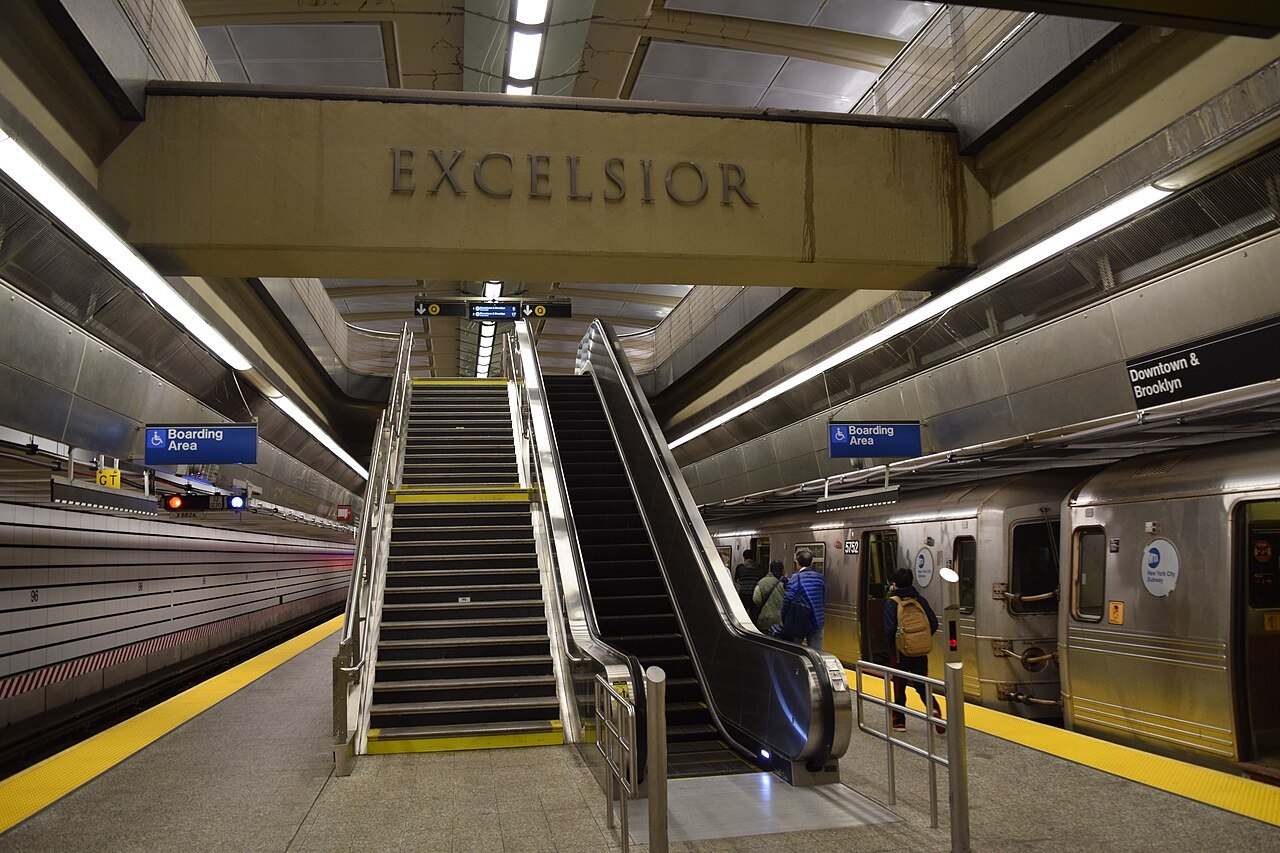
Behind the boat, the skyline of Lower Manhattan fills the view, anchored by the towers at the World Trade Center site and the older spires of the Financial District. Governors Island, a low green shape between Manhattan and Brooklyn, sits in the same stretch of water and is visible from the deck as the boat clears the harbor.
On the return trip the same landmarks appear in reverse order, with Manhattan growing larger as the boat approaches Whitehall Terminal. Photographs taken from the open deck, rather than through the cabin windows, tend to come out clearer, though the wind on the open deck can be strong even on a calm day.
Staten Island and the trip back
Boats dock at the terminal on the Staten Island side of the harbor, where passengers can step off, walk around the terminal area, and board a later boat back to Manhattan without buying anything new, since the return crossing is free as well. Staying aboard for the full round trip without stepping onto the island is also an option many visitors choose.
Visitors who want to see more of the borough can treat the crossing as the start of a longer outing, among the day trips that leave Manhattan by water. Checking the current boat schedule with the ferry operator before setting out is worthwhile, since departures are frequent but not fixed to a single published timetable.
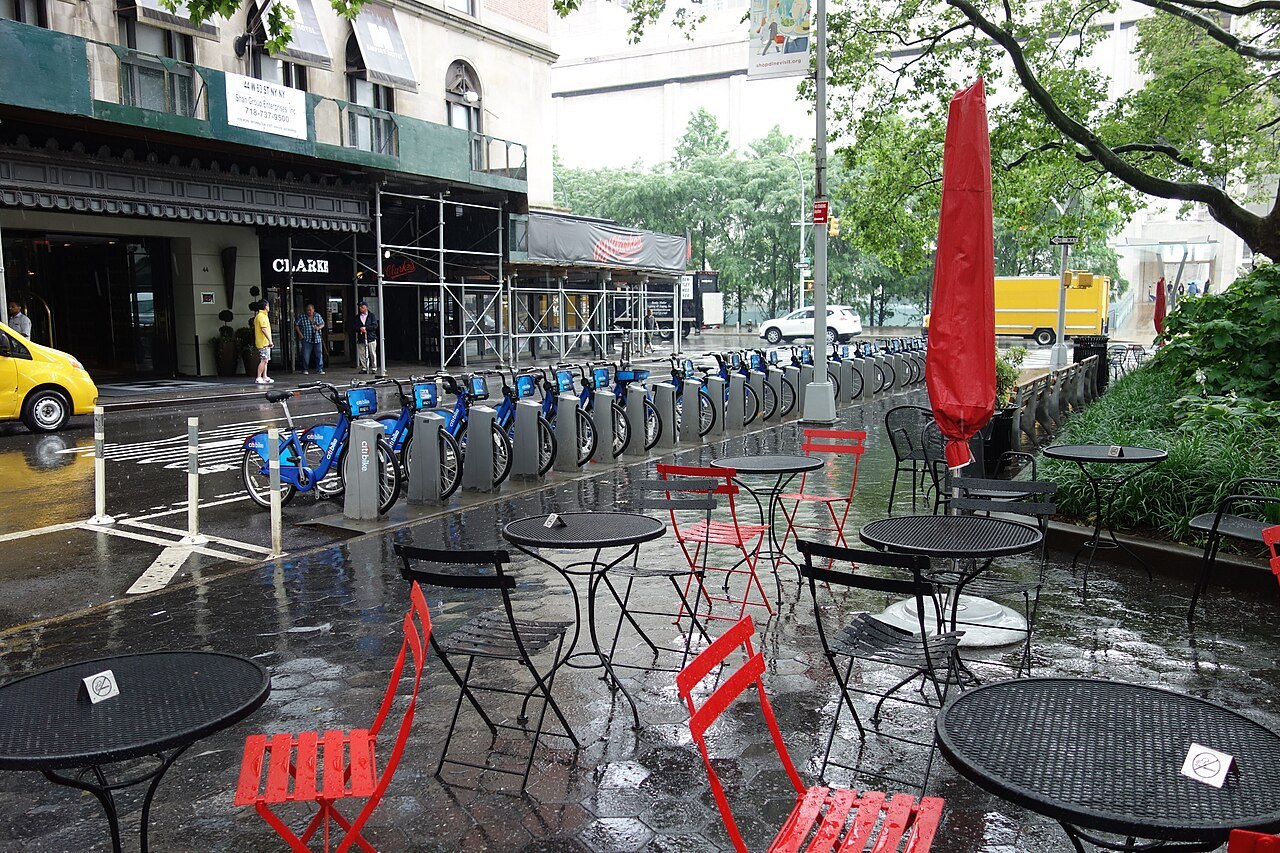
No booking is needed for the return trip, since boats run continuously in both directions through the day and into the night. Arriving on the Staten Island side without a fixed boat in mind, and simply boarding the next available crossing, is the easiest approach for most visitors, and arriving a little early costs only a short wait at the rail.
Practical points for visitors
The ferry does not use OMNY or any other fare card, unlike the subway, buses and tram used elsewhere on the island; nothing is tapped or scanned to board. That makes it one of the few rides in the city where cost is never a question, whether the rider is passing through for an afternoon or crossing every day.
Dress for wind and spray, especially on the open deck, since the boat moves quickly once clear of the terminal and the harbor is often breezier than the surrounding streets. A jacket that blocks wind is more useful than one meant only for rain, even on a clear day, since the open water carries more of a breeze than the streets behind it.
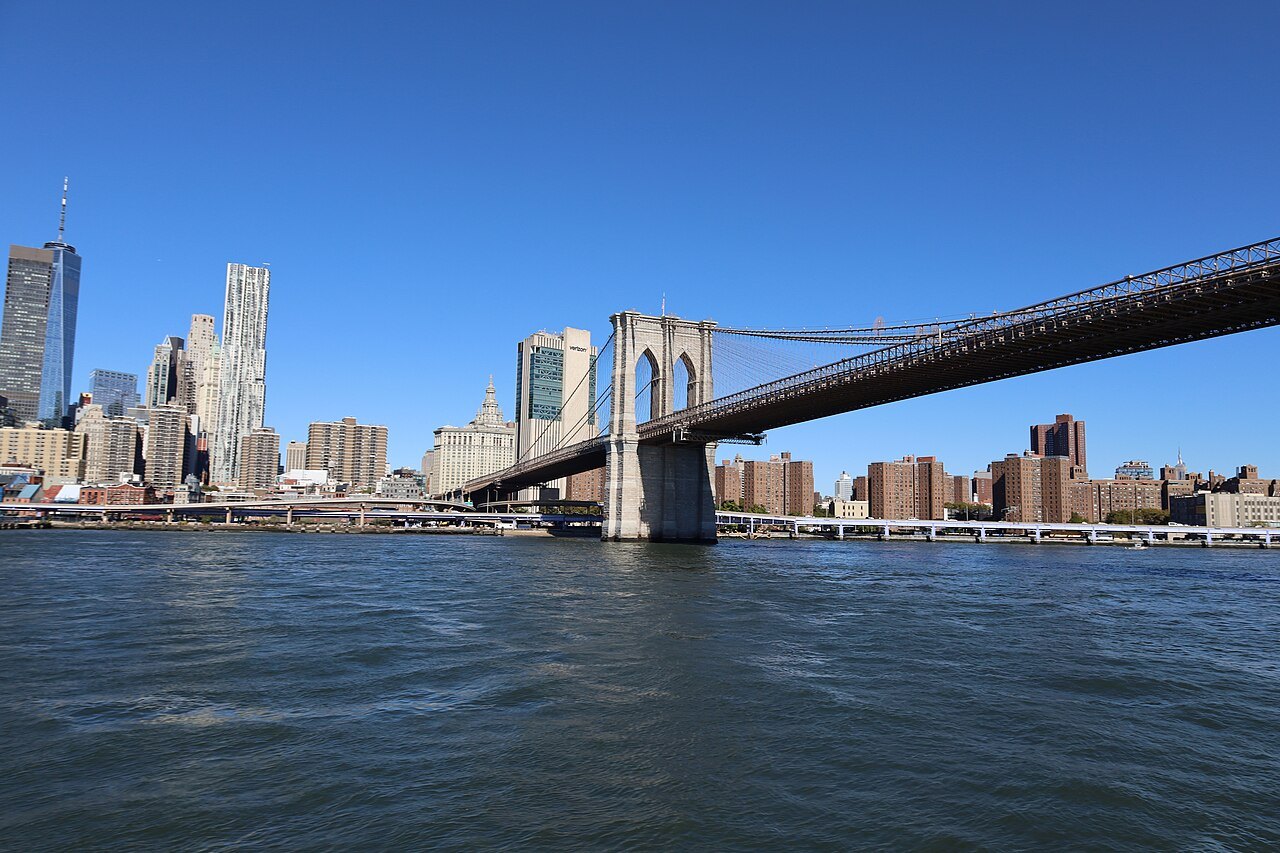
For any question about current schedules, service changes or terminal conditions, the ferry operator is the right source to check before traveling, since notices posted in the terminal are updated more often than any guidebook. The same applies to safety concerns on the waterfront, where police can be reached by calling 911 in an emergency, or 311 for non-urgent city matters.
Read next03
More from the journal
- The Statue of Liberty and Ellis IslandHow do you visit the Statue of Liberty and Ellis Island?Every visitor travels on the same ferry, sold by one company. Which of the three tickets you need, why the crown sells out, how security works, how long to allow, and how to fit Ellis Island into the same day.Read the piece →
- Wall Street and Trinity ChurchWhat is left of Dutch New Amsterdam in Lower Manhattan?What survives of New Amsterdam along Wall Street, from a vanished wall to a park that outlived the fort beside it.Read the piece →
- Getting AroundHow does the New York subway work for visitors?The subway runs all night, takes a tap of your bank card or phone, and reaches nearly everything on this site. How the lines are named, which platform to choose, the difference between local and express, how the fare cap works, and what changes at night and on weekends.Read the piece →